


| AiP74LVC244は、3ステート出力を備えた8ビット非反転バッファ/ラインドライバです。3ステート出力は、出力イネーブル入力1OE(—)と2OE(—)によって制御されます。nOE(—)がHIGHになると、出力は高インピーダンスのOFF状態になります。すべての入力でシュミットトリガ動作が採用されているため、入力の立ち上がり時間と立ち下がり時間が遅い場合でも、回路は高い耐性を持ちます。 入力は3.3Vまたは5.0Vのデバイスから駆動できます。3ステート動作では、出力は5Vに対応できます。これらの機能により、これらのデバイスは3.3Vと5Vが混在する環境でトランスレータとして使用できます。 |
PN :
AiP74LVC244説明 :
Octal Buffer/Line Driver; 3-state電圧範囲 :
1.2~5.5Vピンの数 :
20パッケージ :
SOP20 /TSSOP20 /DHVQFN205Vロジックとのインターフェースのための5V耐性入出力
1.2V~3.6Vの広い電源電圧範囲
CMOS低消費電力
TTLレベルとの直接インターフェース
入力電圧は最大5.5Vまで対応します。
VCC=0Vのときに高インピーダンス
包装情報:SOP20/TSSOP20/DHVQFN20
AiP74AVC16T245は、双方向レベル電圧変換と3ステート出力を備えた16ビットトランシーバです。このデバイスは、2つの8ビットトランシーバとして、または1つの16ビットトランシーバとして使用できます。電圧変換用のデュアル電源(VCC(A)とVCC(B))と、方向制御用の出力イネーブル(n)と送受信(nDIR)入力を備えた4つの8ビット入出力ポート(nAnとnBn)があります。VCC(A)とVCC(B)は、0.8V~3.6Vの任意の電圧で独立して供給できるため、このデバイスは、0.8V、1.2V、1.5V、1.8V、2.5V、3.3Vのいずれかの電圧間の低電圧変換に適しています。nDIRがHIGHの場合、nAnからnBnへの送信が選択され、nDIRがLOWの場合、nBnからnAnへの送信が選択されます。 nがHIGHになると、出力は高インピーダンスのOFF状態になります。本デバイスは、IOFFを使用した部分的な電源オフアプリケーション向けに完全に仕様が定められています。IOFF回路は出力を無効にし、電源オフ時にデバイスを介した有害な逆流電流を防ぎます。サスペンドモードでは、VCC(A)またはVCC(B)のいずれかがGNDレベルの場合、nAnとnBnの両方が高インピーダンスのOFF状態になります。
詳細
AiP74AVC16T245は、双方向レベル電圧変換と3ステート出力を備えた16ビットトランシーバです。このデバイスは、2つの8ビットトランシーバとして、または1つの16ビットトランシーバとして使用できます。電圧変換用のデュアル電源(VCC(A)とVCC(B))と、方向制御用の出力イネーブル(n)と送受信(nDIR)入力を備えた4つの8ビット入出力ポート(nAnとnBn)があります。VCC(A)とVCC(B)は、0.8V~3.6Vの任意の電圧で独立して供給できるため、このデバイスは、0.8V、1.2V、1.5V、1.8V、2.5V、3.3Vのいずれかの電圧間の低電圧変換に適しています。nDIRがHIGHの場合、nAnからnBnへの送信が選択され、nDIRがLOWの場合、nBnからnAnへの送信が選択されます。 nがHIGHになると、出力は高インピーダンスのOFF状態になります。本デバイスは、IOFFを使用した部分的な電源オフアプリケーション向けに完全に仕様が定められています。IOFF回路は出力を無効にし、電源オフ時にデバイスを介した有害な逆流電流を防ぎます。サスペンドモードでは、VCC(A)またはVCC(B)のいずれかがGNDレベルの場合、nAnとnBnの両方が高インピーダンスのOFF状態になります。
詳細
AiP74AUP1G00は、単一の2入力NANDフラッシュメモリ機能を提供します。このデバイスは、0.8Vから3.6Vまでの全VCC範囲において、非常に低い静的および動的消費電力を実現します。
詳細
AiP74AUP1G00は、単一の2入力NANDフラッシュメモリ機能を提供します。このデバイスは、0.8Vから3.6Vまでの全VCC範囲において、非常に低い静的および動的消費電力を実現します。
詳細
AiP74AUP1G04は、単一の反転バッファを提供します。このデバイスは、0.8Vから3.6Vまでの全VCC範囲において、非常に低い静的および動的消費電力を保証します。
詳細
AiP74AUP1GU04は、バッファなしの反転ゲートを1つ搭載しています。このデバイスは、0.8Vから3.6Vまでの全VCC範囲において、非常に低い静的および動的消費電力を実現します。
詳細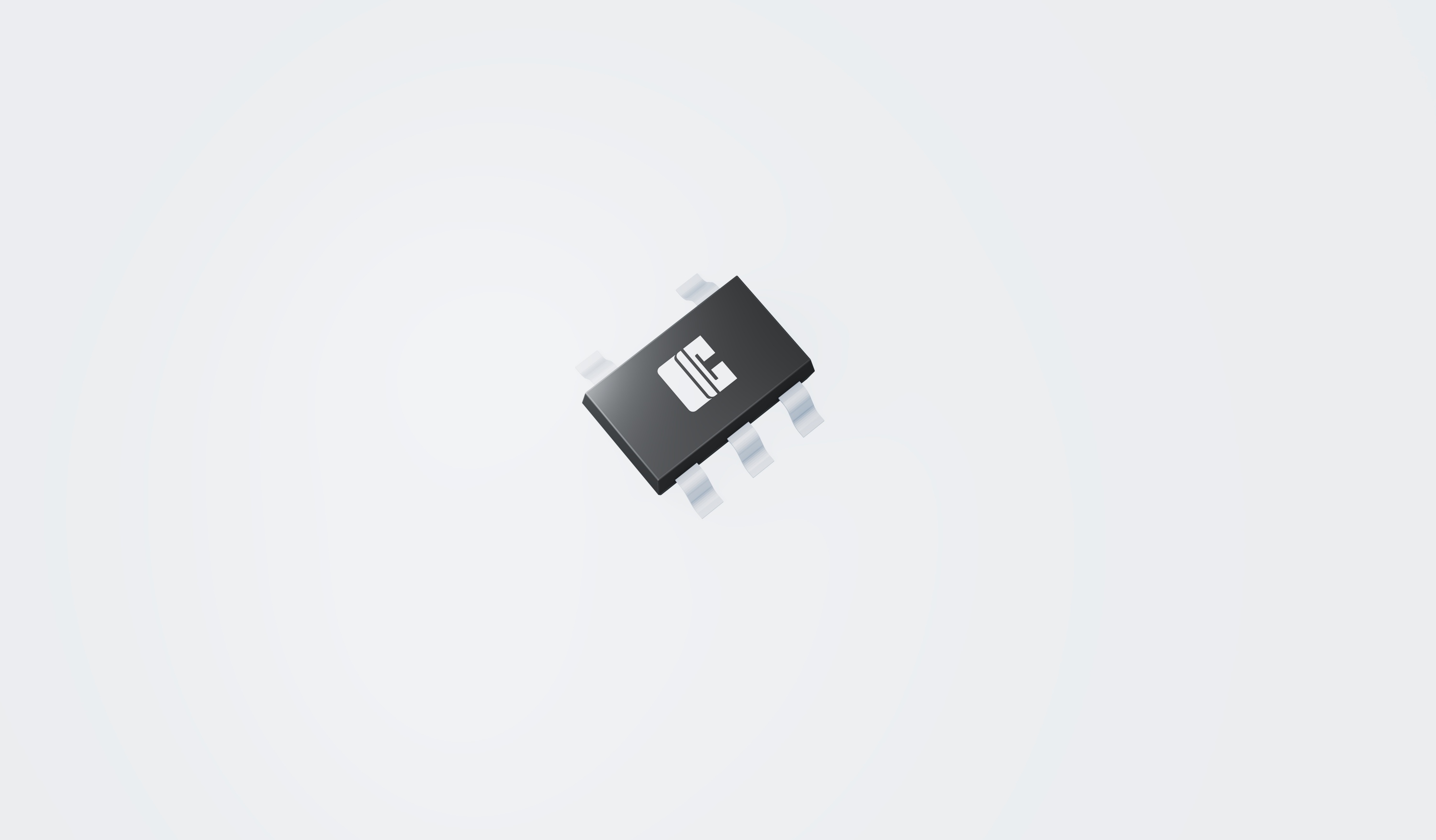
AiP74AUP1G06は、オープンドレイン出力のシングル反転バッファを提供します。このデバイスは、0.8Vから3.6Vまでの全VCC範囲において、非常に低い静的および動的消費電力を実現します。
詳細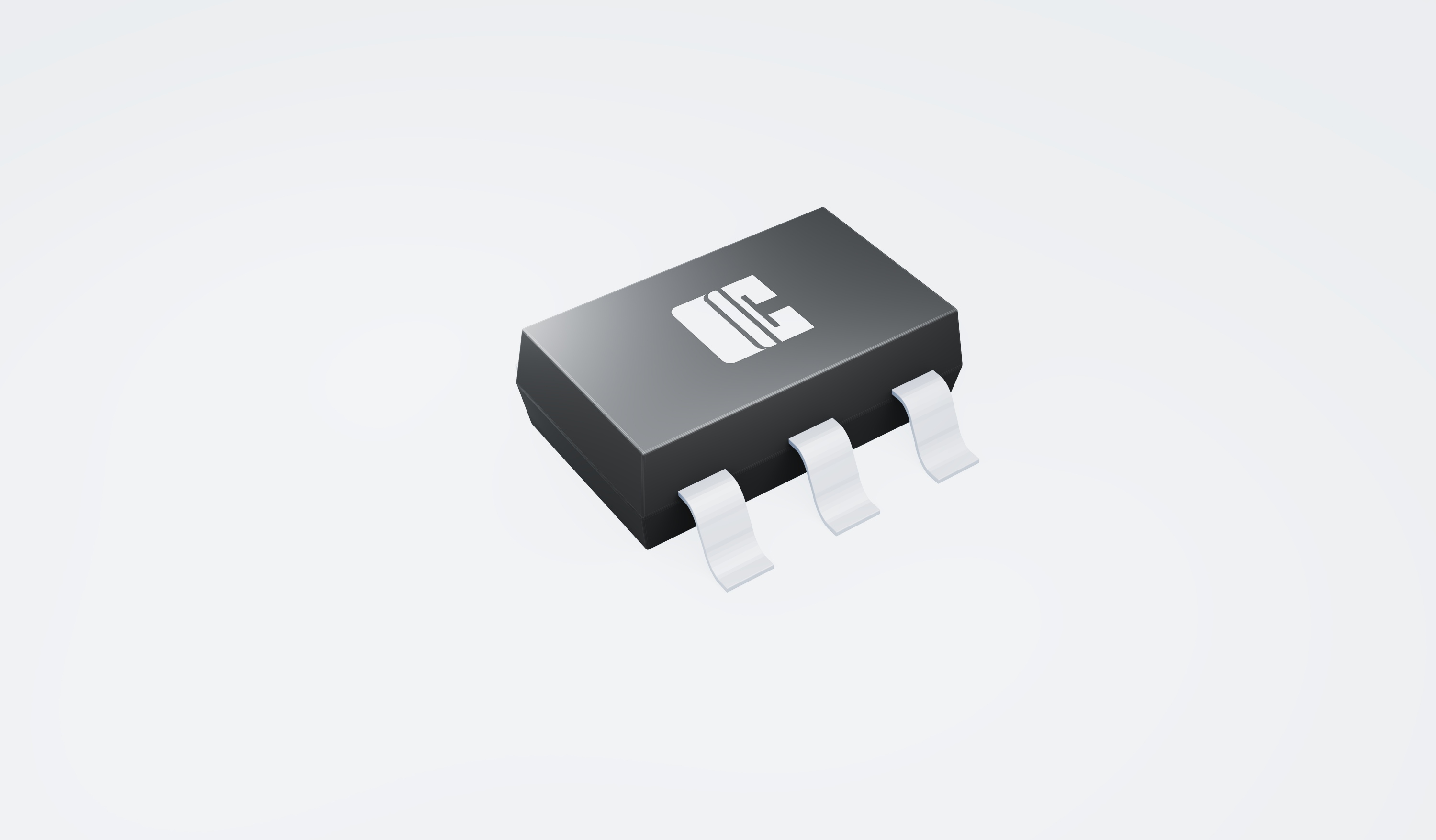
AiP74AUP1G0832は、ブール関数Y=(A×B)+Cを提供します。ユーザーは、論理関数としてOR、AND、AND-ORを選択できます。このデバイスは、0.8Vから3.6Vまでの全VCC範囲において、静的および動的消費電力を非常に低く抑えます。
詳細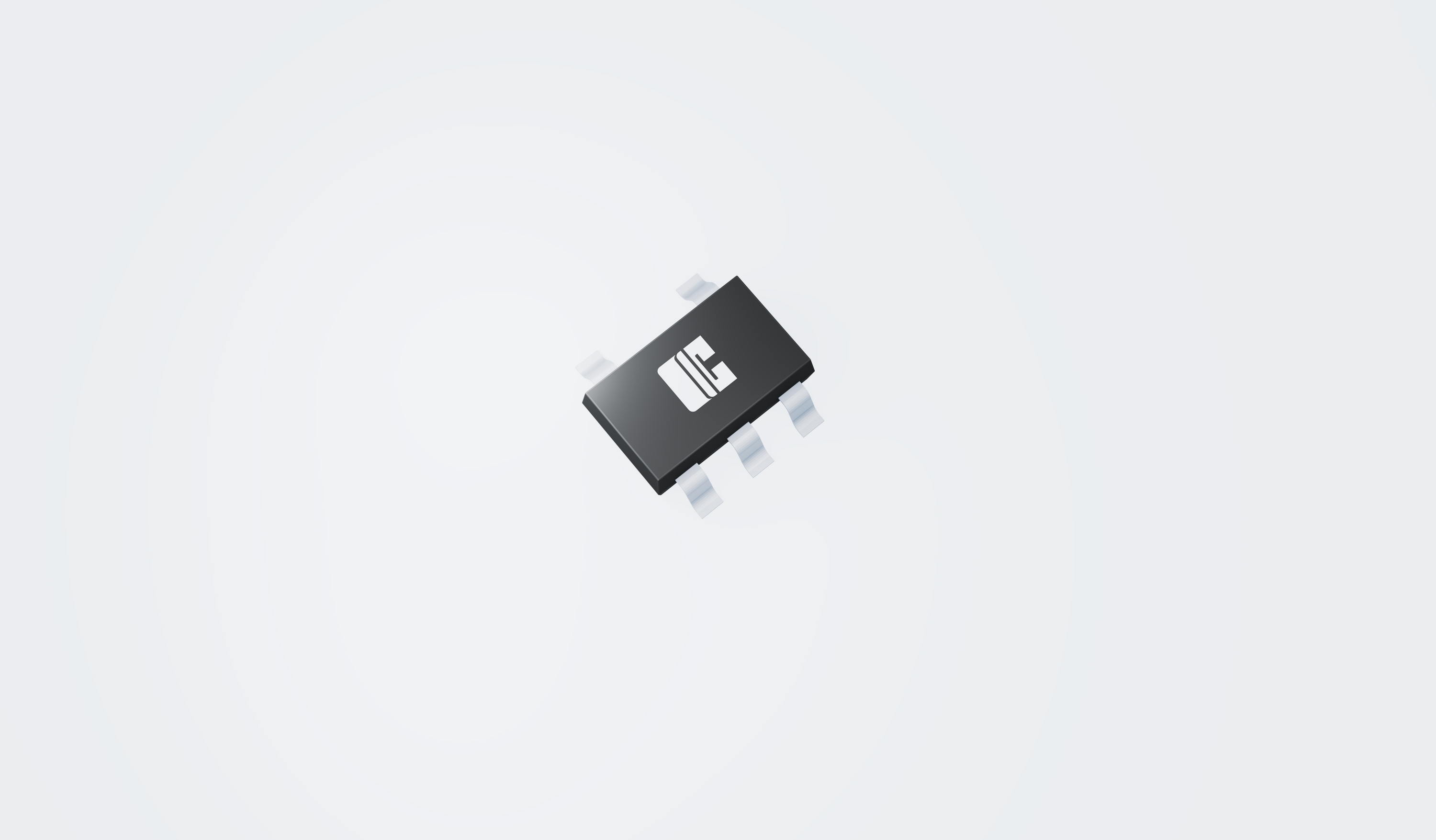
AiP74AUP1G09は、オープンドレイン出力を持つ単一の2入力ANDゲートを提供します。 このデバイスは、0.8Vから3.6Vまでの全VCC範囲において、静的および動的な消費電力を非常に低く抑えます。
詳細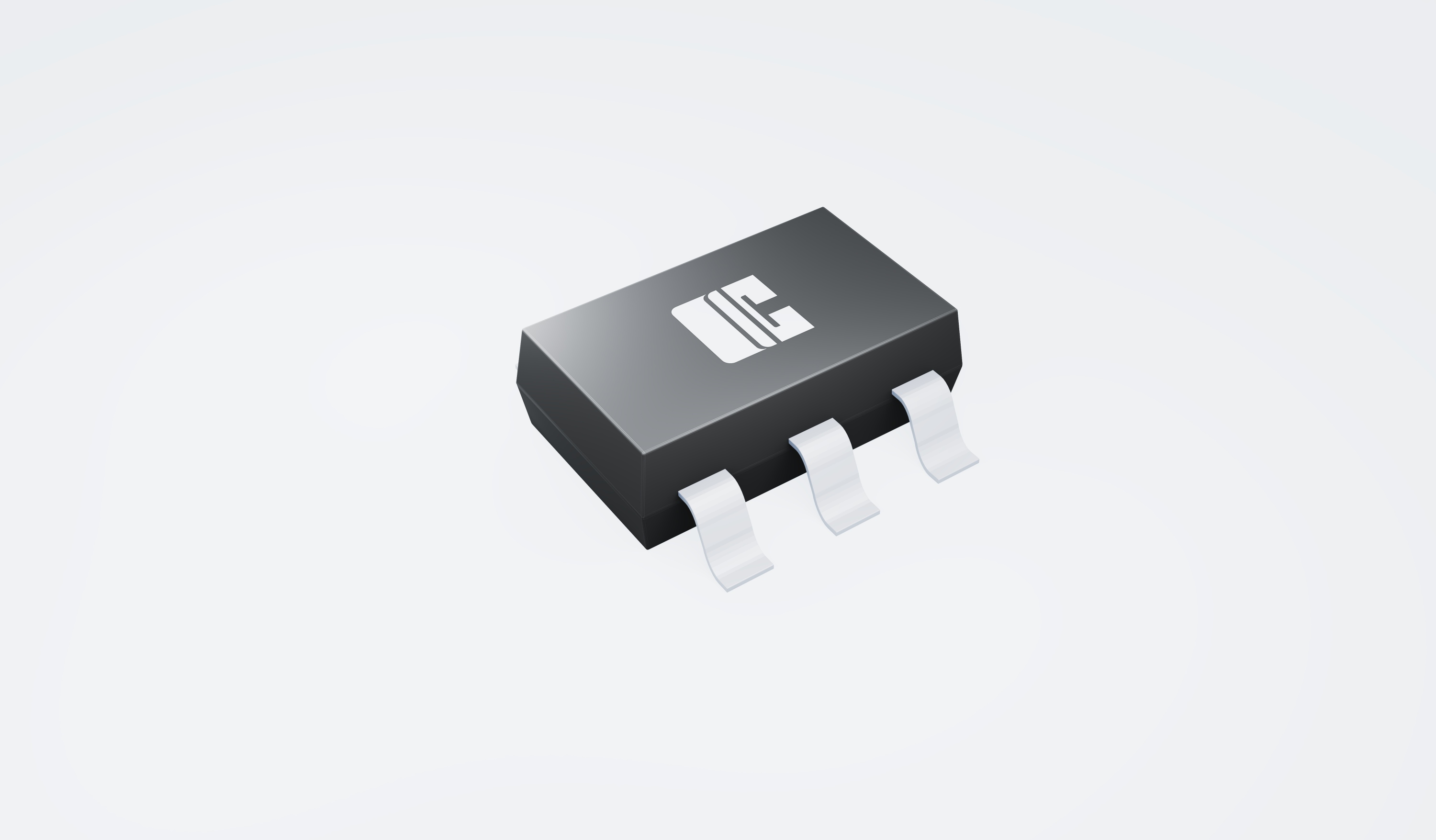
AiP74AUP1G11は、単一の3入力AND機能を提供します。このデバイスは、0.8Vから3.6Vまでの全VCC範囲において、非常に低い静的および動的消費電力を実現します。
詳細
AiP74AUP1G17は、単一のシュミットトリガバッファを提供します。このデバイスは、0.8Vから3.6Vまでの全VCC範囲において、静的および動的な消費電力を非常に低く抑えます。
詳細
AiP74AUP1G34は、低消費電力・低電圧のバッファを2つ搭載しています。 このデバイスは、0.8Vから3.6Vまでの全VCC範囲において、静的および動的な消費電力を非常に低く抑えます。
詳細
AiP74AUP1G38は、オープンドレイン出力の2入力NANDゲートを1つ備えています。 このデバイスは、0.8Vから3.6Vまでの全VCC範囲において、静的および動的な消費電力を非常に低く抑えます。
詳細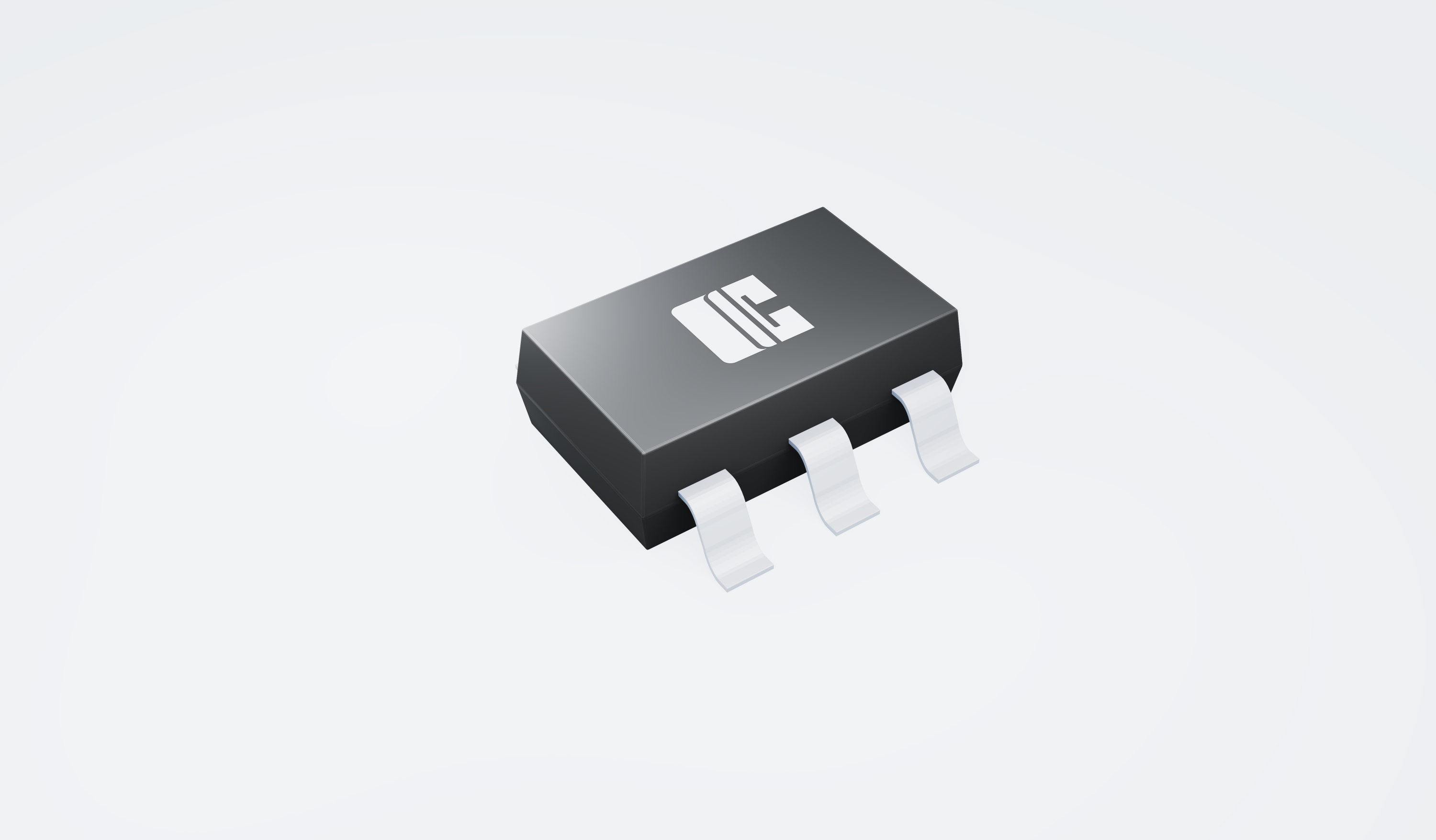
AiP74AUP1G57は、設定可能な複数の機能を備えています。このデバイスは、0.8Vから3.6Vまでの全VCC範囲において、非常に低い静的および動的消費電力を実現します。
詳細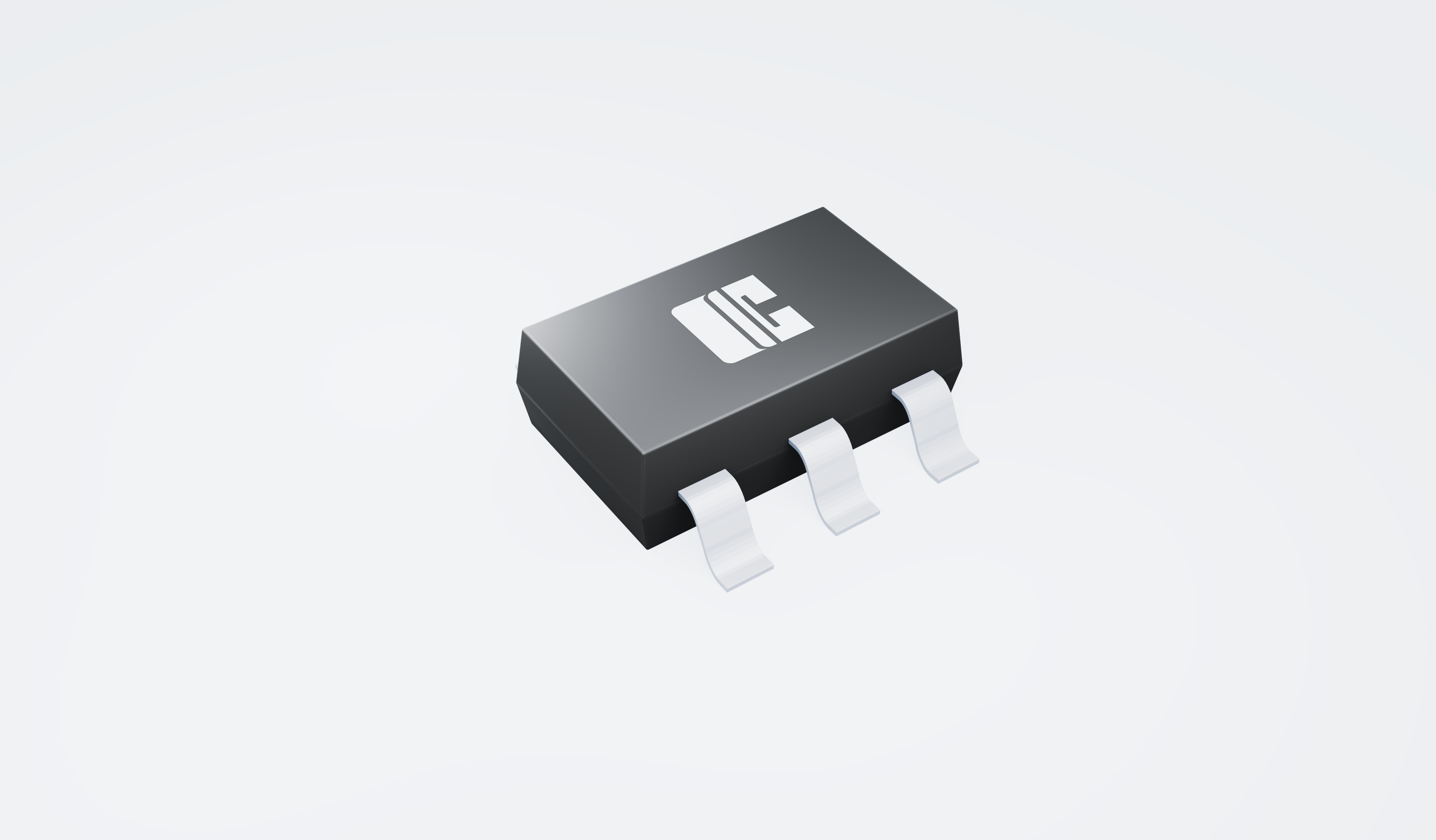
AiP74AUP1G58は、設定可能な複数の機能を備えています。このデバイスは、0.8Vから3.6Vまでの全VCC範囲において、非常に低い静的および動的消費電力を実現します。
詳細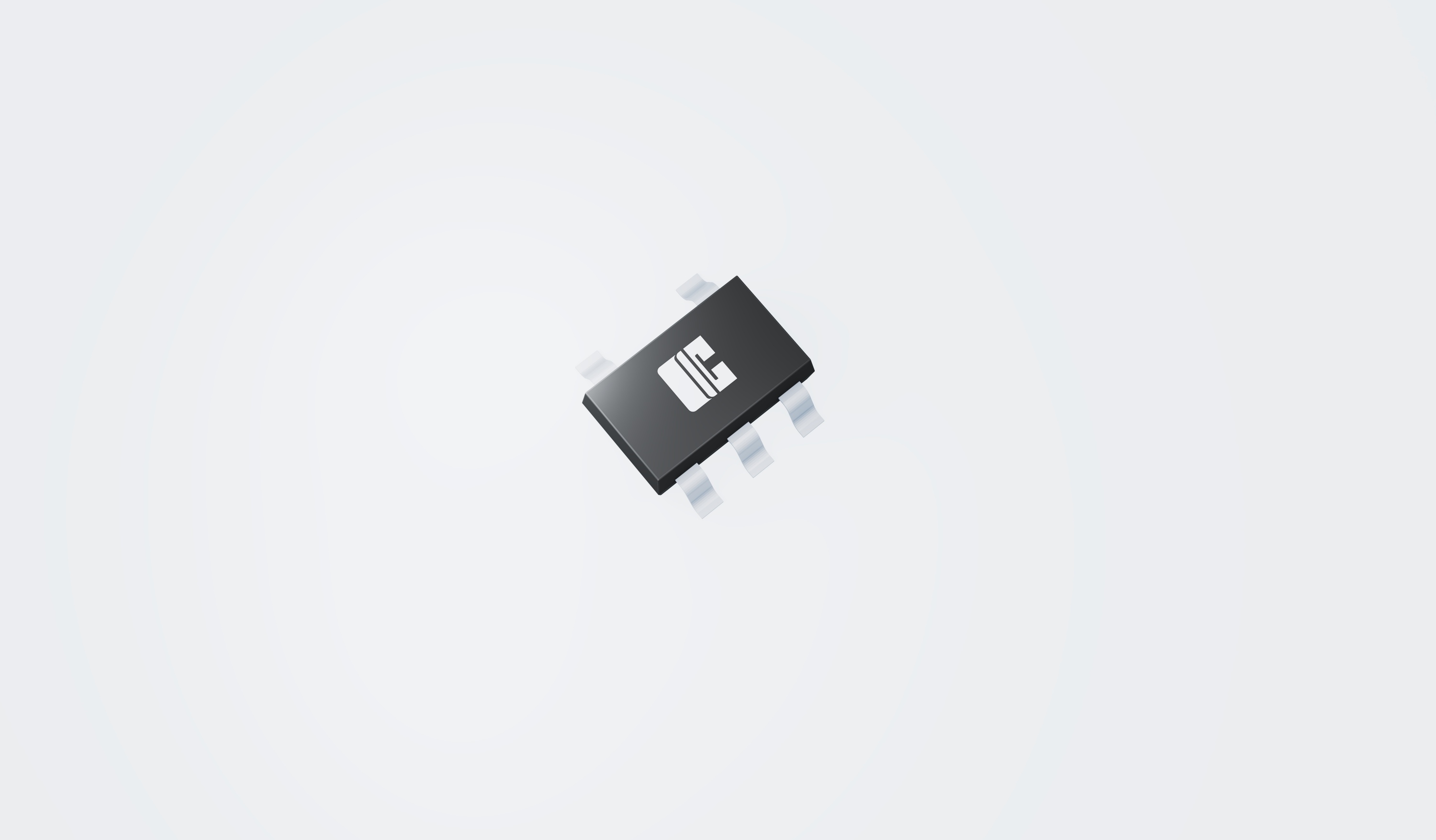
AiP74AUP1G79は、シングル正エッジトリガ方式のD型フリップフロップです。このデバイスは、0.8V~3.6Vの全VCC範囲において、非常に低い静的および動的消費電力を実現します。
詳細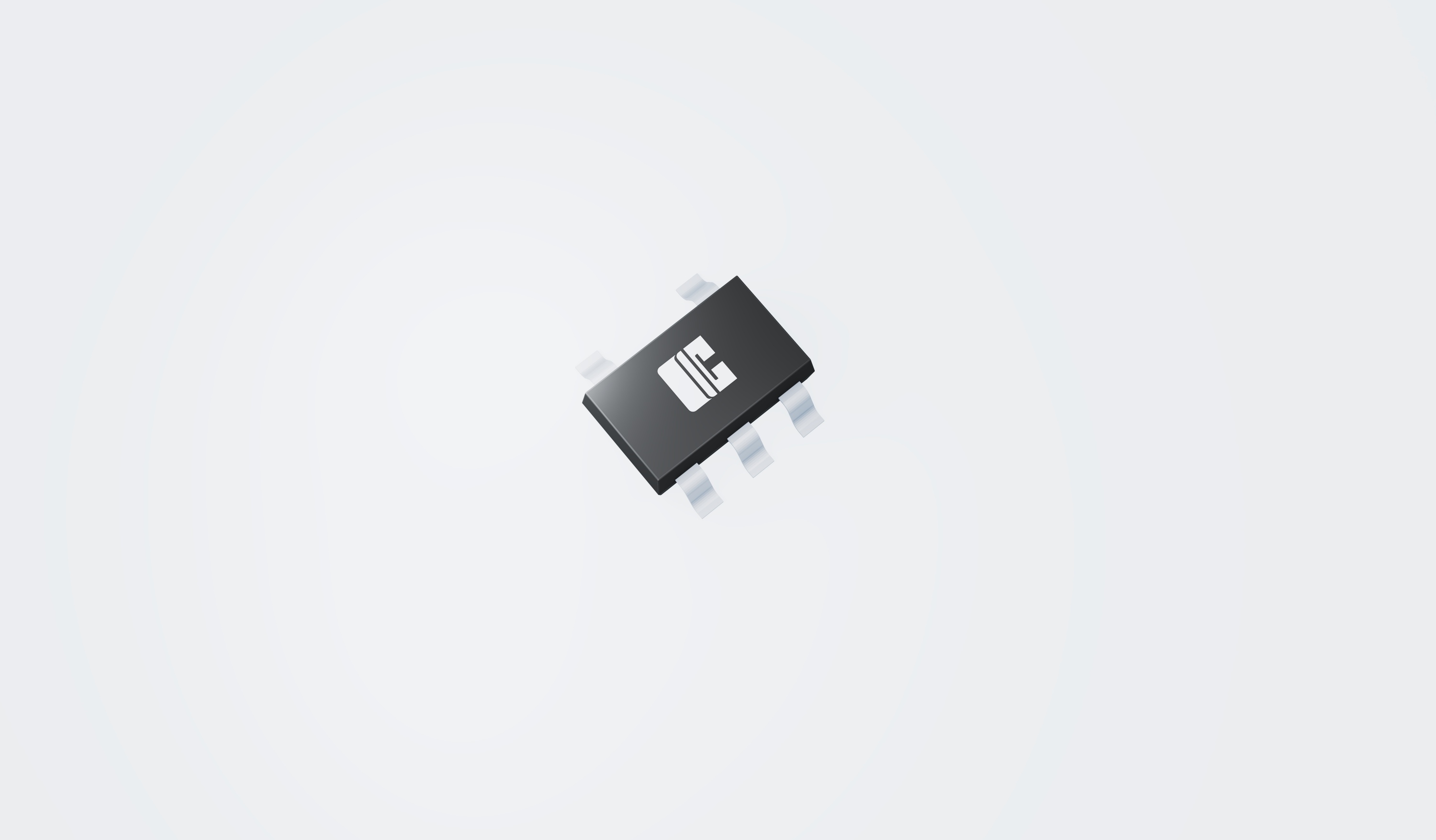
AiP74AUP1G86は、単一の2入力排他的ORゲート機能を提供します。このデバイスは、0.8Vから3.6Vまでの全VCC範囲において、非常に低い静的および動的消費電力を実現します。
詳細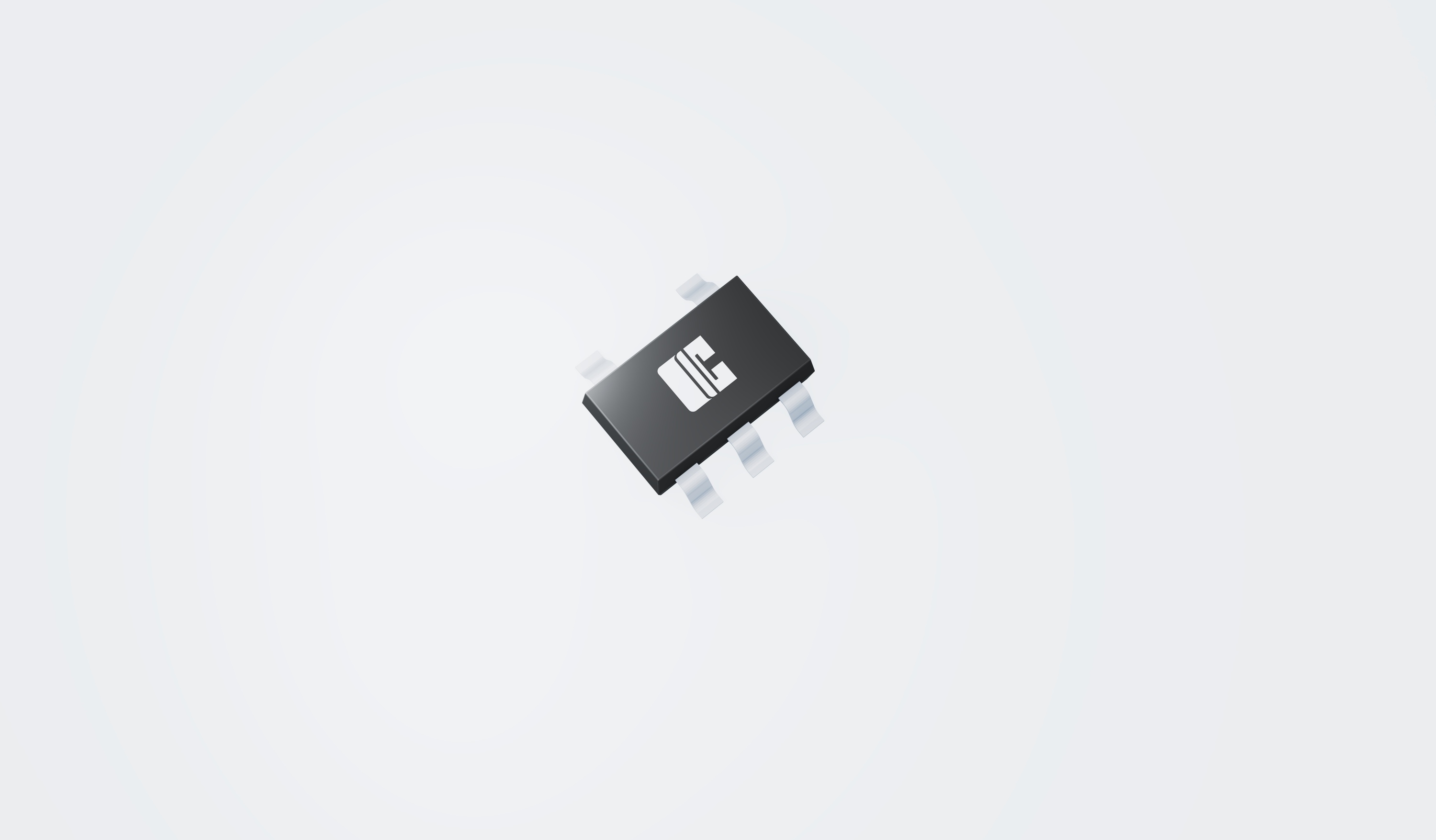
AiP74AUP1G132は、単一の2入力NANDシュミットトリガを提供します。このデバイスは、0.8Vから3.6Vまでの全VCC範囲において、非常に低い静的および動的消費電力を保証します。
詳細
AiP74AUP1G332は、単一の3入力ORゲートを提供します。このデバイスは、VCC範囲全体にわたって非常に低い静的および動的消費電力を保証します。 0.8V~3.6V。
詳細
AiP74AUP1G373は、シングルDタイプ透過型ラッチ3ステート出力を提供します。このデバイスは、0.8V~3.6Vの全VCC範囲において、非常に低い静的および動的消費電力を実現します。
詳細
AiP74AUP2G00は、デュアル2入力AND機能を備えています。このデバイスは、0.8V~3.6Vの全VCC範囲において、非常に低い静的および動的消費電力を実現します。
詳細
AiP74AUP2G02は、標準的な入力信号を受け入れるデュアル2入力NORゲート機能を備えています。このデバイスは、0.8V~3.6Vの全VCC範囲において、非常に低い静的および動的消費電力を実現します。
詳細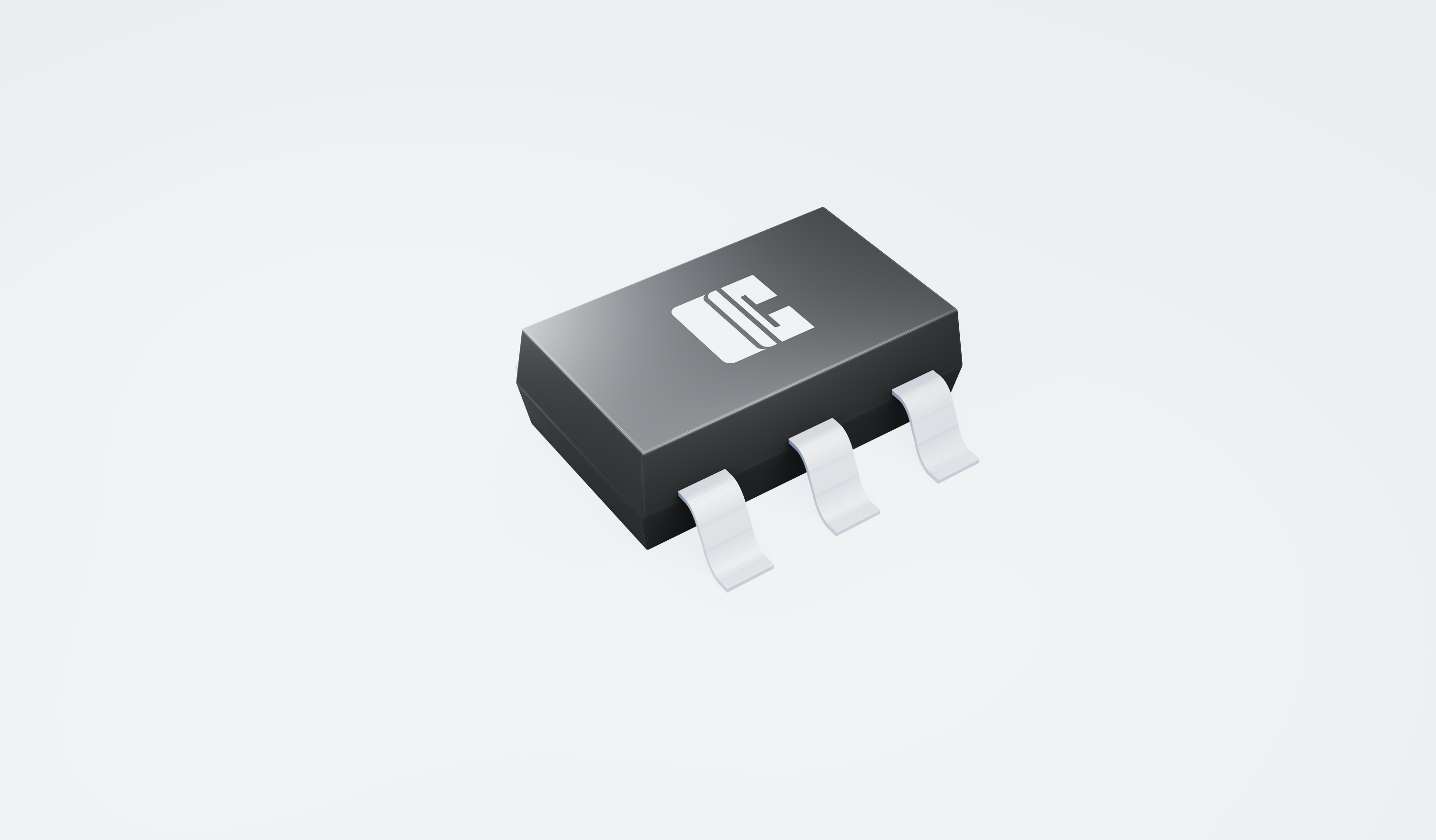
AiP74AUP2G04は2つの反転バッファを備えています。このデバイスは、0.8Vから3.6Vまでの全VCC範囲において、非常に低い静的および動的消費電力を実現します。
詳細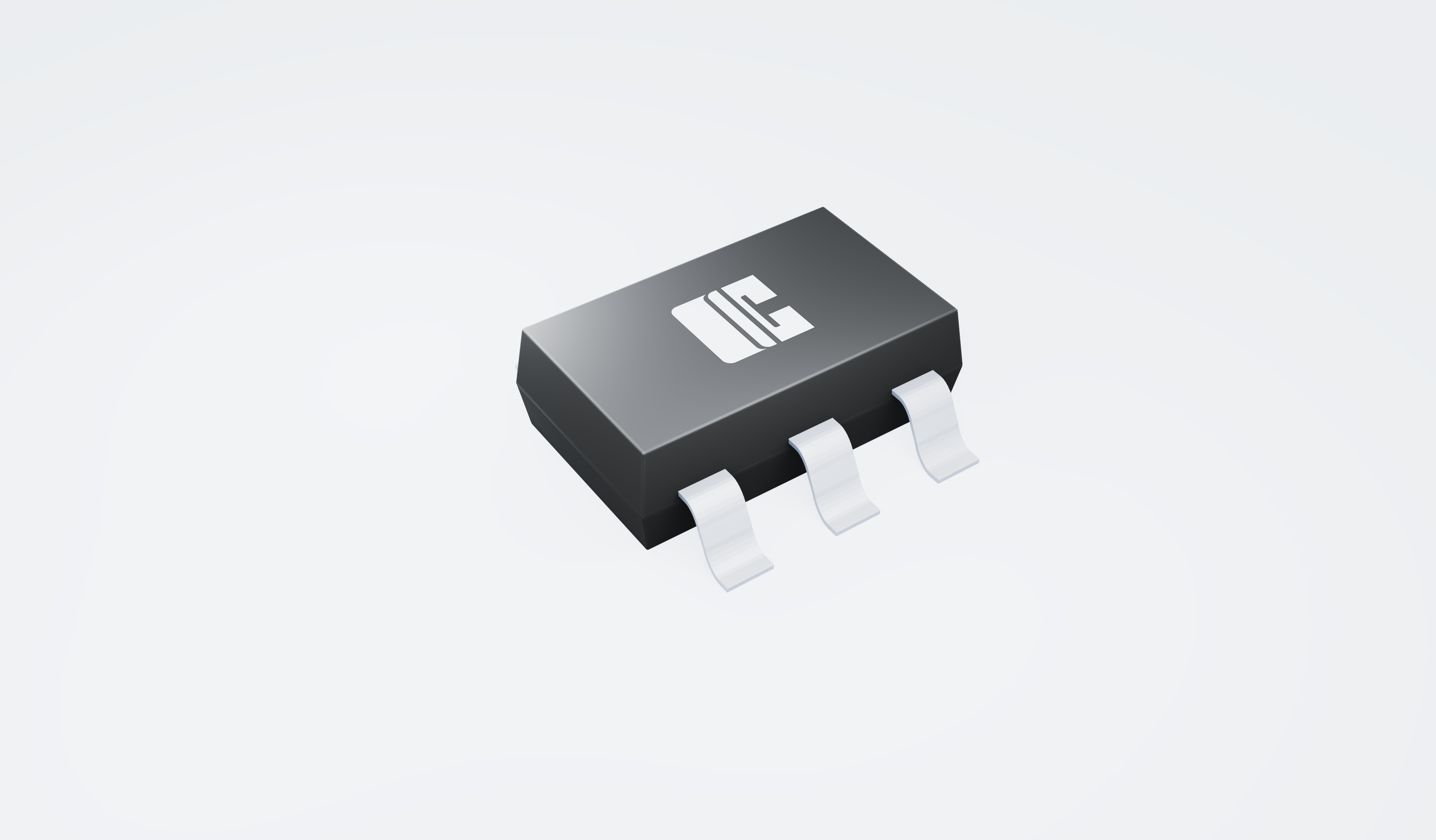
AiP74AUP2GU04は、バッファなしの反転ゲートを2つ備えています。このデバイスは、0.8Vから3.6Vまでの全VCC範囲において、静的および動的消費電力を非常に低く抑えます。
詳細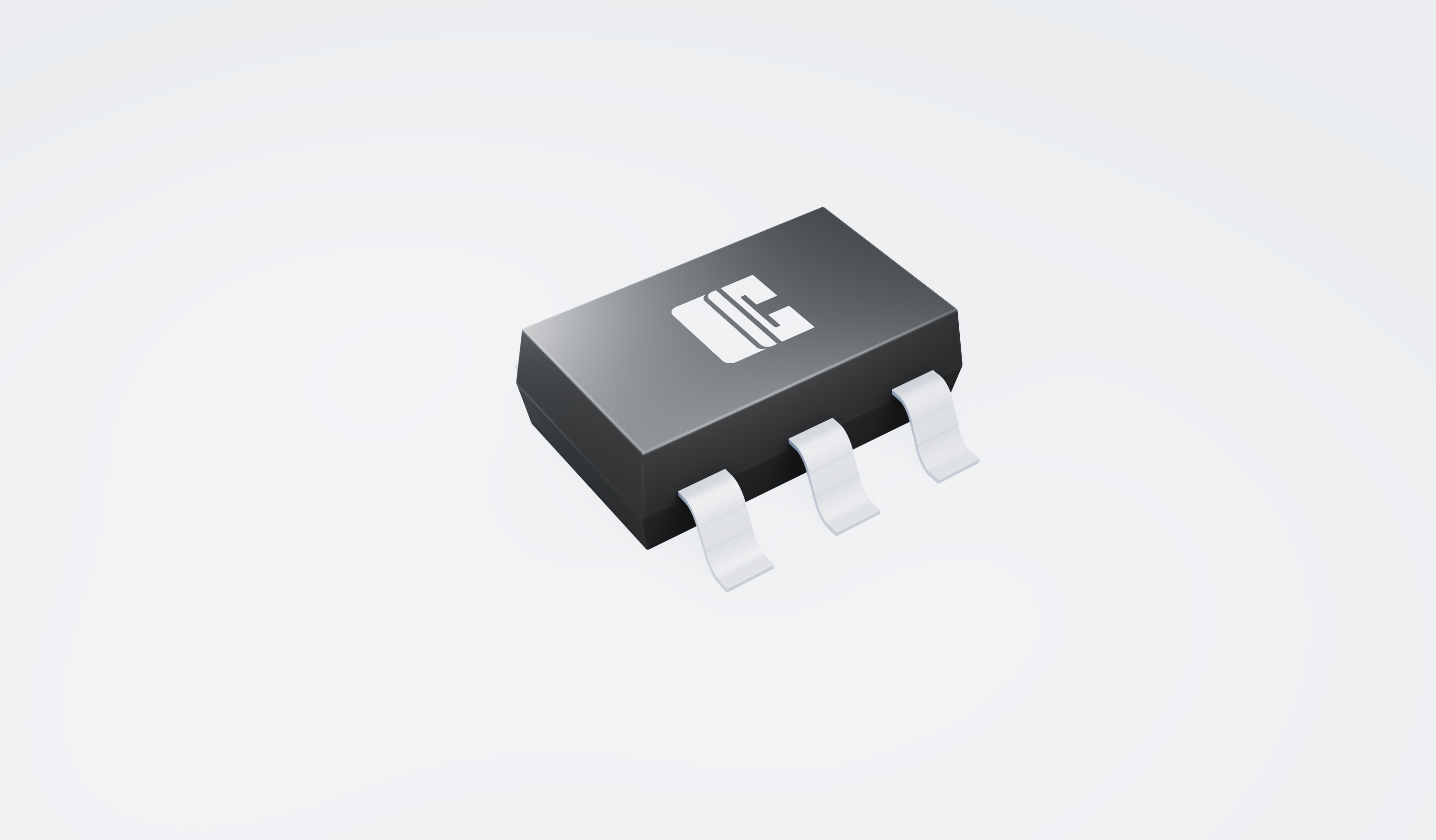
AiP74AUP2G06は、オープンドレイン出力の反転バッファを2つ搭載しています。このデバイスは、0.8V~3.6Vの全VCC範囲において、非常に低い静的および動的消費電力を実現します。
詳細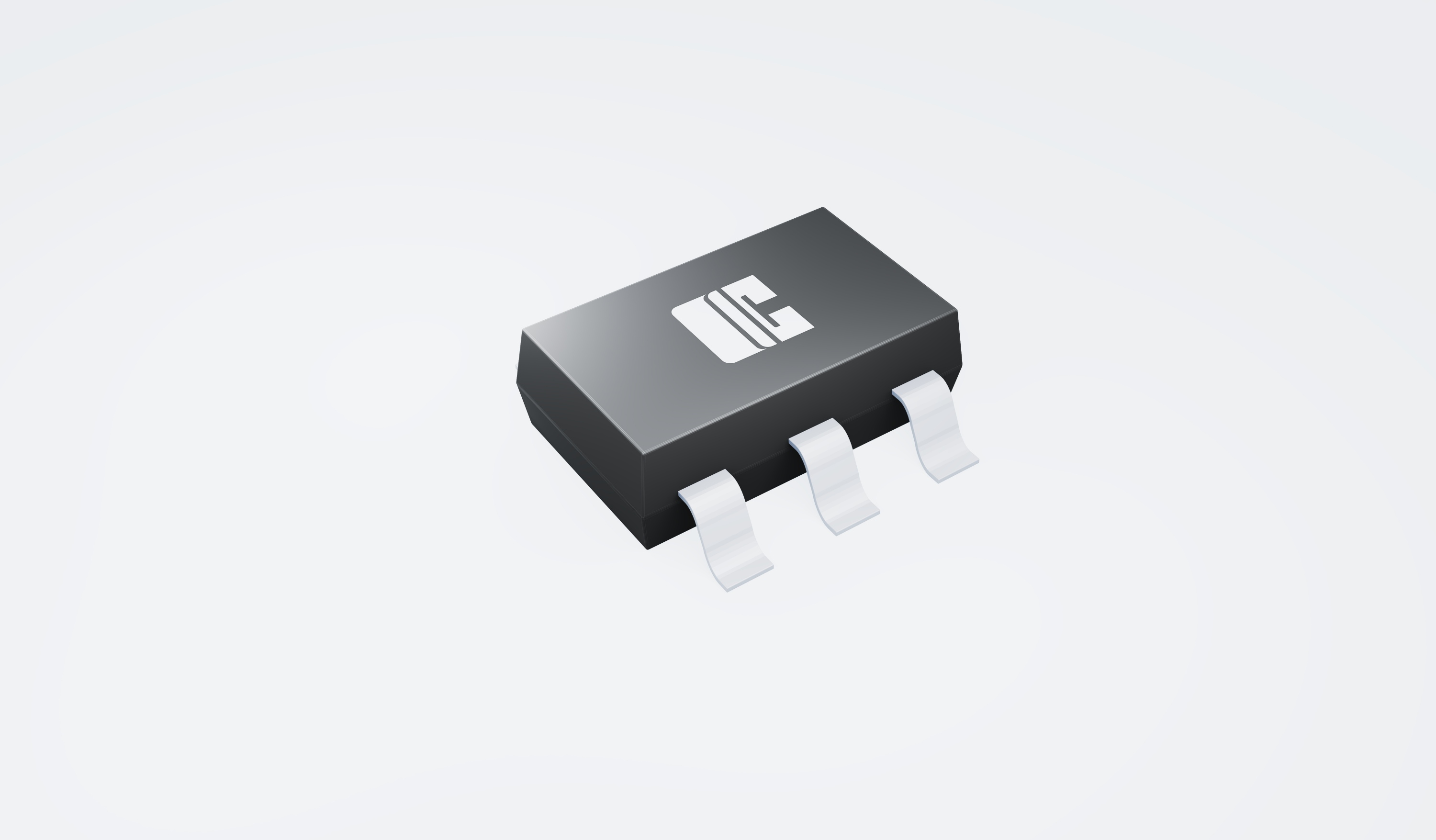
AiP74AUP2G0604は、オープンドレイン出力の反転バッファ1個と、標準的な入力信号を受け入れるインバータ1個を備えています。このデバイスは、0.8Vから3.6Vまでの全VCC範囲において、静的および動的な消費電力を非常に低く抑えます。
詳細
AiP74AUP2G07は、オープンドレイン出力の非反転バッファを2つ搭載しています。このデバイスは、0.8V~3.6Vの全VCC範囲において、非常に低い静的および動的消費電力を実現します。
詳細
AiP74AUP2G08は、デュアル2入力AND機能を提供します。このデバイスは、0.8Vから3.6Vまでの全VCC範囲において、非常に低い静的および動的消費電力を保証します。
詳細
AiP74AUP2G09は、オープンドレイン出力を備えたデュアル2入力ANDゲートを提供します。 このデバイスは、0.8Vから3.6Vまでの全VCC範囲において、静的および動的な消費電力を非常に低く抑えます。
詳細
AiP2206 は、イネーブル ポートを備えた双方向 IC-bus および SMBus 電圧レベル トランスレータで、1.0V ~ 3.6V (Vreft1)) および 1.8V ~ 5.5V (Vbis(ref2)) で動作します。AiP2206 は、方向ピンを使用せずに 1V から 5V への双方向電圧レベル変換を可能にします。スイッチの低いオン状態抵抗により、伝搬遅延を最小限に抑えて接続できます。イネーブル ポートがハイの場合、トランスレータ スイッチがオンになり、SCLI と SDAI がそれぞれ SCL.2 と SDA2 に接続され、両端でデータ伝送が可能になります。イネーブル ポートがローの場合、スイッチはオフになり、ポートは高インピーダンス状態になります。AiP2206 は、デバイスが無効になっているときに両側を分離し、有効になっているときに電圧レベル変換を提供します。AiP2206 は、動作周波数が 400kHz のバスと 100kHz のバスの 2 つのバスを動作させるために使用できます。これら 2 つのバスの周波数が異なる場合、もう一方のバスが 400kHz で動作しているときは、100kHz バスを分離する必要があります。コントローラが 400kHz で動作する場合、変換の遅延により、最大システム動作周波数は 400kHz より低くなる可能性があります。標準 12C システムと同様に、AiP2206 はプルアップ抵抗を介して変換バスにロジック ハイ レベルを提供する必要があります。AiP2206 は標準 12C バスのオープン コレクタ構成になっています。プルアップ抵抗はシステムの伝送速度によって決まりますが、トランスレータの両端にプルアップ抵抗が必要です。このデバイスは主に、標準モード、高速モード、高速モード Plus の IC バス デバイスで SMBus デバイスと連携して動作します。最大周波数は RC 時定数に依存しますが、一般的に 2MHz を超えることが許容されます。SD11 または SDA2 ポートがロー レベルの場合、SD11 と SDA2 の間には ON 状態があり、小さな ON 状態抵抗があります。SDA2 のデバイスの基準ハイ レベルが SDA1 のデバイスの基準ハイ レベルよりも高いと仮定すると、SDA2 のデバイスがハイ レベルを出力すると、SDA1 の出力電圧は VREFI で設定された電圧に制限されます。SD11 のデバイスがハイ レベルを出力すると、SDA2 はプルアップ抵抗によってドレイン プルアップ電源電圧 (VpuD) で設定されたハイ レベルにプルアップされます。これにより、ユーザーは方向制御ピンなしでハイ レベルとロー レベルを自由に切り替えることができます。SCL 1/SCL2 チャネルの動作原理は、SD11/SDA2 チャネルの動作原理と同じです。すべてのチャネルは同じ電気的特性を持ち、電圧または伝搬遅延にわずかなずれがあります。スイッチの対称的な製造は、分割トランジスタの電圧レベル変換を解決するのに有益です。トランスレータは優れたESD保護を提供します。低電圧機器を保護すると同時に、静電気保護機能を持たない機器も保護します。
詳細

AiPGTL2014は、4ビットGTL-LVTTL双方向トランシーバーです。LVTTLは一般的なCMOS入出力であり、GTLパラメータは自由に設定可能です。入力レベルしきい値は外部から提供され、出力はオープンリーク出力であり、ハイレベルは外部プルアップ抵抗によって提供されるため、さまざまなGTLレベル要件に対応できます。
詳細
The AiP74HC/HCT4851 is 8-channel analog multiplexers/demultiplexers with three digital select inputs (S0 to S2), an active-LOW enable input (E—), eight independent inputs/outputs (Y0 to Y7) and a common input/output (Z). The devices feature injection-current effect control, which has excellent value in automotive applications where voltages in excess of the supply voltage are common.
詳細
The AiP74HC/HCT4851 is 8-channel analog multiplexers/demultiplexers with three digital select inputs (S0 to S2), an active-LOW enable input (E—), eight independent inputs/outputs (Y0 to Y7) and a common input/output (Z). The devices feature injection-current effect control, which has excellent value in automotive applications where voltages in excess of the supply voltage are common.
詳細
The AiP74HC/HCT48751 is a single-pole octal-throw analog switch (SP8T) suitable for use in analog or digital 8:1 multiplexer/demultiplexer applications. The switch features three digital select inputs (S0, S1 and S2), eight independent inputs/outputs (Yn), a common input/output (Z) and a digital enable input (E—). When E—is HIGH, the switches are turned off.
詳細
The AiP74HC/HCT48751 is a single-pole octal-throw analog switch (SP8T) suitable for use in analog or digital 8:1 multiplexer/demultiplexer applications. The switch features three digital select inputs (S0, S1 and S2), eight independent inputs/outputs (Yn), a common input/output (Z) and a digital enable input (E—). When E—is HIGH, the switches are turned off.
詳細
The AiP74HC/HCT48752 is a dual single-pole quad-throw analog switch (2×SP4T) suitable for use in analog or digital 4:1 multiplexer/demultiplexer applications. Each switch features four independent inputs/outputs (nY0, nY1, nY2 and nY3) and a common input/output (nZ). A digital enable input (E—) and two digital select inputs (S0 and S1) are common to both switches. When E—is HIGH, the switches are turned off.
詳細
The AiP74HC/HCT48752 is a dual single-pole quad-throw analog switch (2×SP4T) suitable for use in analog or digital 4:1 multiplexer/demultiplexer applications. Each switch features four independent inputs/outputs (nY0, nY1, nY2 and nY3) and a common input/output (nZ). A digital enable input (E—) and two digital select inputs (S0 and S1) are common to both switches. When E—is HIGH, the switches are turned off.
詳細
The AiP74HC/HCT48753 is a triple single-pole double-throw analog switch (3×SPDT) suitable for use in analog or digital 2:1 multiplexer/demultiplexer applications. Each switch features a digital select input (Sn), two independent inputs/outputs (nY0 and nY1) and a common input/output (nZ). A digital enable input (E—) is common to all switches. When E—is HIGH, the switches are turned off.
詳細
The AiP74HC/HCT48753 is a triple single-pole double-throw analog switch (3×SPDT) suitable for use in analog or digital 2:1 multiplexer/demultiplexer applications. Each switch features a digital select input (Sn), two independent inputs/outputs (nY0 and nY1) and a common input/output (nZ). A digital enable input (E—) is common to all switches. When E—is HIGH, the switches are turned off.
詳細
The AiP74LV4051 is a low-voltage CMOS device and is pin and function compatible with the AiP74HC/HCT4051. The AiP74LV4051 is an 8-channel analog multiplexer/demultiplexer with three digital select inputs (S0 to S2), an active-LOW enable input (E), eight independent inputs/outputs (Y0 to Y7) and a common input/output (Z).
詳細
The AiP74LV4052 is a low-voltage CMOS device and is pin and function compatible with the AiP74HC/HCT4052.The AiP74LV4052 is a dual 4-channel analog multiplexer/demultiplexer with a common select logic. Each multiplexer has four independent inputs/outputs (nY0 to nY3) and a common input/output (nZ). The common channel select logics include two digital select inputs (S0 and S1) and an active LOW enable input (E(—)). With E(—) LOW, one of the four switches is selected (low impedance ON-state) by S0 and S1. With E(—) HIGH, all switches are in the high impedance OFF-state, independent of S0 and S1. VCC and GND are the supply voltage pins for the digital control inputs (S0, S1 and E(—)). The VCC to GND ranges are 1.0V to 6.0V. The analog inputs/outputs (nY0, to nY3, and nZ) can swing between VCC as a positive limit and VEE as a negative limit. VCC-VEE may not exceed 6.0V. For operation as a digital multiplexer/demultiplexer, VEE is connected to GND (typically ground).
詳細
The AiP74LV4053 is a triple single-pole double-throw (SPDT) analog switch, suitable for use as an analog or digital multiplexer/demultiplexer.
詳細
The AiP74LV48751 is an 8-channel analog multiplexer/demultiplexer with three digital select inputs (S0 to S2), an active-LOW enable input (E), eight independent inputs/outputs (Y0 to Y7) and a common input/output (Z).
詳細
The AiP74LV48752 is a dual 4-channel analog multiplexer/demultiplexer with a common select logic. Each multiplexer has four independent inputs/outputs (nY0 to nY3) and a common input/output (nZ). The common channel select logics include two digital select inputs (S0 and S1) and an active LOW enable input (E—). With E—LOW, one of the four switches is selected (low impedance ON-state) by S0 and S1. With E—HIGH, all switches are in the high impedance OFF-state, independent of S0 and S1. VCC and GND are the supply voltage pins for the digital control inputs (S0, S1 and E—). The VCC to GND ranges are 2.0V to 6.0V. The analog inputs/outputs (nY0, to nY3, and nZ) can swing between VCC as a positive limit. VCC may not exceed 6.0V.
詳細
The AiP74LV48753 is a triple single-pole double-throw (SPDT) analog switch, suitable for use as an analog or digital multiplexer/demultiplexer.
詳細
The AiP74LVC1G66 provides one single pole, single-throw analog switch function. It has two input/output terminals (Y and Z) and an active HIGH enable input pin (E). When E is LOW, the analog switch is turned off.
詳細
The AiP74LVC1G3157 provides one analog multiplexer/demultiplexer with one digital select input (S), two independent inputs/outputs (Y0, Y1) and a common input/output (Z).Schmitt trigger action at the select input makes the circuit tolerant of slower input rise and fall times across the entire VCC range from 1.65V to 5.5V.
詳細
The CD4051 is an 8-channel analog multiplexer/demultiplexer with three address inputs (S1 to S3), an active LOW enable input (E(—)), eight independent inputs/outputs (Y0 to Y7) and a common input/output (Z). The device contains eight bidirectional analog switches, each with one side connected to an independent input/output (Y0 to Y7) and the other side connected to a common input/output (Z). With E(—) LOW, one of the eight switches is selected (low-impedance ON-state) by S1 to S3. With E(—) HIGH, all switches are in the high-impedance OFF-state, independent of S1 to S3. If break before make is needed, then it is necessary to use the enable input.VDD and VSS are the supply voltage connections for the digital control inputs (S1 to S3, and E(—)). The VDD to VSS range is 3V to 9V. The analog inputs/outputs (Y0 to Y7, and Z) can swing between VDD as a positive limit and VEE as a negative limit. VDD-VEE may not exceed 9V. Unused inputs must be connected to VDD, VSS, or another input. For operation as a digital multiplexer/demultiplexer, VEE is connected to VSS (typically ground). VEE and VSS are the supply voltage connections for the switches.
詳細
The CD4051H is an 8-channel analog multiplexer/demultiplexer with three address inputs (S1 to S3), an active LOW enable input (E(—)), eight independent inputs/outputs (Y0 to Y7) and a common input/output (Z). The device contains eight bidirectional analog switches, each with one side connected to an independent input/output (Y0 to Y7) and the other side connected to a common input/output (Z). With E(—) LOW, one of the eight switches is selected (low-impedance ON-state) by S1 to S3. With E(—) HIGH, all switches are in the high-impedance OFF-state, independent of S1 to S3. If break before make is needed, then it is necessary to use the enable input.VDD and VSS are the supply voltage connections for the digital control inputs (S1 to S3, and E(—)). The VDD to VSS range is 3V to 18V. The analog inputs/outputs (Y0 to Y7, and Z) can swing between VDD as a positive limit and VEE as a negative limit. VDD-VEE may not exceed 18V. Unused inputs must be connected to VDD, VSS, or another input. For operation as a digital multiplexer/demultiplexer, VEE is connected to VSS (typically ground). VEE and VSS are the supply voltage connections for the switches.
詳細
The CD4051HS is an 8-channel analog multiplexer/demultiplexer with three address inputs (S1 to S3), an active LOW enable input (E—), eight independent inputs/outputs (Y0 to Y7) and a common input/output (Z).The device contains eight bidirectional analog switches, each with one side connected to an independentinput/output (Y0 to Y7) and the other side connected to a common input/output (Z). With E—LOW, one ofthe eight switches is selected (low-impedance ON-state) by S1 to S3. With E—HIGH, all switches are in the high-impedance OFF-state, independent of S1 to S3. If break before make is needed, then it is necessary to use the enable input.VDD and VSS are the supply voltage connections for the digital control inputs (S1 to S3, and E—). The VDD to VSS range is 3V to 18V. The analog inputs/outputs (Y0 to Y7, and Z) can swing between VDD as a positive limit and VEE as a negative limit. VDD-VEE may not exceed 18V. Unused inputs must be connected to VDD, VSS, or another input. For operation as a digital multiplexer/demultiplexer, VEE is connected to VSS(typically ground). VEE and VSS are the supply voltage connections for the switches.
詳細
The CD4052 is a dual 4-channel analogue multiplexer/demultiplexer with common channel select logic. Each multiplexer/demultiplexer has four independent inputs/outputs (nY0 to nY3) and a common input/output (nZ). The common channel select logic includes two select inputs (S1 and S2) and an active LOW enable input (E(—)). Both multiplexers/demultiplexers contain four bidirectional analog switches, each with one side connected to an independent input/output (nY0 to nY3) and the other side connected to a common input/output (nZ). With E(—) LOW, one of the four switches is selected (low-impedance ON-state) by S1 and S2. With E(—) HIGH, all switches are in the high-impedance OFF-state, independent of S1 and S2. If break before make is needed, then it is necessary to use the enable input.VDD and VSS are the supply voltage connections for the digital control inputs (S1 and S2, and E(—)). The VDD to VSS range is 3V to 9V. The analog inputs/outputs (nY0 to nY3, and nZ) can swing between VDD as a positive limit and VEE as a negative limit. VDD-VEE may not exceed 9V. Unused inputs must be connected to VDD, VSS, or another input. For operation as a digital multiplexer/demultiplexer, VEE is connected to VSS (typically ground). VEE and VSS are the supply voltage connections for the switches.
詳細
The CD4052H is a dual 4-channel analogue multiplexer/demultiplexer with common channel select logic. Each multiplexer/demultiplexer has four independent inputs/outputs (nY0 to nY3) and a common input/output (nZ). The common channel select logic includes two select inputs (S1 and S2) and an active LOW enable input (E(—)). Both multiplexers/demultiplexers contain four bidirectional analog switches, each with one side connected to an independent input/output (nY0 to nY3) and the other side connected to a common input/output (nZ). With E(—) LOW, one of the four switches is selected (low-impedance ON-state) by S1 and S2. With E(—) HIGH, all switches are in the high-impedance OFF-state, independent of S1 and S2. If break before make is needed, then it is necessary to use the enable input.VDD and VSS are the supply voltage connections for the digital control inputs (S1 and S2, and E(—)). The VDD to VSS range is 3V to 18V. The analog inputs/outputs (nY0 to nY3, and nZ) can swing between VDD as a positive limit and VEE as a negative limit. VDD-VEE may not exceed 18V. Unused inputs must be connected to VDD, VSS, or another input. For operation as a digital multiplexer/demultiplexer, VEE is connected to VSS (typically ground). VEE and VSS are the supply voltage connections for the switches.
詳細
The CD4053 is a triple single-pole double-throw (SPDT) analog switch, suitable for use as an analog or digital multiplexer/demultiplexer. Each switch has a digital select input (Sn), two independent inputs/outputs (nY0 and nY1) and a common input/output (nZ). All three switches share an enable input (E(—)). A HIGH on E(—) causes all switches into the high-impedance OFF-state, independent of Sn.VDD and VSS are the supply voltage connections for the digital control inputs (Sn and E(—)). The VDD to VSS range is 3V to 9V. The analog inputs/outputs (nY0, nY1, and nZ) can swing between VDD as a positive limit and VEE as a negative limit. VDD-VEE may not exceed 9V. Unused inputs must be connected to VDD, VSS, or another input. For operation as a digital multiplexer/demultiplexer, VEE is connected to VSS (typically ground). VEE and VSS are the supply voltage connections for the switches.
詳細
The CD4053H is a triple single-pole double-throw (SPDT) analog switch, suitable for use as an analog or digital multiplexer/demultiplexer. Each switch has a digital select input (Sn), two independent inputs/outputs (nY0 and nY1) and a common input/output (nZ). All three switches share an enable input (E(—)). A HIGH on E(—) causes all switches into the high-impedance OFF-state, independent of Sn.VDD and VSS are the supply voltage connections for the digital control inputs (Sn and E(—)). The VDD to VSS range is 3V to 18V. The analog inputs/outputs (nY0, nY1, and nZ) can swing between VDD as a positive limit and VEE as a negative limit. VDD-VEE may not exceed 18V. Unused inputs must be connected to VDD, VSS, or another input. For operation as a digital multiplexer/demultiplexer, VEE is connected to VSS (typically ground). VEE and VSS are the supply voltage connections for the switches.
詳細
The CD4066 provides four single-pole, single-throw analog switch functions. Each switch has two input/output terminals (nY and nZ) and an active HIGH enable input (nE). When nE is LOW, the analog switch is turned off.The CD4066 is pin compatible with the CD4016 but exhibits a much lower ON resistance. In addition the ON resistance is relatively constant over the full input signal range.
詳細
The CD4094 is an 8-stage serial shift register. It has a storage latch associated with each stage for strobing data from the serial input to parallel buffered 3-state outputs QP0 to QP7. The parallel outputs may be connected directly to common bus lines. Data is shifted on positive-going clock transitions. The data in each shift register stage is transferred to the storage register when the strobe (STR) input is HIGH. Data in the storage register appears at the outputs whenever the output enable (OE) signal is HIGH.Two serial outputs (QS1 and QS2) are available for cascading a number of CD4094 devices. Serial data is available at QS1 on positive-going clock edges to allow high-speed operation in cascaded systems with a fast clock rise time. The same serial data is available at QS2 on the next negative going clock edge. This is used for cascading CD4094 devices when the clock has a slow rise time.It operates over a recommended VDD power supply range of 3V to 15V referenced to VSS (usually ground). Unused inputs must be connected to VDD, VSS, or another input.
詳細
AiP74CBTLV3125 is a 4-bit bus single-channel analog switch circuit. Each bit is controlled by the separate enable port (1OE—to 4OE—) and enable ports are all Schmitt designed. To ensure the high-impedance OFF-state during power-up or power-down, it is recommended that nOE—connect an external pull-up resistor to VCC. When the circuit is in power down state (VCC=0V), the control port and the switch port are in high resistance state, which can effectively prevent backflow and circuit damage.
詳細
AiP74CBTLV3126 is a 4-Bit bus switch circuit. Each bit is controlled by the separate enable port (1OE~4OE) and enable ports are all Schmitt design. To ensure the high-impedance OFF-state during power-up or power-down, it is recommended that nOE connect an external drop-down resistor to GND. When the circuit is in power down state (VCC=0V), the control port and the switch port are in high resistance state, which can effectively prevent backflow and circuit damage.
詳細
AiP74CBTLV3245 is an 8-bit bus switch with output enable. The circuit has a common enable control port (OE—), which is Schmitt designed. To ensure the high-impedance OFF-state during power-up or power-down, it is recommended that OE—connect an external pull-up resistor to VCC. When the circuit is in power down state (VCC=0V), the control port and the switch port are in high resistance state, which can effectively prevent backflow and circuit damage.
詳細
AiP74CBTLV3253 is a dual 1-of-4 multiplexer/demultiplexer. The circuit has two common selection ports (S0, S1) and two enable control ports (1OE , 2OE ). To ensure the high-impedance OFF-state during power up or power down, 1OE and 2OE should be tied toVcc through a pull-up resistor. This device is fully specified for partial power-down applications using IOFF. The IOFFcircuitry disables the output, preventing the damaging backflow current through thedevice when it is powered down.
詳細
AiP74CBTLV3257 is a 4-Bit 1-of-2 FET Multiplexer/Demultiplexer. The circuit has a common selection port (S) and an enable control port (OE(—)).To ensure the high-impedanceOFF-state during power upor power down, OE(—) should be tied to Vcc through apull-up resistor.This device is fully specified for partial power-down applications using IOFF. The IOFF circuitry disables the output, preventing the damaging backflow current through the device when it is powered down.
詳細
AiP74CBTLV3306 is a 2-bit bus switch. The circuit has a common enable control port (OE—), which is designed as a Schmitt trigger. To ensure the high-impedance OFF-state during power up or power down, OE—should be tied to VCC through a pull-up resistor. This device is fully specified for partial power-down applications using IOFF. The IOFFcircuitry disables the output, preventing the damaging backflow current through thedevice when it is powered down.
詳細
AiP74CBTLV3861 is a 10-bit bus switch with output enable. The circuit has a common enable control port (OE -), which is Schmitt designed. To ensure the high-impedance OFF-state during power-up or power-down, it is recommended that (OE -) connect an external pull-up resistor to VCC. When the circuit is in power down state (VCC=0V), the control port and the switch port are in high resistance state, which can effectively prevent backflow and circuit damage.
詳細
AiP74CB3Q3245 is an 8-bit bus switch with output enable and charge pump. A built-in charge pump is used to increase the gate voltage of the NMOS pass transistor, enabling the circuit to transmit 5.5V switching signals when VCC=3.3V.
詳細
AiP74CB3Q3251 is a 1-of-8 multiplexer/demultiplexer with charge pump. The circuit has selection port (S0 to S2) and enable control port (OE -).A built-in charge pump is used to increase the gate voltage of the NMOS pass transistor, enabling the circuit to transmit 5.5V switching signals when VCC=3.3V.
詳細
AiP74CB3Q3253 is a dual 1-of-4 multiplexer/demultiplexer. The circuit has selection port (Sn) and enable control port (nOE—).A built-in charge pump is used to increase the gate voltage of the NMOS pass transistor, enabling the circuit to transmit 5.5V switching signals when VCC=3.3V.
詳細
AiP74CB3Q3257 is a 4-bit 1-of-2 multiplexer/demultiplexer. The circuit has common select port (S) and enable control port (OE—).A built-in charge pump is used to increase the gate voltage of the NMOS pass transistor, enabling the circuit to transmit 5.5V switching signals when VCC=3.3V.
詳細
AiP74CB3Q3245 is a dual bus switch with charge pump. A built-in charge pump is used to increase the gate voltage of the NMOS pass transistor, enabling the circuit to transmit 5.5V switching signals when VCC=3.3V.
詳細
The CD4011 is a quad 2-input NAND gate. The outputs are fully buffered for the highest noise immunity and pattern insensitivity to output impedance.It operates over a recommended VDD power supply range of 3V to 15V referenced to VSS (usually ground). Unused inputs must be connected to VDD, VSS, or another input.
詳細
The CD4013 is a dual D-type flip-flop that features independent set-direct input (SD), clear-direct input (CD), clock input (CP) and outputs (Q, Q(—)). Data is accepted when CP is LOW and is transferred to the output on the positive-going edge of the clock. The active HIGH asynchronous CD and SD inputs are independent and override the D or CP inputs. The outputs are buffered for best system performance. The clock input’s Schmitt-trigger action makes the circuit highly tolerant of slower clock rise and fall times.It operates over a recommended VDD power supply range of 3V to 15V referenced to VSS (usually ground). Unused inputs must be connected to VDD, VSS, or another input.
詳細
The CD4017 is a 5-stage Johnson decade counter with ten spike-free decoded active HIGH outputs (Q0 to Q9), an active LOW carry output from the most significant flip-flop (Q(—)5-9), active HIGH and active LOW clock inputs (CP0, CP(—)1) and an overriding asynchronous master reset input (MR).The counter is advanced by either a LOW-to-HIGH transition at CP0 while CP(—)1 is LOW or a HIGH-to-LOW transition at CP(—)1 while CP0 is HIGH.When cascading counters, the Q(—)5-9 output, which is LOW while the counter is in states 5, 6, 7, 8, and 9, can be used to drive the CP0 input of the next counter. A HIGH on MR resets the counter to zero (Q0=Q(—)5-9=HIGH; Q1 to Q9=LOW) independent of the clock inputs (CP0, CP(—)1).Automatic counter code correction is provided by an internal circuit: following any illegal code the counter returns to a proper counting mode within 11 clock pulses.It operates over a recommended VDD power supply range of 3V to 15V referenced to VSS (usually ground). Unused inputs must be connected to VDD, VSS, or another input.
詳細
The CD4020 is a 14-stage binary counter with a clock input ( ), an overriding asynchronous master reset input (MR) and twelve fully buffered outputs (Q0, and Q3 to Q13).It operates over a recommended VDD power supply range of 3V to 15V referenced to VSS (usually ground). Unused inputs must be connected to VDD, VSS, or another input.
詳細
The CD4021 is an 8-bit static shift register (parallel-to-serial converter) with a synchronous serial data input (DS), a clock input (CP), an asynchronous active HIGH parallel load input (PL), eight asynchronous parallel data inputs (D0 to D7) and buffered parallel outputs from the last three stages (Q5 to Q7).Each register stage is a D-type master-slave flip-flop with a set direct (SD) and clear direct (CD) input. Information on D0 to D7 is asynchronously loaded into the register while PL is HIGH, independent of CP and DS. When PL is LOW, data on DS is shifted into the first register position and all the data in the register is shifted one position to the right on the LOW-to-HIGH transition of CP. Schmitt trigger action makes the clock input highly tolerant of slower rise and fall times.It operates over a recommended VDD power supply range of 3V to 15V referenced to VSS (usually ground). Unused inputs must be connected to VDD, VSS, or another input.
詳細
The CD4023 provides the positive triple 3-input NAND function. The outputs are fully buffered for highest noise immunity and pattern insensitivity of output impedance.It operates over a recommended VDD power supply range of 3V to 15V referenced to GND (usually ground). Unused inputs must be connected to VDD, GND, or another input.
詳細
The CD4025 is a triple 3-input NOR gate. The outputs are fully buffered for the highest noise immunity and pattern insensitivity to output impedance.It operates over a recommended VDD power supply range of 3V to 15V referenced to VSS (usually ground). Unused inputs must be connected to VDD, VSS, or another input.
詳細
The CD4027 is a edge-triggered dual JK flip-flop which features independent set-direct (SD), clear-direct (CD), clock (CP) inputs and outputs (Q, Q(—)). Data is accepted when CP is LOW, and transferred to the output on the positive-going edge of the clock. The active HIGH asynchronous clear-direct (CD) and set-direct (SD) inputs are independent and override the J, K, and CP inputs. The outputs are buffered for best system performance. It operates over a recommended VDD power supply range of 3V to 15V referenced to VSS (usually ground). Unused inputs must be connected to VDD, VSS, or another input.
詳細
The CD4030 is a quad 2-input EXCLUSIVE-OR gate. The outputs are fully buffered for the highest noise immunity and pattern insensitivity to output impedance.It operates over a recommended VDD power supply range of 3V to 15V referenced to VSS (usually ground). Unused inputs must be connected to VDD, VSS, or another input.
詳細
The CD4043 is a quad R/S latch with 3-state outputs with a common output enable input (OE). Each latch has an active HIGH set input (1S to 4S), an active HIGH reset input (1R to 4R) and an active HIGH 3-state output (1Q to 4Q).When OE is HIGH, the latch output (nQ) is determined by the nR and nS inputs as shown in function table. When OE is LOW, the latch outputs are in the high impedance OFF-state. OE does not affect the state of the latch. The high impedance off-state feature allows common bussing of the outputs.It operates over a recommended VDD power supply range of 3V to 15V referenced to VSS (usually ground). Unused inputs must be connected to VDD, VSS, or another input.
詳細
CD4060 is a 14-stage ripple-carry binary counter/divider and oscillator with three oscillator terminals (RS, REXT and CEXT), ten buffered outputs (Q3 to Q9 and Q11 to Q13) and an overriding asynchronous master reset input (MR).The oscillator configuration allows design of either RC or crystal oscillator circuits. The oscillator may be replaced by an external clock signal at input RS. The counter advances on the negative-going transition of RS. A HIGH level on MR resets the counter (Q3 to Q9 and Q11 to Q13=LOW), independent of other input conditions.It operates over a recommended VDD power supply range of 3V to 15V referenced to VSS (usually ground). Unused inputs must be connected to VDD, VSS, or another input.
詳細
The CD4067 is a 16-channel analog multiplexer/demultiplexer with four address inputs (A0 to A3), an active LOW enable input (E—), sixteen independent inputs/outputs (Y0 to Y15) and a common input/output (Z). The device contains sixteen bidirectional analog switches, each with one side connected to an independent input/output (Y0 to Y15) and the other side connected to the common input/output (Z). With E—LOW, one of the sixteen switches is selected (low-impedance ON-state) by A0 to A3. All unselected switches are in the high-impedance OFF-state. With E—HIGH all switches are in the high-impedance OFF-state, independent of A0 to A3. The analog inputs/outputs (Y0 to Y15 and Z) can swing between VDDas a positive limit and VSS as a negative limit. VDD to VSS may not exceed 9V
詳細
The CD4068 is an 8-input And Gate/Nand Gate. The outputs are fully buffered for highest noise immunity and pattern insensitivity to output impedance variations.It operates over a recommended VDD power supply range of 3V to 15V referenced to VSS (usually ground). Unused inputs must be connected to VDD, VSS, or another input.
詳細
The CD4070 is a quad 2-input EXCLUSIVE-OR gate. The outputs are fully buffered for the highest noise immunity and pattern insensitivity to output impedance.It operates over a recommended VDD power supply range of 3V to 15V referenced to VSS (usually ground). Unused inputs must be connected to VDD, VSS, or another input.
詳細
The CD4071 is a quad 2-input OR gate. The outputs are fully buffered for highest noise immunity and pattern insensitivity to output impedance variations.It operates over a recommended VDD power supply range of 3V to 15V referenced to VSS (usually ground). Unused inputs must be connected to VDD, VSS, or another input.
詳細
The CD4073 is a triple 3-input AND gate. The outputs are fully buffered for highest noise immunity and pattern insensitivity to output impedance variations.It operates over a recommended VDD power supply range of 3V to 15V referenced to VSS (usually ground). Unused inputs must be connected to VDD, VSS, or another input.
詳細
The CD4075 provides the positive triple 3-input OR function. The outputs are fully buffered for highest noise immunity and pattern insensitivity of output impedance.It operates over a recommended VDD power supply range of 3V to 15V referenced to GND (usually ground). Unused inputs must be connected to VDD, GND, or another input.
詳細
The CD4078 is an 8-input Or Gate/Nor Gate. The outputs are fully buffered for highest noise immunity and pattern insensitivity to output impedance variations.It operates over a recommended VDD power supply range of 3V to 15V referenced to VSS (usually ground). Unused inputs must be connected to VDD, VSS, or another input.
詳細
The CD4081 is a quad 2-input AND gate. The outputs are fully buffered for highest noise immunity and pattern insensitivity to output impedance variations.It operates over a recommended VDD power supply range of 3V to 15V referenced to VSS (usually ground). Unused inputs must be connected to VDD, VSS, or another input.
詳細
The CD4082 is a dual 4-input AND gate. The outputs are fully buffered for highest noise immunity and pattern insensitivity to output impedance variations.It operates over a recommended VDD power supply range of 3V to 15V referenced to VSS (usually ground). Unused inputs must be connected to VDD, VSS, or another input.
詳細
The CD4093 is a quad two-input NAND gate. Each input has a Schmitt trigger circuit.The gate switches at different points for positive-going and negative-going signals. The difference between the positive voltage (VT+) and the negative voltage (VT-) is defined as hysteresis voltage (VH).It operates over a recommended VDD power supply range of 3V to 15V referenced to VSS(usually ground). Unused inputs must be connected to VDD, VSS, or another input.
詳細
The CD4094 is an 8-stage serial shift register. It has a storage latch associated with each stage for strobing data from the serial input to parallel buffered 3-state outputs QP0 to QP7. The parallel outputs may be connected directly to common bus lines. Data is shifted on positive-going clock transitions. The data in each shift register stage is transferred to the storage register when the strobe (STR) input is HIGH. Data in the storage register appears at the outputs whenever the output enable (OE) signal is HIGH.Two serial outputs (QS1 and QS2) are available for cascading a number of CD4094 devices. Serial data is available at QS1 on positive-going clock edges to allow high-speed operation in cascaded systems with a fast clock rise time. The same serial data is available at QS2 on the next negative going clock edge. This is used for cascading CD4094 devices when the clock has a slow rise time.It operates over a recommended VDD power supply range of 3V to 15V referenced to VSS (usually ground). Unused inputs must be connected to VDD, VSS, or another input.
詳細
The CD4099 8-bit addressable latch is a serial input, parallel output storage register that can perform a variety of functions.It operates over a recommended VDD power supply range of 3V to 15V referenced to VSS (usually ground).Unused inputs must be connected to VDD, VSS, or another input.
詳細
The CD4528 is a dual retriggerable-resetable monostable multivibrator. Each multivibrator has an active LOW input (nA(—)), and active HIGH input (nB), an active LOW clear direct input (nCD(—)), an output (nQ) and its complement (nQ(—)), and two external timing component connecting pins (nCEXT, always connected to ground, and nREXT/CEXT).An external timing capacitor (CEXT) must be connected between nCEXT and nREXT/CEXT and an external resistor (REXT) must be connected between nREXT/CEXT and VDD. The output pulse duration is determined by the external timing components CEXT and REXT. A HIGH-to-LOW transition on nA(—) when nB is LOW or a LOW-to-HIGH transition on nB when nA(—) is HIGH produces a positive pulse (LOW-HIGH-LOW) on nQ and a negative pulse (HIGH-LOW-HIGH) on nQ(—) if the nCD(—) is HIGH. A LOW on nCD(—) forces nQ LOW, nQ(—) HIGH and inhibits any further pulses until nCD(—) is HIGH.It operates over a recommended VDD power supply range of 3V to 12V referenced to VSS (usually ground). Unused inputs must be connected to VDD, VSS, or another input.
詳細
The CD4538 is a dual retriggerable-resettable monostable multivibrator. Each multivibrator has an active LOW trigger/retrigger input (nA(—)), an active HIGH trigger/retrigger input (nB), an overriding active LOW direct reset input (nCD(—)), an output (nQ) and its complement (nQ(—)), and two pins (nREXT/CEXT, and nCEXT, always connected to ground) for connecting the external timing components CEXT and REXT. Typical pulse width variation over the specified temperature range is ±0.2%.The multivibrator may be triggered by either the positive or the negative edges of the input pulse and will produce an accurate output pulse with a pulse width range of 10us to infinity. The duration and accuracy of the output pulse are determined by the external timing components CEXT and REXT. The output pulse width (tW) is equal to REXT×CEXT. The linear design techniques in LOCMOS (Local Oxide CMOS) guarantee precise control of the output pulse width. A LOW level at nCD(—) terminates the output pulse immediately.It operates over a recommended VDD power supply range of 3V to 12V referenced to VSS (usually ground). Unused inputs must be connected to VDD, VSS, or another input.
詳細
The CD40106 provides six inverting buffers. Each input has a Schmitt trigger circuit. The inverting buffer switches at different points for positive-going and negative-going signals. The difference between the positive voltage (VT+) and the negative voltage (VT-) is defined as hysteresis voltage (VH).The CD40106 may be used for enhanced noise immunity or to “square up” slowly changing waveforms.It operates over a recommended VDD power supply range of 3V to 15V referenced to VSS(usually ground). Unused inputs must be connected to VDD, VSS, or another input.
詳細
The CD40106H provides six inverting buffers. Each input has a Schmitt trigger circuit. The inverting buffer switches at different points for positive-going and negative-going signals. The difference between the positive voltage (VT+) and the negative voltage (VT-) is defined as hysteresis voltage (VH).The CD40106H may be used for enhanced noise immunity or to “square up” slowly changing waveforms.It operates over a recommended VDD power supply range of 3V to 20V referenced to VSS(usually ground). Unused inputs must be connected to VDD, VSS, or another input.
詳細
AiP74CBT3126 is a 4-Bit bus switch circuit. Each bit is controlled by the separate enable port (nOE) and enable ports are all Schmitt design.
詳細
AiPTS3A4741 is a 0.9-Ω low-voltage single-supply 2-channel SPST analog switch. It supports rail-to-rail signal transmission, and the switch is controlled by the enable pin (IN), which is active HIGH.
詳細-177968936994yogwfur0.jpg)
AiP74LVC08は、2入力ANDゲートを4つ搭載しています。 入力は3.3Vまたは5Vのデバイスから駆動できます。この機能により、これらのデバイスを 3.3Vと5Vが混在するアプリケーションにおけるトランスレータ。
詳細-17796898849qLEGqie14.jpg)
AiP74LVC14は、シュミットトリガ入力を備えた6つの反転バッファを搭載しています。これにより、緩やかに変化する入力信号を、明確でジッタのない出力信号に変換することができます。入力信号は、正方向信号と負方向信号で異なるタイミングで切り替わります。正電圧VT+と負電圧VT-の差は、入力ヒステリシス電圧VHとして定義されます。入力は3.3Vまたは5Vのどちらのデバイスからも駆動できます。この機能により、このデバイスを3.3Vと5Vが混在するアプリケーションにおける変換器として使用できます。
詳細-1779690530SqTnwBjrWP.jpg)
AiP74LVC17は、シュミットトリガ入力を備えた6つの非反転バッファを搭載しています。これにより、緩やかに変化する入力信号を、明確でジッタのない出力信号に変換することができます。入力信号は、正方向信号と負方向信号で異なるタイミングで切り替わります。正電圧VT+と負電圧VT-の差は、入力ヒステリシス電圧VHとして定義されます。入力は3.3Vまたは5Vのどちらのデバイスからも駆動できます。この機能により、このデバイスを3.3Vと5Vが混在するアプリケーションにおける変換器として使用できます。
詳細-1779691248s5WpQi2bkz.jpg)
AiP74LVC32は、4つの2入力ORゲートを提供します。入力は3.3Vまたは5Vのどちらのデバイスからも駆動できます。この機能により、これらのデバイスを3.3Vと5Vが混在するアプリケーションにおける変換器として使用できます。
詳細-1779691582R6GvYtf35w.jpg)
AiP74LVC74は、個別のデータ(nD)入力、クロック(nCP)入力、セット(nS(—)D)および(nR(—)D)入力、相補的なnQおよびnQ(—)出力を備えた、デュアルエッジトリガD型フリップフロップです。セットとリセットは非同期アクティブLOW入力であり、クロック入力とは独立して動作します。データ入力の情報は、クロックパルスのLOWからHIGHへの遷移時にnQ出力に転送されます。予測可能な動作のためには、nD入力はクロックのLOWからHIGHへの遷移の1セットアップ時間前に安定している必要があります。すべての入力にシュミットトリガ動作を採用することで、この回路は入力信号の立ち上がり時間と立ち下がり時間が遅い場合でも高い耐性を発揮します。
詳細-17796917984S8bSfWb1n.jpg)
AiP74LV125は、ピンと機能の互換性がある低電圧SiゲートCMOSデバイスです。 AiP74HC125とAiP74HCT125。AiP74LV125は、3ステート出力を持つ4つの非反転バッファ/ラインドライバを提供します。3ステート出力 (nY)は出力イネーブル入力(nOE—)によって制御されます。nOE—がHIGHになると、出力は高インピーダンスのOFF状態になります。
詳細-1779691913CHQ8Caj4ZW.jpg)
AiP74LVC125は、3ステート出力(nY)を持つ4つの非反転バッファ/ラインドライバで構成されています。 出力イネーブル入力(nOE(—))によって制御されます。nOE(—)がHIGHになると、出力は 高インピーダンスのオフ状態。 入力は3.3Vまたは5Vデバイスのいずれかから駆動できます。無効にすると、最大5.5Vを印加できます。 出力。
詳細-1779692383WGhaDlnoRQ.jpg)
AiP74LV126は、AiP74HC/HCT126とピンおよび機能互換性のある低電圧SiゲートCMOSデバイスです。AiP74LV126は、3ステート出力を持つ4つの非反転バッファ/ラインドライバで構成されています。3ステート出力(nY)は、出力イネーブル入力(nOE)によって制御されます。nOEがLOWになると、出力は高インピーダンスのOFF状態になります。
詳細-1779692541qzB3rff7En.jpg)
AiP74LVC126は、出力イネーブル入力(nOE)によって制御される3ステート出力を持つ4つの非反転バッファ/ラインドライバで構成されています。nOEがLOWの場合、出力は高インピーダンスのOFF状態になります。入力は3.3Vまたは5Vのデバイスから駆動できます。無効状態では、最大5.5Vを出力に印加できます。
詳細
AiP74LVC132は、シュミットトリガ入力を備えた4つの2入力NANDゲートを搭載しています。これにより、緩やかに変化する入力信号を、明確でジッタのない出力信号に変換することができます。入力は、正方向信号と負方向信号で異なるポイントで切り替わります。正電圧VT+と負電圧VT-の差は、入力ヒステリシス電圧VHとして定義されます。入力は3.3Vまたは5Vのどちらのデバイスからも駆動できます。この機能により、これらのデバイスを3.3Vと5Vが混在する環境でトランスレータとして使用できます。
詳細-1779693133dIbX4EsSAD.jpg)
AiP74LVC138は、3対8ラインデコーダ/デマルチプレクサです。3つのバイナリ重み付きアドレス入力(A0、A1、A2)を受け入れ、有効化されると、選択されたときにLOWとなる8つの相互排他出力(Y(—)0~Y(—)7)を提供します。イネーブル入力は3つあり、2つはアクティブLOW(E(—)1とE(—)2)、1つはアクティブHIGH(E3)です。E(—)1とE(—)2がLOWでE3がHIGHでない限り、すべての出力はHIGHになります。このマルチイネーブル機能により、わずか4つのAiP74LVC138デバイスと1つのインバータで、デバイスを1/32(5ラインから32ライン)デコーダへと容易に並列拡張できます。AiP74LVC138は、アクティブLOWイネーブル入力の1つをデータ入力として使用し、残りのイネーブル入力をストローブとして使用することで、8出力デマルチプレクサとして使用できます。使用しないイネーブル入力は、適切なアクティブHIGHまたはLOW状態に常時接続する必要があります。
詳細-1779693481jrrYxbVBTi.jpg)
AiP74LVC139は、デュアル2対4ラインデコーダ/デマルチプレクサです。入力は3.3Vまたは5Vのどちらのデバイスからも駆動できます。この機能により、3.3Vと5Vが混在する環境でもこのデバイスを使用できます。
詳細-17796936498JzHA8bMHC.jpg)
AiP74LVC157は、共通選択入力(S)の制御下で2つのソースから4ビットのデータを選択する4入力マルチプレクサです。4つの出力は、選択されたデータを真の(反転しない)形式で出力します。イネーブル入力(E(—))はアクティブLOWです。ピンE(—)がHIGHの場合、他のすべての入力条件に関係なく、すべての出力(1Y~4Y)が強制的にLOWになります。2つのレジスタグループから4つの共通出力バスにデータを移動することは、AiP74LVC157の一般的な用途です。共通データ選択入力(S)の状態によって、データが来る特定のレジスタが決まります。関数ジェネレータとしても使用できます。これは、共通の変数を1つ持つ2つの変数の16種類の関数の中から任意の4つを生成することで、非常に不規則なロジックを実装するのに役立ちます。このデバイスは、4極2ポジションスイッチの論理実装であり、スイッチの位置はピンSに印加される論理レベルによって決定される。入力は3.3Vまたは5Vのどちらのデバイスからも駆動できます。この機能により、これらのデバイスを3.3Vと5Vが混在するアプリケーションにおける変換器として使用できます。
詳細
AiP74LV164は低電圧SiゲートCMOSデバイスであり、ピンと機能の互換性があります。 AiP74HC164 および AiP74HCT164。AiP74LV164 は、シリアルデータ入力と 8 つのステージそれぞれからの出力を備えた 8 ビットのエッジトリガシフトレジスタです。データは 2 つの入力 (DSA または DSB) のいずれかを介してシリアルに入力され、どちらかの入力を、もう一方の入力からのデータ入力のアクティブ HIGH イネーブルとして使用できます。両方の入力を一緒に接続するか、使用されていない入力を HIGH に接続する必要があります。クロック入力 (CP) の LOW から HIGH への遷移ごとにデータは 1 ビット右にシフトし、Q0 に入ります。Q0 は、クロックの立ち上がりエッジの 1 セットアップ時間前に存在していた 2 つのデータ入力 (DSA と DSB) の論理 AND 関数です。マスターリセット入力 (MR) が LOW になると、他のすべての入力がオーバーライドされ、レジスタが非同期にクリアされ、すべての出力が LOW になります。
詳細
AiP74LV165は、8ビットのパラレルロードまたはシリアル入力シフトレジスタで、最終段から相補的なシリアル出力(Q7とQ7)が利用可能です。すべての入力でシュミットトリガ動作が採用されているため、入力の立ち上がり時間と立ち下がり時間が遅い場合でも回路が安定します。
詳細
AiP74LVC240は、3ステート出力を備えた8ビット非反転バッファ/ラインドライバです。3ステート出力は、出力イネーブル入力1OEによって制御されます。(—) および2OE(—).A HIGH on nOE(—) 出力は高インピーダンスのオフ状態になります。入力は3.3Vまたは5Vのデバイスから駆動できます。3ステート動作では、出力は5Vに対応できます。これらの機能により、これらのデバイスを3.3Vと5Vが混在する環境でトランスレータとして使用できます。
詳細
AiP74LVC244は、3ステート出力を備えた8ビット非反転バッファ/ラインドライバです。3ステート出力は、出力イネーブル入力1OE(—)と2OE(—)によって制御されます。nOE(—)がHIGHになると、出力は高インピーダンスのOFF状態になります。すべての入力でシュミットトリガ動作が採用されているため、入力の立ち上がり時間と立ち下がり時間が遅い場合でも、回路は高い耐性を持ちます。入力は3.3Vまたは5.0Vのデバイスから駆動できます。3ステート動作では、出力は5Vに対応できます。これらの機能により、これらのデバイスは3.3Vと5Vが混在する環境でトランスレータとして使用できます。
詳細
AiP74LV245は、3ステート出力を備えた8ビットトランシーバーです。このデバイスは、出力イネーブル(OE—)と方向制御用の送受信(DIR)を備えています。OE—がHIGHになると、出力は高インピーダンスのオフ状態。
詳細
AiP74LVC245は、送受信両方向で非反転3ステートバス互換出力を備えた8ビットトランシーバです。このデバイスは、カスケード接続を容易にするための出力イネーブル(OE(—))入力と、方向制御のための送受信(DIR)入力を備えています。OE(—)は出力を制御し、バスを効果的に分離します。入力は3.3Vまたは5Vのどちらのデバイスからも駆動できます。無効にした場合、出力には最大5.5Vを印加できます。これらの機能により、これらのデバイスは3.3Vと5Vが混在するアプリケーションで使用できます。
詳細
AiP74LVCH245は、送受信両方向において非反転3ステートバス互換出力を備えた8ビットトランシーバーです。 AiP74LVCH245のデータ入力のバスホールド機能により、外部プルアップ抵抗が不要になります。 未使用の入力。入力は3.3Vまたは5Vのデバイスから駆動できます。無効にすると、出力には最大5.5Vを印加できます。この機能により、このデバイスを3.3Vと5Vが混在する環境で使用できます。
詳細
AiP74LVC273は、個別のDn入力とQn出力を備えた8個のエッジトリガ型Dフリップフロップで構成されています。入力は3.3Vまたは5Vのどちらの電源でも駆動できます。この機能により、3.3Vと5Vが混在する環境でもこのデバイスを使用できます。
詳細
AiP74LVC373は8つのDタイプ透過ラッチで構成されており、それぞれに独立したDタイプ入力を備えています。 バス指向アプリケーション向けのラッチおよび3ステート真出力 入力は3.3Vまたは5Vのデバイスから駆動できます。この機能により、このデバイスを 3.3Vと5Vが混在する環境。
詳細
AiP74LVC374は、各フリップフロップに独立したDタイプ入力と3ステート出力を備えた8ビットDタイプフリップフロップで、バス指向アプリケーションに適しています。入力は3.3Vまたは5Vのどちらのデバイスからも駆動できます。この機能により、3.3Vと5Vが混在する環境でもこのデバイスを使用できます。
詳細
AiP74LVC377は、個別の入力(D)と出力(Q)を備えた8個のエッジトリガ型Dフリップフロップを搭載しています。入力は3.3Vまたは5Vのどちらの電源でも駆動できます。この機能により、3.3Vと5Vが混在する環境でもこのデバイスを使用できます。
詳細
AiP74LV541は、3ステート出力を備えた8ビットバッファ/ラインドライバです。このデバイスは2つの出力イネーブル(OE-1とOE-2)を備えています。OE-nがHIGHになると、対応する出力は高インピーダンスのOFF状態になります。
詳細
AiP74LVC541は、5V耐性の入出力を持つ8ビット非反転バッファ/ラインドライバです。3ステート出力は、出力イネーブル入力OE(—)1とOE(—)2によって制御されます。このデバイスは、IOFFを使用した部分的な電源オフ用途向けに完全に仕様が定められています。IOFF回路は出力を無効化し、電源オフ時にデバイスを介した有害な逆流電流を防ぎます。入力は3.3Vまたは5Vのどちらのデバイスからも駆動できます。無効化されている場合、出力には最大5.5Vを印加できます。これらの機能により、これらのデバイスを3.3Vと5Vが混在するアプリケーションにおける変換器として使用できます。
詳細
AiP74LVC573は、8個のDタイプ透過型ラッチで構成されており、各ラッチに個別のDタイプ入力と、バス指向アプリケーション向けの3ステート真出力を備えています。ラッチイネーブル(LE)入力と出力イネーブル()入力は、すべての内部ラッチに共通です。LEがHIGHのとき、Dn入力のデータがラッチに入力されます。この状態では、ラッチは透過的であり、対応するD入力が変化するたびにラッチ出力も変化します。LEがLOWのとき、ラッチはLEがHIGHからLOWに遷移する前の1セットアップ時間前にD入力にあった情報を記憶します。いつ LOW の場合、8 つのラッチの内容が出力で利用可能になります。 HIGH の場合、出力は高インピーダンス OFF 状態になります。 入力はラッチの状態に影響を与えません。入力は3.3Vまたは5Vのどちらのデバイスからも駆動できます。無効化されている場合、出力には最大5.5Vを印加できます。これらの機能により、これらのデバイスは3.3Vと5Vが混在するアプリケーションにおいて変換器として使用できます。AiP74LVC573は、機能的にはAiP74LVC373と同一ですが、ピン配置が異なります。
詳細
AiP74LVC574は、各フリップフロップに独立したDタイプ入力と、バス指向アプリケーション向けの3ステート出力を備えた8ビットDタイプフリップフロップです。入力は3.3Vまたは5Vのどちらのデバイスからも駆動できます。この機能により、このデバイスは3.3Vと5Vが混在する環境で使用できます。
詳細
AiP74LV595は、ストレージレジスタと3ステート出力を備えた8段シリアルシフトレジスタです。 シフトレジスタとストレージレジスタは別々のクロックを持っています。これは低電圧SiゲートCMOSデバイスで、ピンと AiP74HC595およびAiP74HCT595と機能的に互換性があります。 SHCP入力の正方向遷移時にデータがシフトされます。シフトレジスタ内のデータは STCP入力の正方向遷移時にストレージレジスタに転送されます。両方のクロックが 両者が接続されているため、シフトレジスタは常にストレージレジスタより1クロックパルス分先行する。 シフトレジスタには、デバイスをカスケード接続するためのシリアル入力(DS)とシリアル出力(Q7S)があります。 8つのシフトレジスタ段すべてに非同期リセット入力MR—(アクティブLOW)が備えられています。ストレージレジスタには、8つの並列3ステートバスドライバ出力があります。ストレージレジスタ内のデータは、出力イネーブル入力(OE—)がLOWのときに出力に現れます。
詳細
AiP74LVC4245は、送受信両方向で非反転3ステートバス互換出力を備えた、8Vデュアル電源トランスレーティングトランシーバです。3Vと5Vが混在する電源環境において、3Vと5Vのバス間のインターフェースとして設計されています。このデバイスは、カスケード接続を容易にするための出力イネーブル入力(ピン)と、方向制御のための送受信入力(ピンDIR)を備えています。ピンは出力を制御し、バスを効果的に分離します。サスペンドモードでは、VCC(A)がゼロの場合、一方の電源から他方の電源への電流の流れは発生しません。A出力は3ステートに設定し、Aバスの電圧はVdiode(標準値0.7V)よりも小さくする必要があります。サスペンドモードの場合を除き、VCC(A)≧VCC(B)であること。
詳細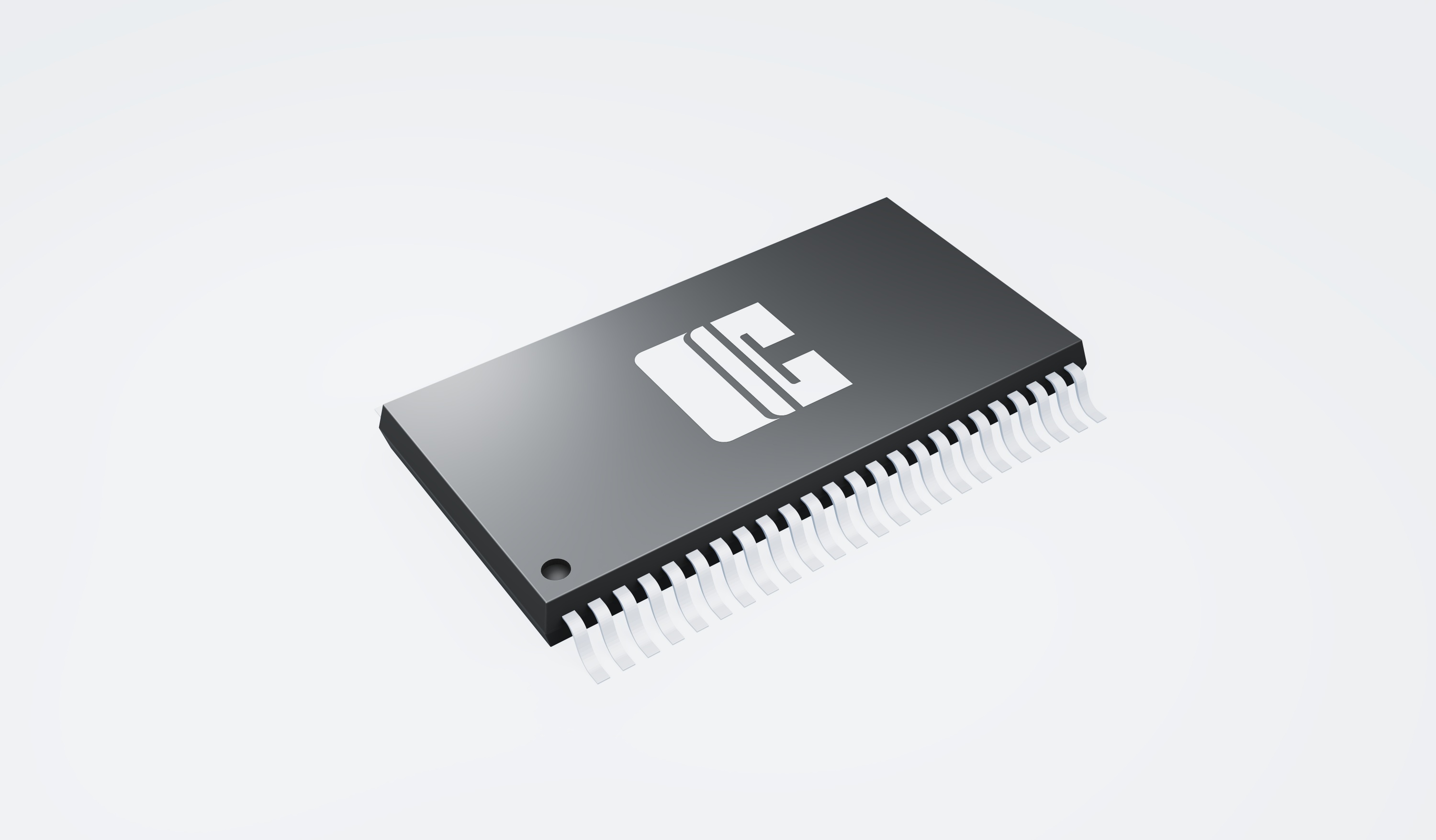
AiP74LVC/LVCH16244は、3ステートバス互換出力を備えた16ビット非反転バッファ/ラインドライバです。入力は3.3Vまたは5Vのどちらのデバイスからも駆動できます。この機能により、このデバイスは3.3Vと5Vが混在する環境で使用できます。
詳細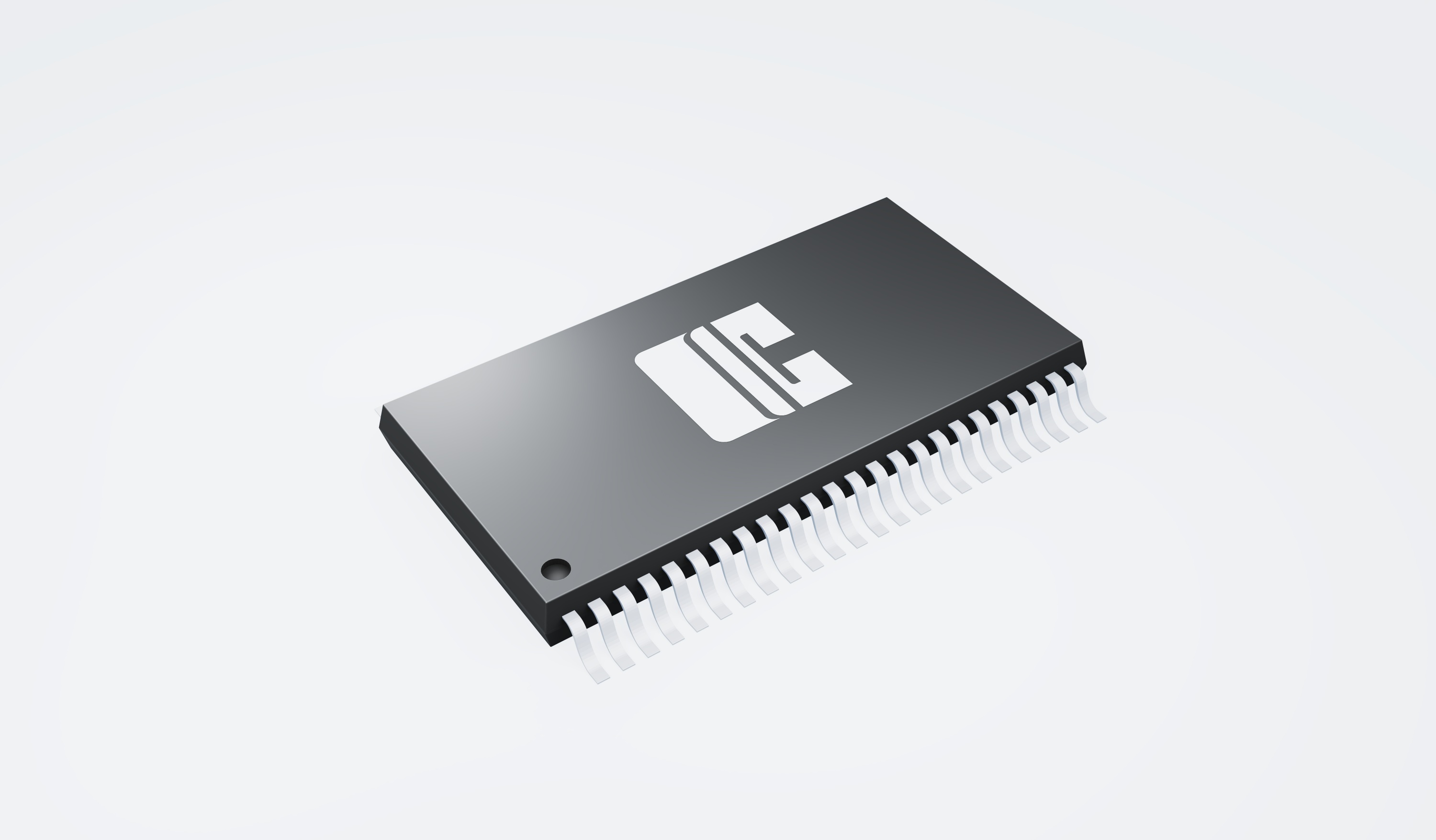
AiP74LVC/LVCH16244は、3ステートバス互換出力を備えた16ビット非反転バッファ/ラインドライバです。入力は3.3Vまたは5Vのどちらのデバイスからも駆動できます。この機能により、このデバイスは3.3Vと5Vが混在する環境で使用できます。
詳細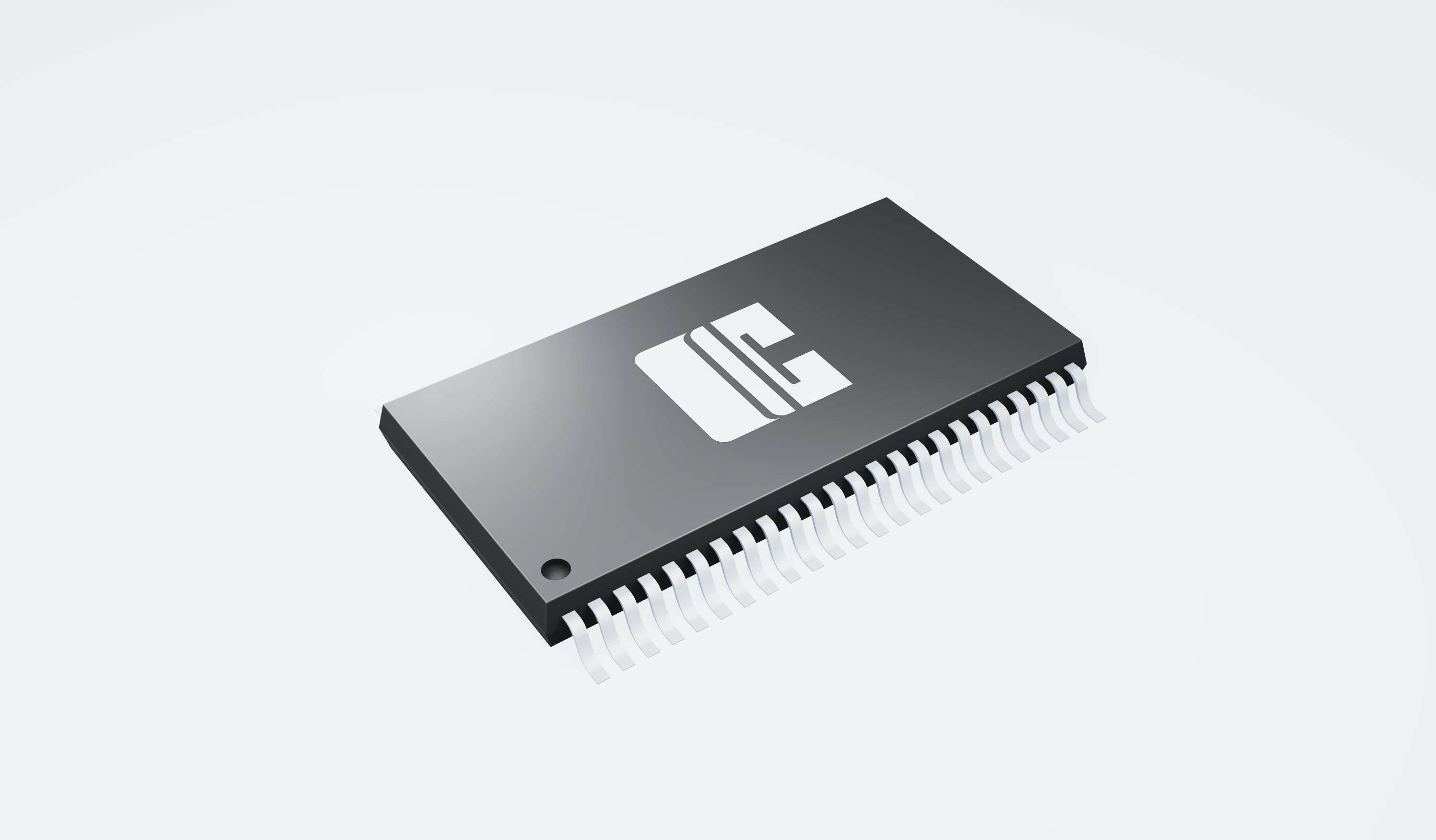
AiP74LVC/LVCH16245は、送受信両方向で非反転3ステートバス互換出力を備えた16ビットトランシーバーです。このデバイスは、カスケード接続を容易にするための2つの出力イネーブル(n)入力と、方向制御のための2つの送受信(nDIR)入力を備えています。nは出力を制御し、バスを効果的に分離します。 このデバイスは、8ビットトランシーバー2台、または16ビットトランシーバー1台として使用できます。入力は3.3Vまたは5Vのどちらのデバイスからも駆動できます。無効にした場合、出力には最大5.5Vを印加できます。これらの機能により、3.3Vと5Vが混在するアプリケーションでこのデバイスを使用できます。AiP74LVCH16245のデータ入力に対するバスホールド機能により、未使用の入力を保持するための外部プルアップ抵抗が不要になります。
詳細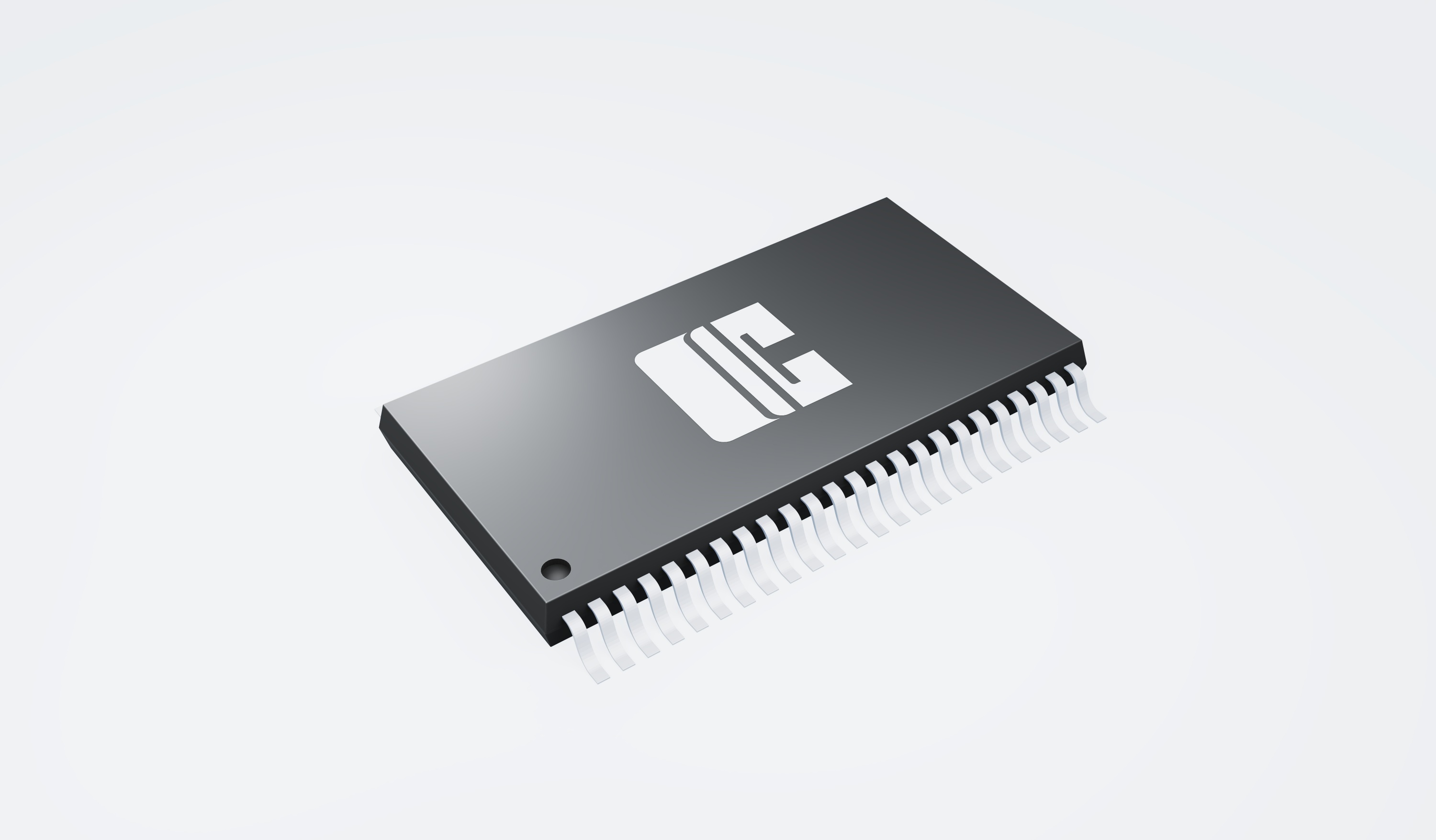
AiP74LVC/LVCH16245は、送受信両方向で非反転3ステートバス互換出力を備えた16ビットトランシーバーです。このデバイスは、カスケード接続を容易にするための2つの出力イネーブル(n)入力と、方向制御のための2つの送受信(nDIR)入力を備えています。nは出力を制御し、バスを効果的に分離します。 このデバイスは、8ビットトランシーバー2台、または16ビットトランシーバー1台として使用できます。入力は3.3Vまたは5Vのどちらのデバイスからも駆動できます。無効にした場合、出力には最大5.5Vを印加できます。これらの機能により、3.3Vと5Vが混在するアプリケーションでこのデバイスを使用できます。AiP74LVCH16245のデータ入力に対するバスホールド機能により、未使用の入力を保持するための外部プルアップ抵抗が不要になります。
詳細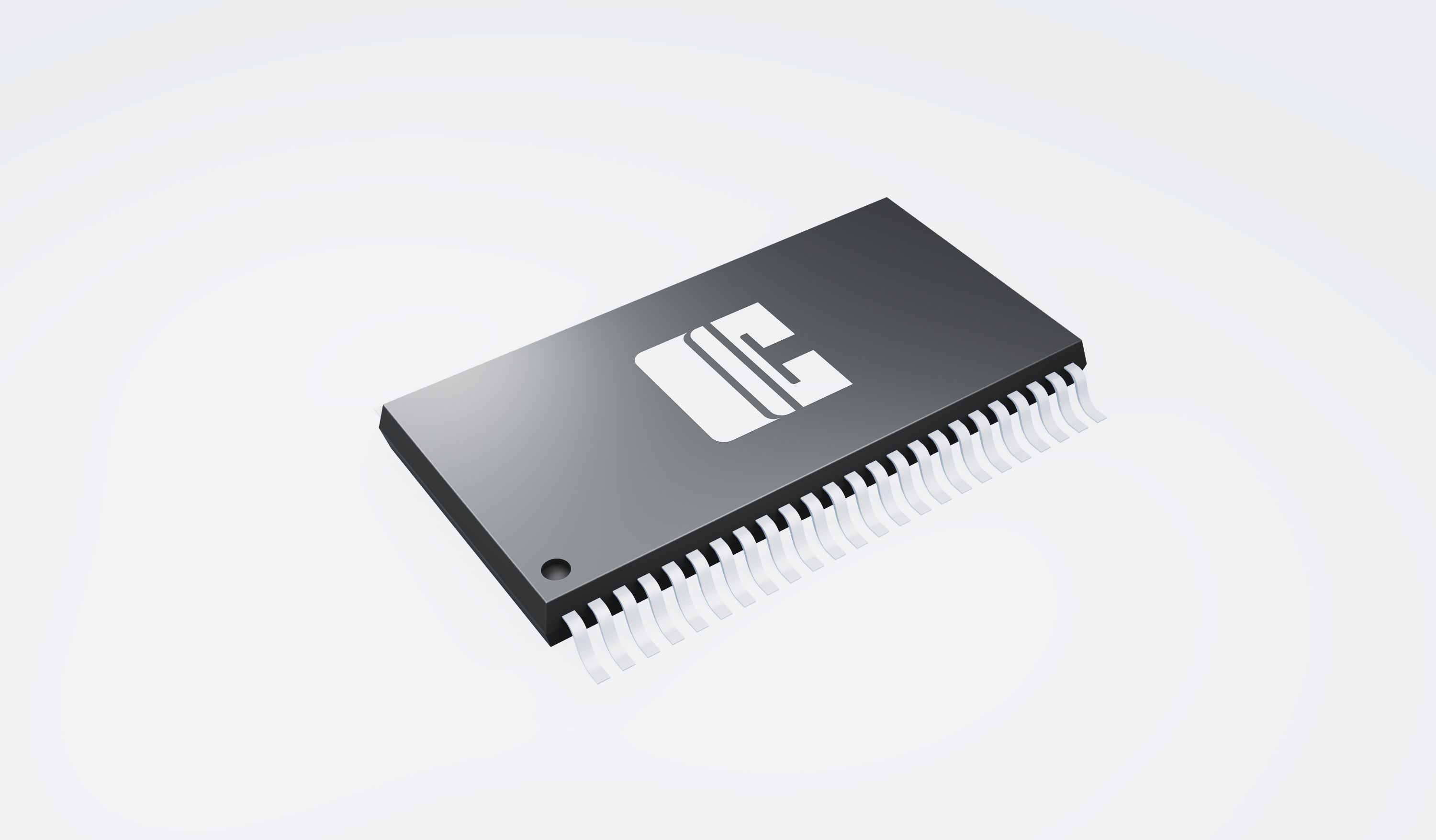
AiP74LVC/LVCH16373は、16ビットDタイプ透過型ラッチで、各ラッチにバスホールド機能(AiP74LVCH16373のみ)を備えた独立したDタイプ入力と、バス指向アプリケーション向けの3ステート出力を備えています。各オクタルには、1つのラッチイネーブル(LE)入力と1つの出力イネーブル()入力が用意されています。入力は3.3Vまたは5Vのデバイスから駆動できます。無効にすると、出力に最大5.5Vを印加できます。これらの機能により、これらのデバイスを3.3Vと5Vが混在するアプリケーションで使用できます。このデバイスは、3ステートの真出力を持つ8個のD型透過ラッチからなる2つのセクションで構成されています。LEがHIGHのとき、Dn入力のデータがラッチに入力されます。この状態では、ラッチは透過的であり、対応するD入力が変化するたびにラッチ出力が変化します。ラッチは、LEのHIGHからLOWへの遷移の1セットアップ時間(tsu)前にD入力に存在していた情報を記憶します。 LOW の場合、8 つのラッチの内容が出力で利用可能になります。 HIGH の場合、出力は高インピーダンス OFF 状態になります。 入力はラッチの状態に影響を与えません。データ入力のバスホールド機能により、未使用の入力を保持するための外部プルアップ抵抗が不要になります。
詳細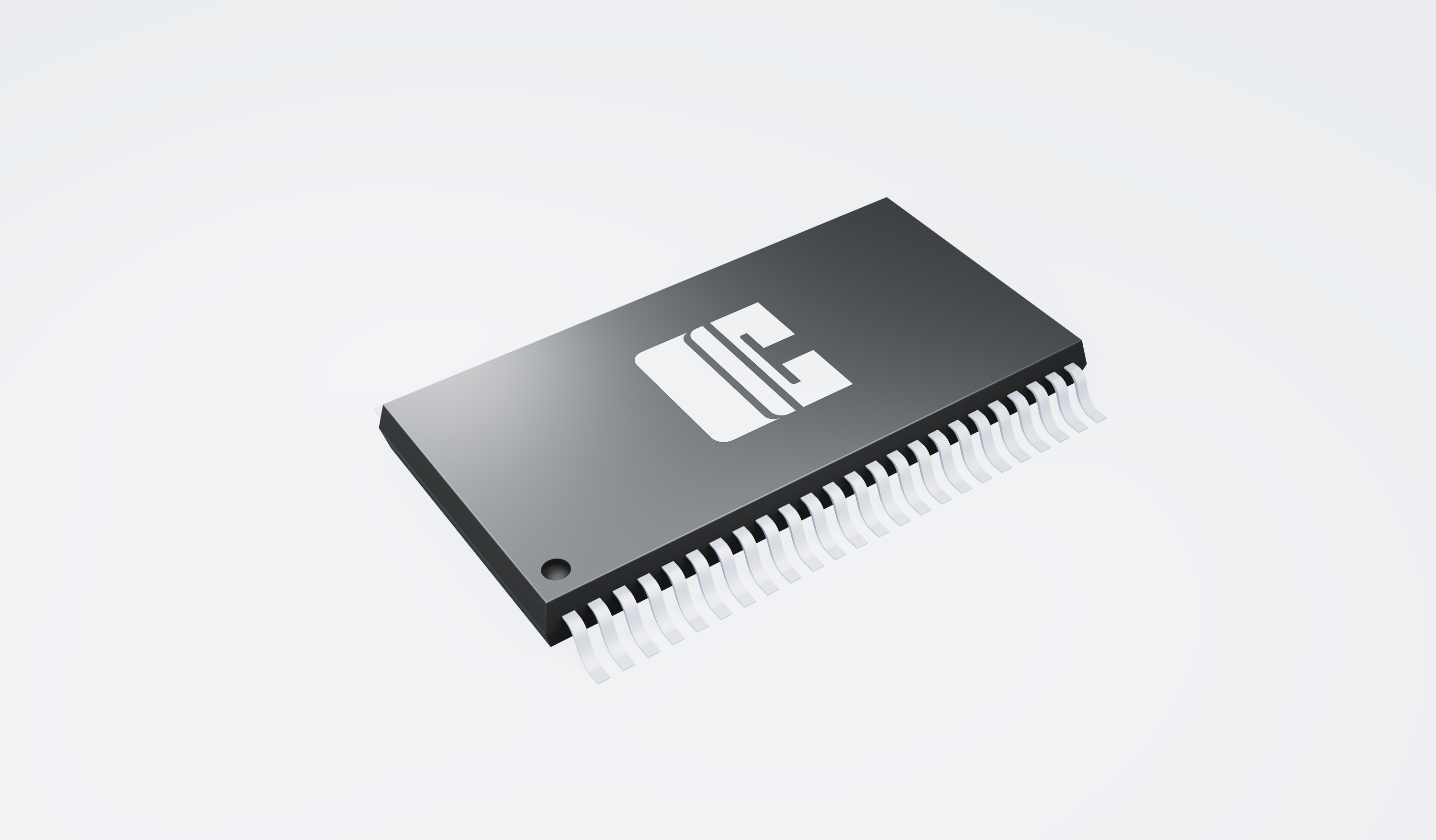
AiP74LVC/LVCH16373は、16ビットDタイプ透過型ラッチで、各ラッチにバスホールド機能(AiP74LVCH16373のみ)を備えた独立したDタイプ入力と、バス指向アプリケーション向けの3ステート出力を備えています。各オクタルには、1つのラッチイネーブル(LE)入力と1つの出力イネーブル()入力が用意されています。入力は3.3Vまたは5Vのデバイスから駆動できます。無効にすると、出力に最大5.5Vを印加できます。これらの機能により、これらのデバイスを3.3Vと5Vが混在するアプリケーションで使用できます。このデバイスは、3ステートの真出力を持つ8個のD型透過ラッチからなる2つのセクションで構成されています。LEがHIGHのとき、Dn入力のデータがラッチに入力されます。この状態では、ラッチは透過的であり、対応するD入力が変化するたびにラッチ出力が変化します。ラッチは、LEのHIGHからLOWへの遷移の1セットアップ時間(tsu)前にD入力に存在していた情報を記憶します。 LOW の場合、8 つのラッチの内容が出力で利用可能になります。 HIGH の場合、出力は高インピーダンス OFF 状態になります。 入力はラッチの状態に影響を与えません。データ入力のバスホールド機能により、未使用の入力を保持するための外部プルアップ抵抗が不要になります。
詳細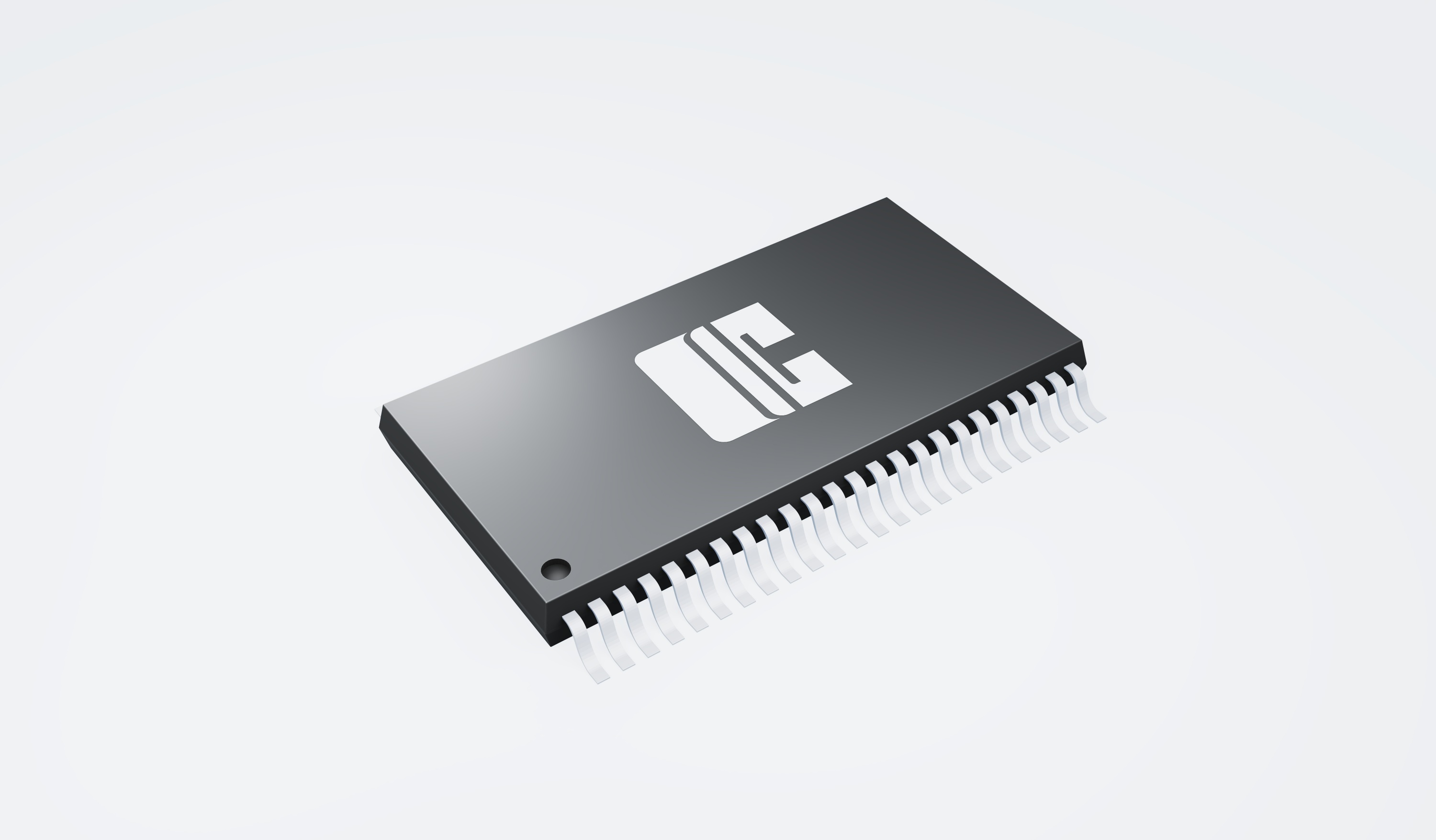
AiP74LVC/LVCH162373は、16ビットDタイプ透過型ラッチです。各ラッチにバスホールド機能(AiP74LVCH162373のみ)を備えた独立したDタイプ入力と、バス指向アプリケーション向けの3ステート出力を備えています。入力は3.3Vまたは5Vのどちらのデバイスからも駆動できます。この機能により、3.3Vと5Vが混在する環境でもこのデバイスを使用できます。
詳細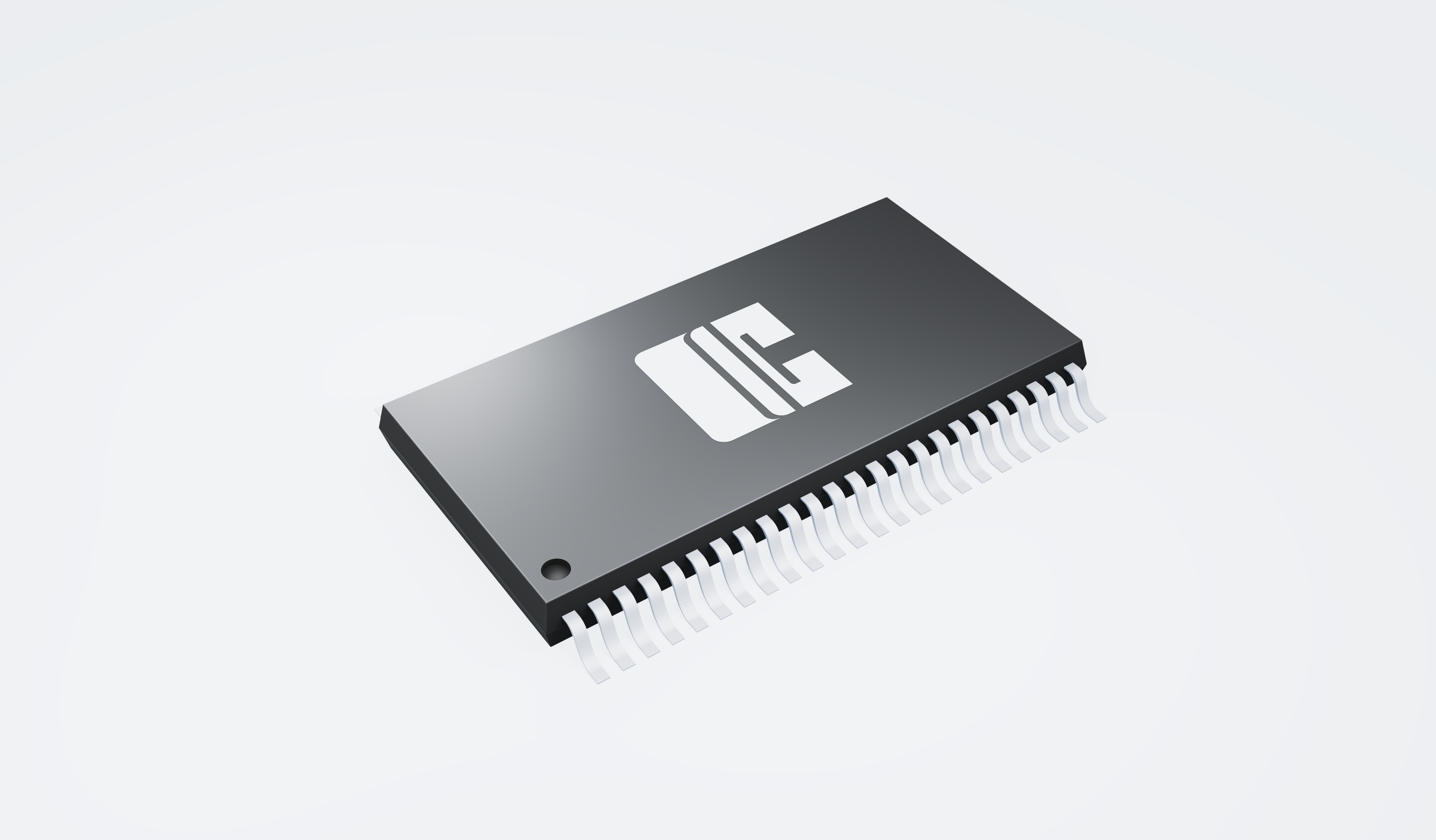
AiP74LVC/LVCH162373は、16ビットDタイプ透過型ラッチです。各ラッチにバスホールド機能(AiP74LVCH162373のみ)を備えた独立したDタイプ入力と、バス指向アプリケーション向けの3ステート出力を備えています。入力は3.3Vまたは5Vのどちらのデバイスからも駆動できます。この機能により、3.3Vと5Vが混在する環境でもこのデバイスを使用できます。
詳細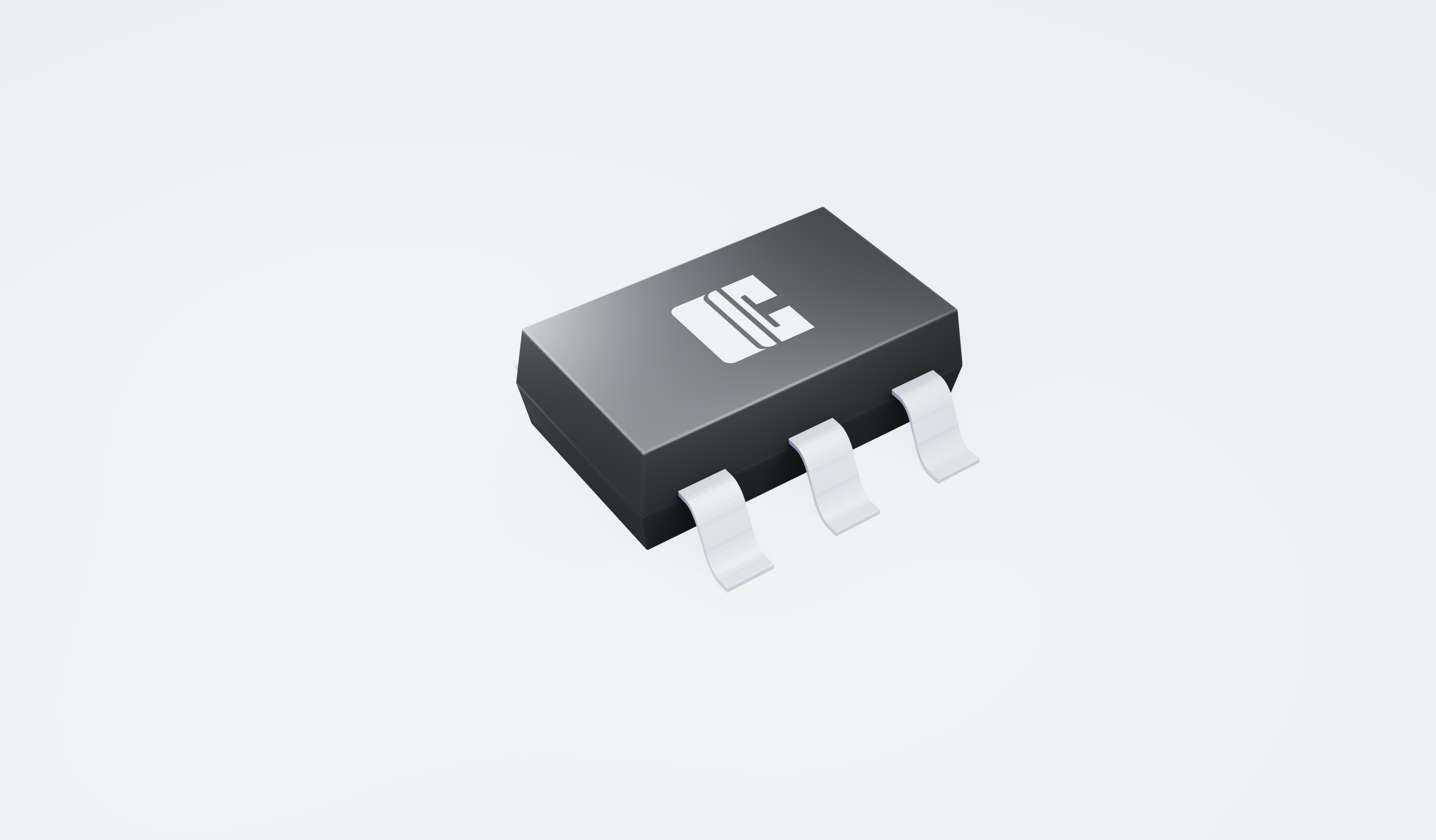
AiP74LVC1T45およびAiP74LVCH1T45は、双方向レベル変換を可能にする3ステート出力を備えたシングルビット、デュアル電源トランシーバーです。2つの1ビット入出力ポート(AおよびB)、方向制御入力(DIR)、およびデュアル電源ピン(VCC(A)およびVCC(B))を備えています。VCC(A)とVCC(B)はどちらも1.2V~5.5Vの任意の電圧で供給できるため、このデバイスは低電圧ノード(1.2V、1.5V、1.8V、2.5V、3.3V、5.0V)間の変換に適しています。ピンAおよびDIRはVCC(A)を基準とし、ピンBはVCC(B)を基準としています。DIRがHIGHの場合、AからBへの送信が可能になり、DIRがLOWの場合、BからAへの送信が可能になります。これらのデバイスは、IOFFを使用した部分的な電源オフアプリケーション向けに完全に仕様が定められています。IOFF回路は出力を無効にし、電源オフ時にデバイスを介した有害な逆流電流を防ぎます。サスペンドモードでは、VCC(A)またはVCC(B)のいずれかがGNDレベルの場合、AポートとBポートの両方が高インピーダンスのOFF状態になります。AiP74LVCH1T45に搭載されているアクティブバスホールド回路は、未使用またはフローティング状態のデータ入力を有効なロジックレベルで保持します。
詳細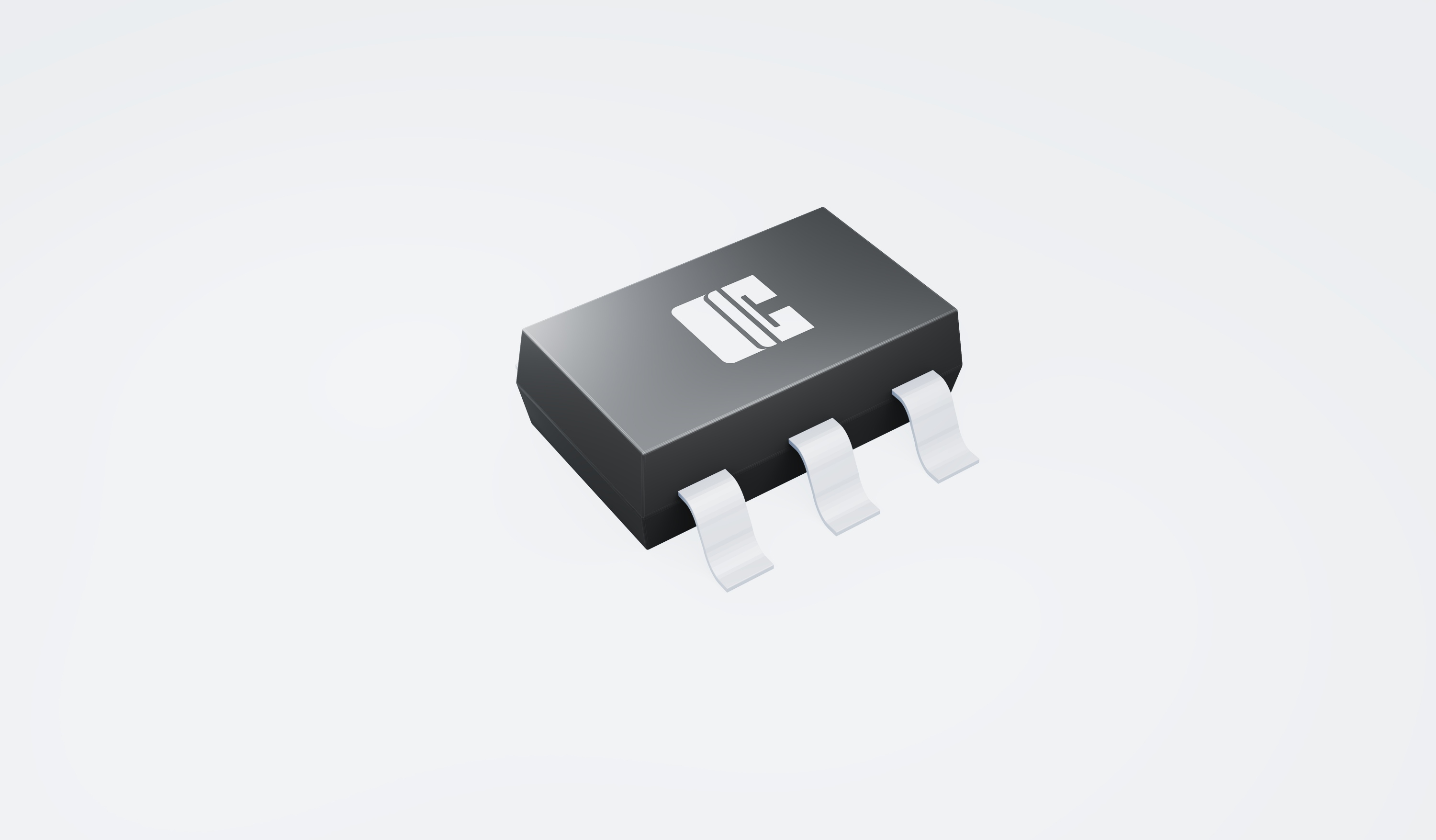
AiP74LVC1T45およびAiP74LVCH1T45は、双方向レベル変換を可能にする3ステート出力を備えたシングルビット、デュアル電源トランシーバーです。2つの1ビット入出力ポート(AおよびB)、方向制御入力(DIR)、およびデュアル電源ピン(VCC(A)およびVCC(B))を備えています。VCC(A)とVCC(B)はどちらも1.2V~5.5Vの任意の電圧で供給できるため、このデバイスは低電圧ノード(1.2V、1.5V、1.8V、2.5V、3.3V、5.0V)間の変換に適しています。ピンAおよびDIRはVCC(A)を基準とし、ピンBはVCC(B)を基準としています。DIRがHIGHの場合、AからBへの送信が可能になり、DIRがLOWの場合、BからAへの送信が可能になります。これらのデバイスは、IOFFを使用した部分的な電源オフアプリケーション向けに完全に仕様が定められています。IOFF回路は出力を無効にし、電源オフ時にデバイスを介した有害な逆流電流を防ぎます。サスペンドモードでは、VCC(A)またはVCC(B)のいずれかがGNDレベルの場合、AポートとBポートの両方が高インピーダンスのOFF状態になります。AiP74LVCH1T45に搭載されているアクティブバスホールド回路は、未使用またはフローティング状態のデータ入力を有効なロジックレベルで保持します。
詳細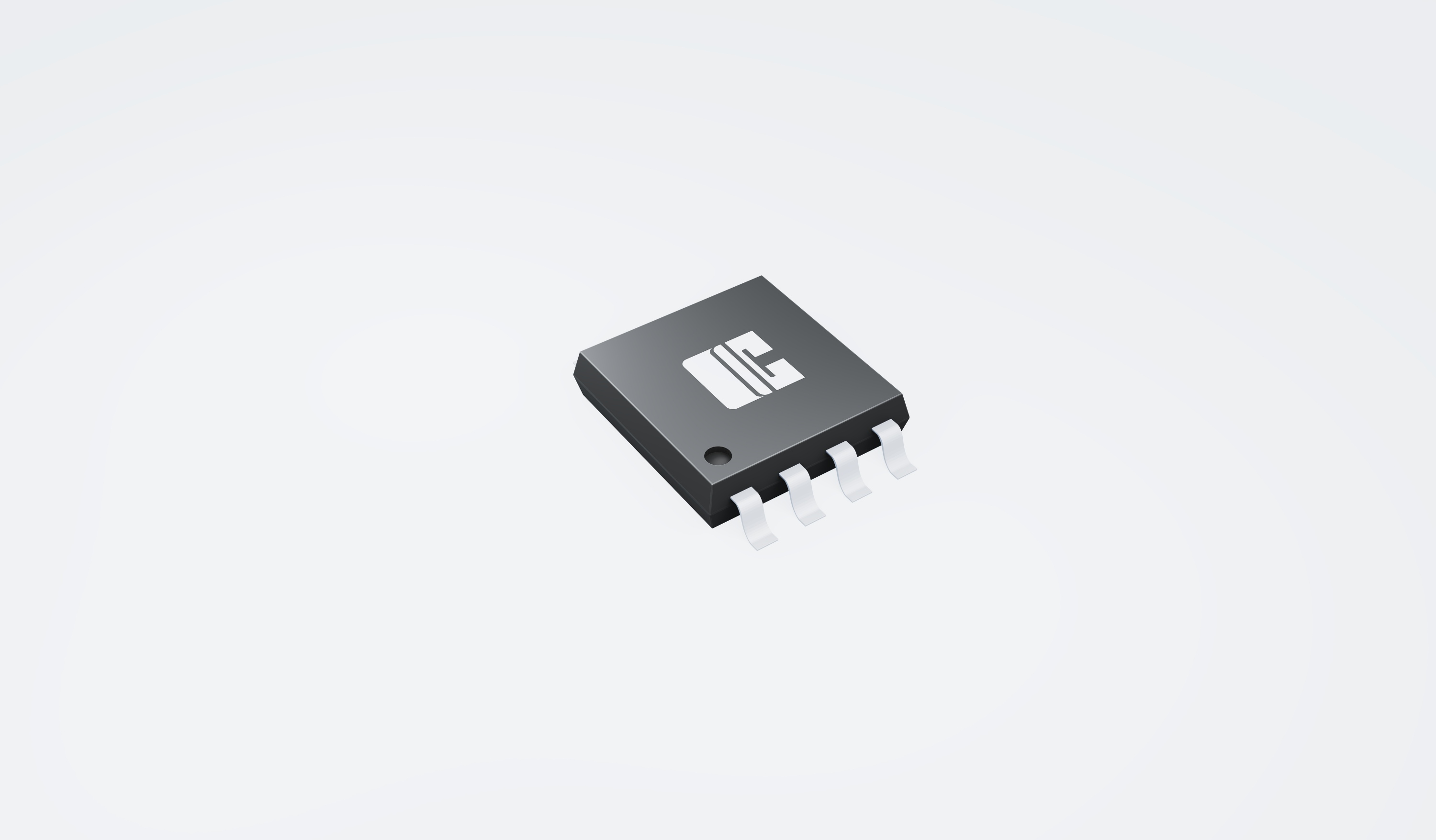
AiP74LVC2T45およびAiP74LVCH2T45は、双方向レベル変換を可能にする3ステート出力を備えたデュアルビット、デュアル電源の変換トランシーバです。2ビットの入出力ポート(nAおよびnB)、方向制御入力(DIR)、およびデュアル電源ピン(VCC(A)およびVCC(B))を備えています。VCC(A)とVCC(B)はどちらも1.2V~5.5Vの任意の電圧で供給できるため、このデバイスは低電圧ノード(1.2V、1.5V、1.8V、2.5V、3.3V、5.0V)間の変換に適しています。nAピンとDIRピンはVCC(A)を基準とし、nBピンはVCC(B)を基準としています。DIRピンがHIGHの場合、nAからnBへの送信が可能になり、DIRピンがLOWの場合、nBからnAへの送信が可能になります。これらのデバイスは、IOFFを使用した部分的な電源オフアプリケーション向けに完全に仕様が定められています。IOFF回路は出力を無効にし、電源オフ時にデバイスを介した有害な逆流電流を防ぎます。サスペンドモードでは、VCC(A)またはVCC(B)のいずれかがGNDレベルの場合、AポートとBポートの両方が高インピーダンスのOFF状態になります。AiP74LVCH2T45に搭載されているアクティブバスホールド回路は、未使用またはフローティング状態のデータ入力を有効なロジックレベルで保持します。
詳細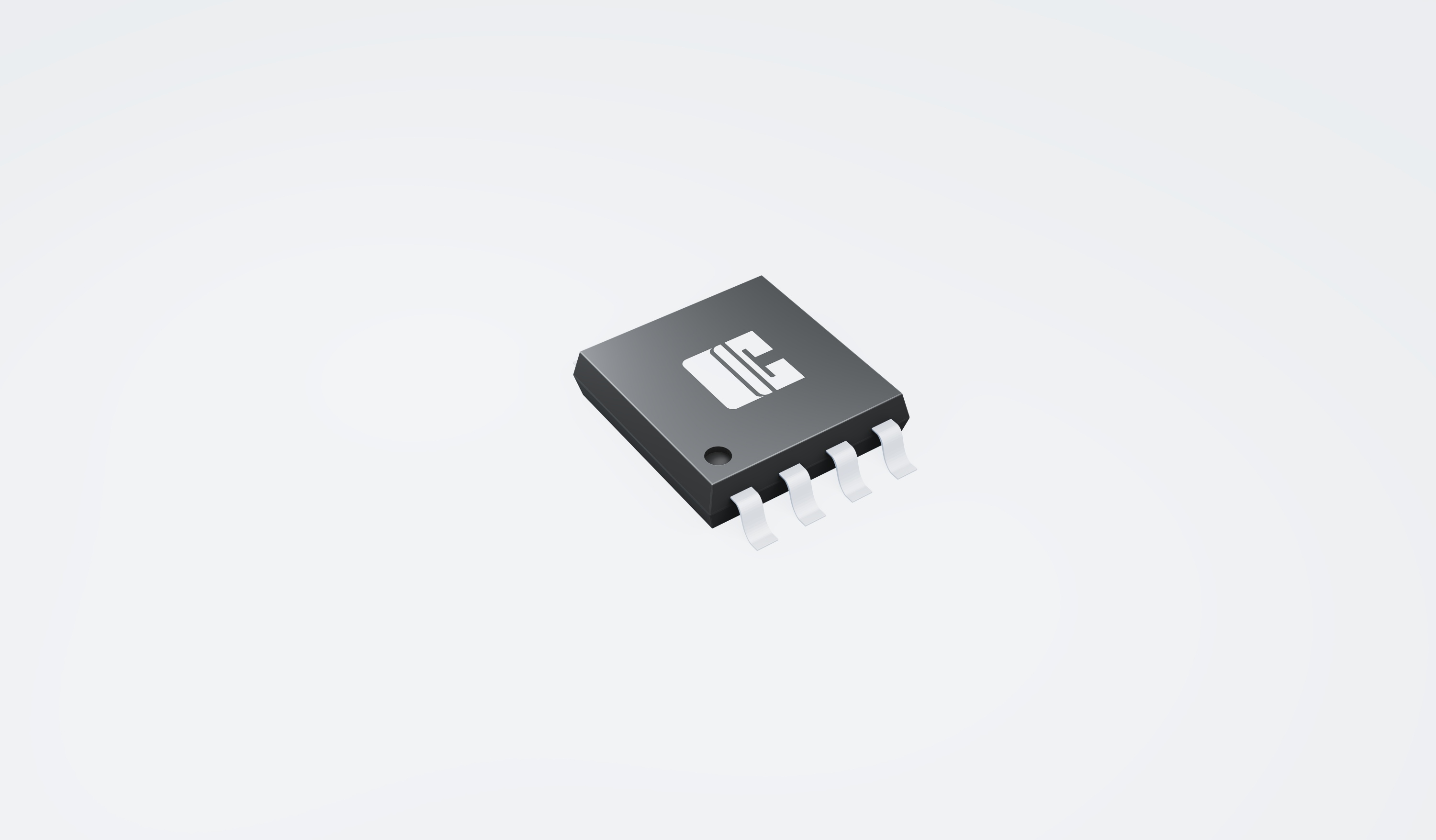
AiP74LVC2T45およびAiP74LVCH2T45は、双方向レベル変換を可能にする3ステート出力を備えたデュアルビット、デュアル電源の変換トランシーバです。2ビットの入出力ポート(nAおよびnB)、方向制御入力(DIR)、およびデュアル電源ピン(VCC(A)およびVCC(B))を備えています。VCC(A)とVCC(B)はどちらも1.2V~5.5Vの任意の電圧で供給できるため、このデバイスは低電圧ノード(1.2V、1.5V、1.8V、2.5V、3.3V、5.0V)間の変換に適しています。nAピンとDIRピンはVCC(A)を基準とし、nBピンはVCC(B)を基準としています。DIRピンがHIGHの場合、nAからnBへの送信が可能になり、DIRピンがLOWの場合、nBからnAへの送信が可能になります。これらのデバイスは、IOFFを使用した部分的な電源オフアプリケーション向けに完全に仕様が定められています。IOFF回路は出力を無効にし、電源オフ時にデバイスを介した有害な逆流電流を防ぎます。サスペンドモードでは、VCC(A)またはVCC(B)のいずれかがGNDレベルの場合、AポートとBポートの両方が高インピーダンスのOFF状態になります。AiP74LVCH2T45に搭載されているアクティブバスホールド回路は、未使用またはフローティング状態のデータ入力を有効なロジックレベルで保持します。
詳細
AiP74LVC2T45およびAiP74LVCH2T45は、双方向レベル変換を可能にする3ステート出力を備えたデュアルビット、デュアル電源の変換トランシーバです。2ビットの入出力ポート(nAおよびnB)、方向制御入力(DIR)、およびデュアル電源ピン(VCC(A)およびVCC(B))を備えています。VCC(A)とVCC(B)はどちらも1.2V~5.5Vの任意の電圧で供給できるため、このデバイスは低電圧ノード(1.2V、1.5V、1.8V、2.5V、3.3V、5.0V)間の変換に適しています。nAピンとDIRピンはVCC(A)を基準とし、nBピンはVCC(B)を基準としています。DIRピンがHIGHの場合、nAからnBへの送信が可能になり、DIRピンがLOWの場合、nBからnAへの送信が可能になります。これらのデバイスは、IOFFを使用した部分的な電源オフアプリケーション向けに完全に仕様が定められています。IOFF回路は出力を無効にし、電源オフ時にデバイスを介した有害な逆流電流を防ぎます。サスペンドモードでは、VCC(A)またはVCC(B)のいずれかがGNDレベルの場合、AポートとBポートの両方が高インピーダンスのOFF状態になります。AiP74LVCH2T45に搭載されているアクティブバスホールド回路は、未使用またはフローティング状態のデータ入力を有効なロジックレベルで保持します。
詳細
AiP74LVC/LVCH4T245は、双方向レベル変換を可能にする3ステート出力を備えた4ビットデュアル電源変換トランシーバです。このデバイスは、2つの2ビットトランシーバとして、または4ビットトランシーバとして使用できます。4つの2ビット入出力ポート(nAnとnBn)、方向制御入力(nDIR)、出力イネーブル入力(n)、およびデュアル電源ピン(VCC(A)とVCC(B))を備えています。VCC(A)とVCC(B)はどちらも1.2V~5.5Vの任意の電圧で供給できるため、このデバイスは低電圧ノード(1.2V、1.5V、1.8V、2.5V、3.3V、5.0V)間の変換に適しています。nAn、n、nDIRピンはVCC(A)を基準とし、nBnピンはVCC(B)を基準としています。 nDIRがHIGHの場合、nAnからnBnへの伝送が可能になり、nDIRがLOWの場合、nBnからnAnへの伝送が可能になります。出力イネーブル入力(n)を使用すると、出力を無効にしてバスを効果的に分離できます。これらのデバイスは、IOFFを使用した部分的な電源オフアプリケーション向けに完全に仕様が定められています。IOFF回路は出力を無効にし、電源オフ時にデバイスを介した有害な逆流電流を防ぎます。サスペンドモードでは、VCC(A)またはVCC(B)のいずれかがGNDレベルの場合、nAnポートとnBnポートの両方が高インピーダンスのOFF状態になります。 AiP74LVCH4T245に搭載されているアクティブバスホールド回路は、未使用またはフローティング状態のデータ入力を有効なロジックレベルで保持します。
詳細
AiP74LVC/LVCH4T774は、双方向レベル変換を可能にする4ビット、デュアル電源トランシーバです。8つの1ビット入出力ポート(AnとBn)、4つの方向制御入力(DIR1、DIR2、DIR3、DIR4)、出力イネーブル入力()、およびデュアル電源ピン(VCC(A)とVCC(B))を備えています。VCC(A)とVCC(B)はどちらも1.2V~5.5Vの任意の電圧で供給できるため、このデバイスは低電圧ノード(1.2V、1.5V、1.8V、2.5V、3.3V、5V)間の変換に適しています。ピンAn、 DIRnとDIRnはVCC(A)を基準とし、BnピンはVCC(B)を基準としています。DIRnがHIGHの場合、AnからBnへの伝送が可能になり、DIRnがLOWの場合、BnからAnへの伝送が可能になります。出力イネーブル入力()を使用すると、出力を無効にしてバスを効果的に分離できます。本デバイスは、IOFFを使用した部分的な電源オフアプリケーション向けに完全に仕様が定められています。IOFF回路は出力を無効にし、電源オフ時にデバイスを介した有害な逆流電流を防ぎます。サスペンドモードでは、VCC(A)またはVCC(B)のいずれかがGNDレベルの場合、AnとBnの両方が高インピーダンスのOFF状態になります。AiP74LVCH4T774に搭載されているアクティブバスホールド回路は、未使用またはフローティング状態のデータ入力を有効なロジックレベルで保持します。
詳細
AiP74LVC/LVCH4T774は、双方向レベル変換を可能にする4ビット、デュアル電源トランシーバです。8つの1ビット入出力ポート(AnとBn)、4つの方向制御入力(DIR1、DIR2、DIR3、DIR4)、出力イネーブル入力()、およびデュアル電源ピン(VCC(A)とVCC(B))を備えています。VCC(A)とVCC(B)はどちらも1.2V~5.5Vの任意の電圧で供給できるため、このデバイスは低電圧ノード(1.2V、1.5V、1.8V、2.5V、3.3V、5V)間の変換に適しています。ピンAn、 DIRnとDIRnはVCC(A)を基準とし、BnピンはVCC(B)を基準としています。DIRnがHIGHの場合、AnからBnへの伝送が可能になり、DIRnがLOWの場合、BnからAnへの伝送が可能になります。出力イネーブル入力()を使用すると、出力を無効にしてバスを効果的に分離できます。本デバイスは、IOFFを使用した部分的な電源オフアプリケーション向けに完全に仕様が定められています。IOFF回路は出力を無効にし、電源オフ時にデバイスを介した有害な逆流電流を防ぎます。サスペンドモードでは、VCC(A)またはVCC(B)のいずれかがGNDレベルの場合、AnとBnの両方が高インピーダンスのOFF状態になります。AiP74LVCH4T774に搭載されているアクティブバスホールド回路は、未使用またはフローティング状態のデータ入力を有効なロジックレベルで保持します。
詳細
AiP74LVC/LVCH8T245は、双方向レベル変換を可能にする3ステート出力を備えた8ビットデュアル電源変換トランシーバです。2つのデータ入出力ポート(ピンAnとBn)、方向制御入力(DIR)、出力イネーブル入力()、およびデュアル電源ピン(VCC(A)とVCC(B))を備えています。VCC(A)とVCC(B)はどちらも1.2V~5.5Vの任意の電圧で供給できるため、このデバイスは低電圧ノード(1.2V、1.5V、1.8V、2.5V、3.3V、5.0V)間の変換に適しています。ピンAn、 DIRピンはVCC(A)を基準とし、BnピンはVCC(B)を基準としています。DIRピンがHIGHの場合、AnからBnへの伝送が可能になり、DIRピンがLOWの場合、BnからAnへの伝送が可能になります。出力イネーブル入力()を使用すると、出力を無効にしてバスを効果的に分離できます。これらのデバイスは、IOFFを使用した部分的な電源オフアプリケーション向けに完全に仕様が定められています。IOFF回路は出力を無効にし、電源オフ時にデバイスを介した有害な逆流電流を防ぎます。サスペンドモードでは、VCC(A)またはVCC(B)のいずれかがGNDレベルの場合、AポートとBポートの両方が高インピーダンスのOFF状態になります。 AiP74LVCH8T245に搭載されているアクティブバスホールド回路は、未使用またはフローティング状態のデータ入力を有効なロジックレベルで保持します。
詳細
AiP74LVC/LVCH8T245は、双方向レベル変換を可能にする3ステート出力を備えた8ビットデュアル電源変換トランシーバです。2つのデータ入出力ポート(ピンAnとBn)、方向制御入力(DIR)、出力イネーブル入力()、およびデュアル電源ピン(VCC(A)とVCC(B))を備えています。VCC(A)とVCC(B)はどちらも1.2V~5.5Vの任意の電圧で供給できるため、このデバイスは低電圧ノード(1.2V、1.5V、1.8V、2.5V、3.3V、5.0V)間の変換に適しています。ピンAn、 DIRピンはVCC(A)を基準とし、BnピンはVCC(B)を基準としています。DIRピンがHIGHの場合、AnからBnへの伝送が可能になり、DIRピンがLOWの場合、BnからAnへの伝送が可能になります。出力イネーブル入力()を使用すると、出力を無効にしてバスを効果的に分離できます。これらのデバイスは、IOFFを使用した部分的な電源オフアプリケーション向けに完全に仕様が定められています。IOFF回路は出力を無効にし、電源オフ時にデバイスを介した有害な逆流電流を防ぎます。サスペンドモードでは、VCC(A)またはVCC(B)のいずれかがGNDレベルの場合、AポートとBポートの両方が高インピーダンスのOFF状態になります。 AiP74LVCH8T245に搭載されているアクティブバスホールド回路は、未使用またはフローティング状態のデータ入力を有効なロジックレベルで保持します。
詳細
AiP74LVC/LVCH16T245は、双方向レベル変換を可能にする3ステート出力を備えた16ビットデュアル電源変換トランシーバです。このデバイスは、2つの8ビットトランシーバとして、または1つの16ビットトランシーバとして使用できます。電圧変換用のデュアル電源(VCC(A)とVCC(B))と、それぞれ出力イネーブル(n)と方向制御用の送受信(nDIR)入力を備えた4つの8ビット入出力ポート(nAnとnBn)があります。VCC(A)とVCC(B)はどちらも1.2V~5.5Vの任意の電圧で供給できるため、このデバイスは低電圧ノード(1.2V、1.5V、1.8V、2.5V、3.3V、5.0V)間の変換に適しています。ピンnAn、n、nDIRはVCC(A)を基準とし、ピンnBnはVCC(B)を基準としています。nDIRがHIGHの場合、nAnからnBnへの伝送が可能になり、nDIRがLOWの場合、nBnからnAnへの伝送が可能になります。出力イネーブル入力(n)を使用すると、出力を無効にしてバスを効果的に分離できます。これらのデバイスは、IOFFを使用した部分的な電源オフアプリケーション向けに完全に仕様が定められています。IOFF回路は出力を無効にし、電源オフ時にデバイスを介した有害な逆流電流を防ぎます。サスペンドモードでは、VCC(A)またはVCC(B)のいずれかがGNDレベルの場合、nAnポートとnBnポートの両方が高インピーダンスのOFF状態になります。 AiP74LVCH16T245に搭載されているアクティブバスホールド回路は、未使用またはフローティング状態のデータ入力を有効なロジックレベルで保持します。
詳細
AiP74LVC/LVCH16T245は、双方向レベル変換を可能にする3ステート出力を備えた16ビットデュアル電源変換トランシーバです。このデバイスは、2つの8ビットトランシーバとして、または1つの16ビットトランシーバとして使用できます。電圧変換用のデュアル電源(VCC(A)とVCC(B))と、方向制御用の出力イネーブル(n)と送受信(nDIR)入力を備えた4つの8ビット入出力ポート(nAnとnBn)があります。VCC(A)とVCC(B)はどちらも1.2V~5.5Vの任意の電圧で供給できるため、このデバイスは低電圧ノード(1.2V、1.5V、1.8V、2.5V、3.3V、5.0V)間の変換に適しています。ピンnAn、n、nDIRはVCC(A)を基準とし、ピンnBnはVCC(B)を基準としています。nDIRがHIGHの場合、nAnからnBnへの伝送が可能になり、nDIRがLOWの場合、nBnからnAnへの伝送が可能になります。出力イネーブル入力(n)を使用すると、出力を無効にしてバスを効果的に分離できます。これらのデバイスは、IOFFを使用した部分的な電源オフアプリケーション向けに完全に仕様が定められています。IOFF回路は出力を無効にし、電源オフ時にデバイスを介した有害な逆流電流を防ぎます。サスペンドモードでは、VCC(A)またはVCC(B)のいずれかがGNDレベルの場合、nAnポートとnBnポートの両方が高インピーダンスのOFF状態になります。 AiP74LVCH16T245に搭載されているアクティブバスホールド回路は、未使用またはフローティング状態のデータ入力を有効なロジックレベルで保持します。
詳細
AiP74ALVC164245は、高性能、低消費電力、低電圧のSiゲートCMOSデバイスであり、ほとんどの先進的なCMOS互換TTLファミリよりも優れています。AiP74ALVC164245は、16ビット(デュアルオクタル)デュアル電源トランスレーティングトランシーバーで、送受信両方向で非反転3ステートバス互換出力を備えています。3Vと5Vが混在する電源環境において、3Vと5Vのバス間のインターフェースとして設計されています。このデバイスは、8ビットトランシーバー2台、または16ビットトランシーバー1台として使用できます。方向制御入力(1DIRおよび2DIR)は、データフローの方向を決定します。nDIR(アクティブHIGH)は、nAnポートからnBnポートへのデータを有効にします。nDIR(アクティブLOW)は、nBnポートからnAnポートへのデータを有効にします。出力イネーブル入力(1および2)がHIGHの場合、nAnポートとnBnポートの両方を高インピーダンスのOFF状態にすることで無効にします。ピンnAn、n、およびnDIRはVCC(A)を基準とし、ピンnBnはVCC(B)を基準としています。サスペンドモードでは、いずれかの電源電圧がゼロの場合、ゼロでない電源からゼロ電源への電流の流れはありません。nAn出力は3ステートに設定し、Aバスの電圧はVdiode(標準値0.7V)より小さくする必要があります。VCC(B)≥VCC(A)(サスペンドモードを除く)。
詳細
AiP74ALVC/ALVCH162374は、3ステート出力の16ビットエッジトリガD型フリップフロップです。入力は3.3Vまたは5Vのどちらのデバイスからも駆動できます。この機能により、このデバイスは3.3Vと5Vが混在する環境で使用できます。
詳細
AiP74ALVC/ALVCH162374は、3ステート出力の16ビットエッジトリガD型フリップフロップです。入力は3.3Vまたは5Vのどちらのデバイスからも駆動できます。この機能により、このデバイスは3.3Vと5Vが混在する環境で使用できます。
詳細
AiP74LVT244/LVTH244は、バスラインの駆動に最適な8ビットバッファです。このデバイスは2つの出力イネーブル(1、2)を備えており、それぞれが3ステート出力のうち4つを制御します。
詳細
AiP74LVT244/LVTH244は、バスラインの駆動に最適な8ビットバッファです。このデバイスは2つの出力イネーブル(1、2)を備えており、それぞれが3ステート出力のうち4つを制御します。
詳細
AiP74LVT245およびAiP74LVTH245は、送受信両方向で非反転3ステートバス互換出力を備えた8ビットトランシーバです。制御機能の実装により、外部タイミング要件を最小限に抑えています。カスケード接続を容易にするための出力イネーブル()入力と、方向制御のための方向(DIR)入力を備えています。
詳細
このデバイスは、バスラインの駆動に最適な8ビットバッファです。このデバイスは2つの出力イネーブルを備えています。 (1、2)それぞれが3状態出力の4つを制御する。AiP74LVT2244は、出力のHIGH状態とLOW状態の両方に直列抵抗を備えるように設計されています。この設計により、メモリアドレスドライバ、クロックドライバ、バスレシーバ/トランスミッタなどのアプリケーションにおけるラインノイズが低減されます。
詳細
このデバイスは、送受信両方向で非反転3ステートバス互換出力を備えた8ビットトランシーバーです。制御機能の実装により、外部タイミング要件を最小限に抑えています。このデバイスは、カスケード接続を容易にするための出力イネーブル入力()と、方向制御のための方向入力(DIR)を備えています。AiP74LVT/LVTH2245は、出力のHIGH状態とLOW状態の両方に直列抵抗を備えるように設計されています。この設計により、メモリアドレスドライバ、クロックドライバ、バストランシーバ、トランスミッタなどのアプリケーションにおけるラインノイズが低減されます。
詳細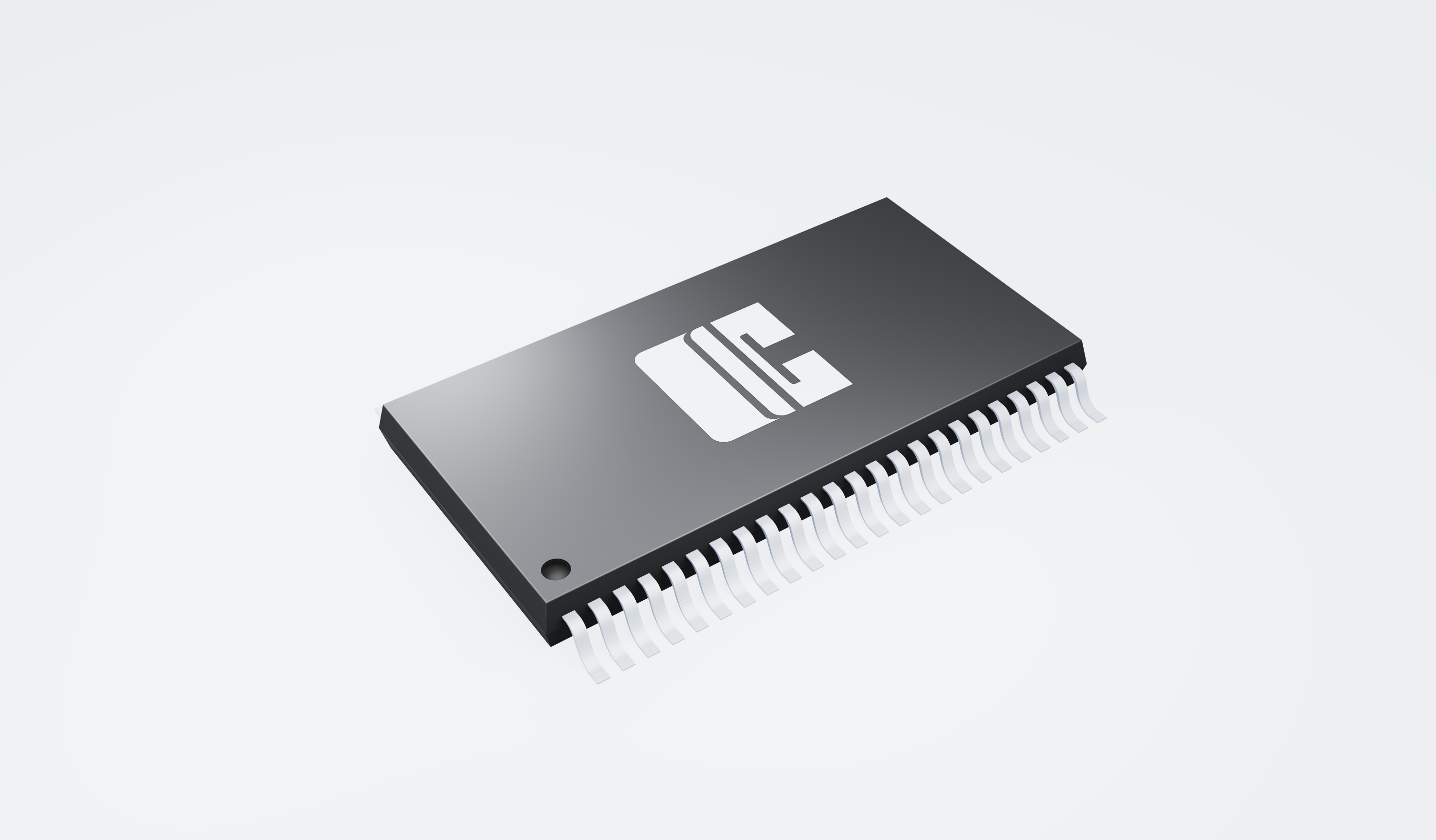
AiP74LVT16244およびAiP74LVTH16244は、非反転3ステートバス出力を備えた16ビットバッファおよびラインドライバです。このデバイスは、4つの4ビットバッファ、2つの8ビットバッファ、または1つの16ビットバッファとして使用できます。
詳細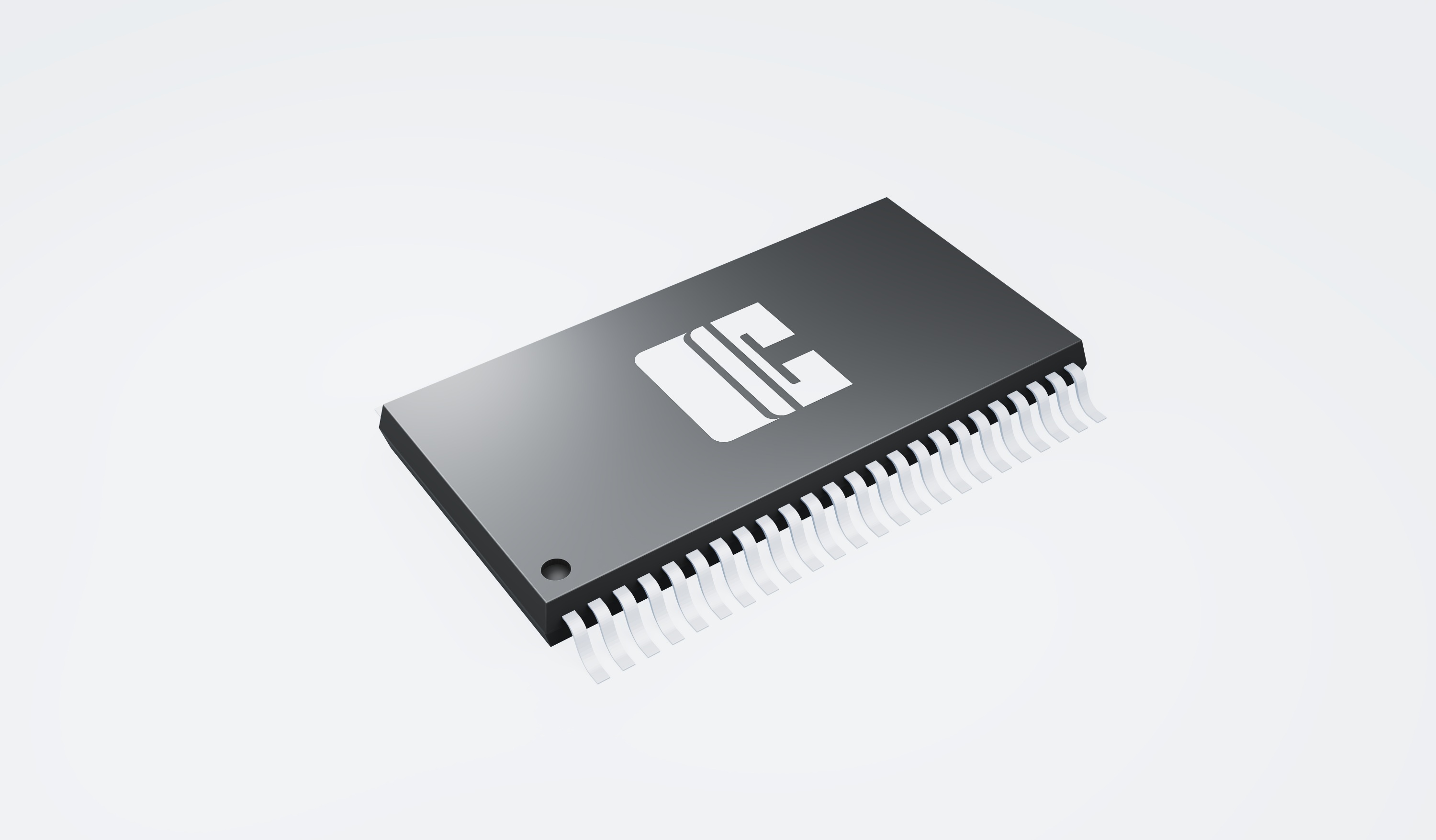
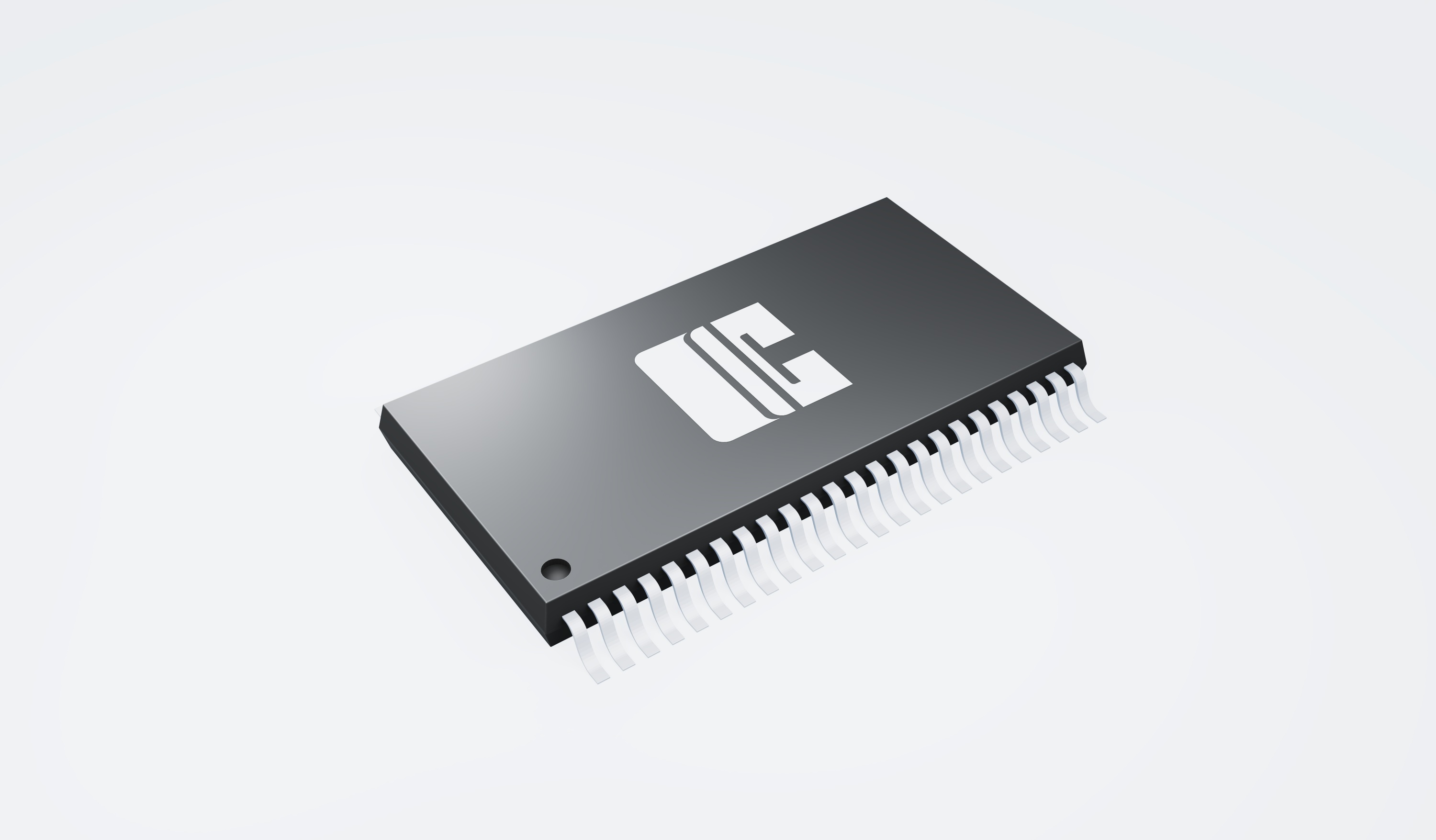
AiP74LVT16244およびAiP74LVTH16244は、非反転3ステートバス出力を備えた16ビットバッファおよびラインドライバです。このデバイスは、4つの4ビットバッファ、2つの8ビットバッファ、または1つの16ビットバッファとして使用できます。
詳細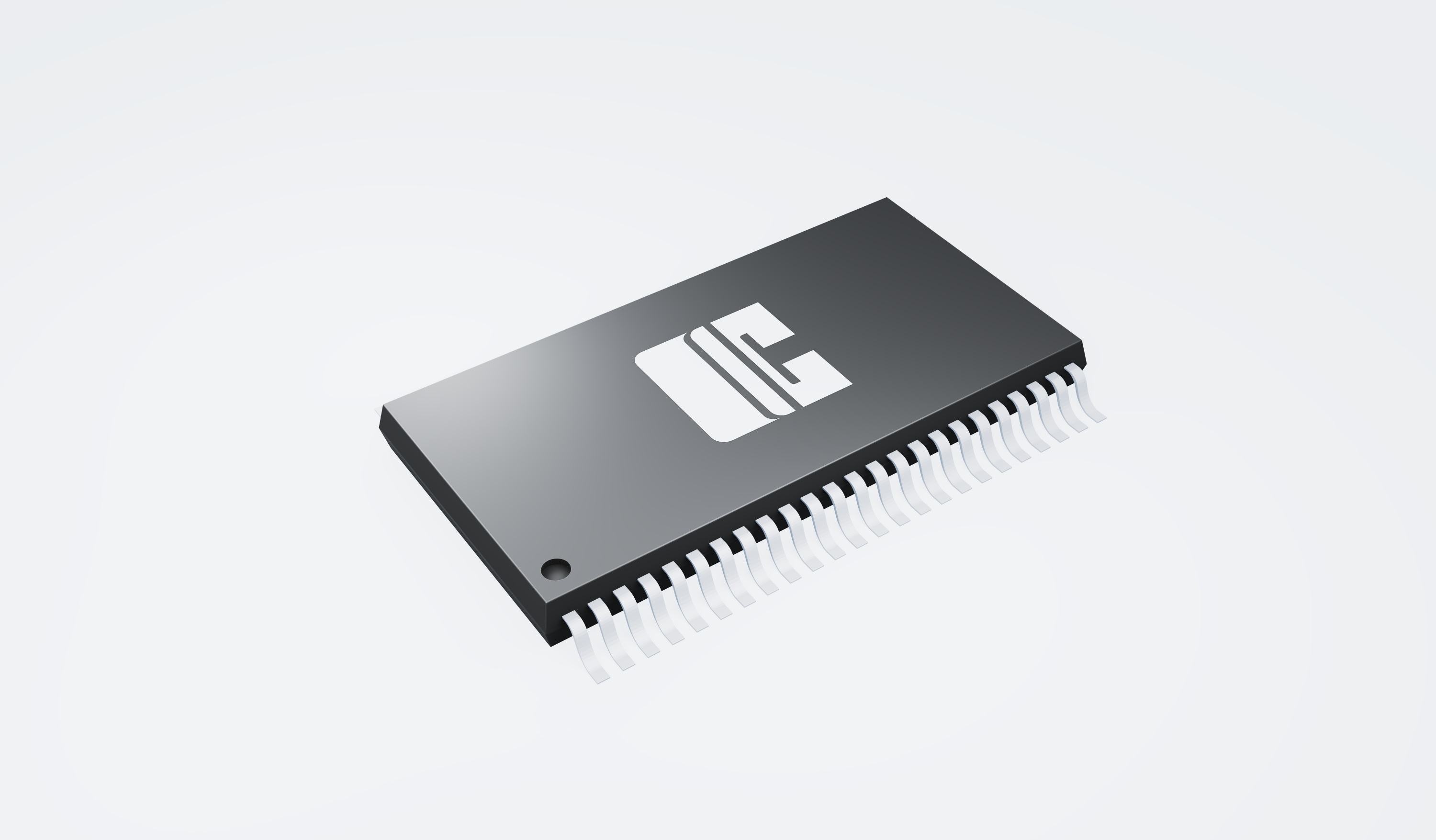
AiP74LVT16245およびAiP74LVTH16245は、3.3VのVCC動作向けに設計された高性能BiCMOS製品です。このデバイスは、送受信両方向において非反転3ステートバス互換出力を備えた16ビットトランシーバーです。制御機能の実装により、外部タイミング要件を最小限に抑えています。カスケード接続を容易にするための出力イネーブル入力(n)と、方向制御のための方向入力(nDIR)を備えています。
詳細
AiP74LVT16245およびAiP74LVTH16245は、3.3VのVCC動作向けに設計された高性能BiCMOS製品です。このデバイスは、送受信両方向において非反転3ステートバス互換出力を備えた16ビットトランシーバーです。制御機能の実装により、外部タイミング要件を最小限に抑えています。カスケード接続を容易にするための出力イネーブル入力(n)と、方向制御のための方向入力(nDIR)を備えています。
詳細
AiP74LVT16373は、3.3VのVCC動作向けに設計された高性能BiCMOS製品です。このデバイスは、非反転3ステートバス互換出力を備えた16ビット透過型Dタイプラッチです。このデバイスは、2つの8ビットラッチ、または1つの16ビットラッチとして使用できます。ラッチイネーブル(LE)入力がHIGHの場合、Q出力はデータ(D)入力に追従します。ラッチイネーブルがLOWの場合、Q出力はHIGHからLOWへの遷移の1セットアップ時間前にD入力のレベルにラッチされます。
詳細
AiP74LVT16374およびAiP74LVTH16374は、3.3VのVCC動作向けに設計された高性能BiCMOS製品です。このデバイスは、非反転3ステート出力を備えた16ビットエッジトリガD型フリップフロップです。このデバイスは、2つの8ビットフリップフロップとして、または1つの16ビットフリップフロップとして使用できます。クロックの正遷移(nCP)時に、フリップフロップのnQn出力は、nDn入力で設定された論理レベルになります。
詳細
AiP74LVT16374およびAiP74LVTH16374は、3.3VのVCC動作向けに設計された高性能BiCMOS製品です。このデバイスは、非反転3ステート出力を備えた16ビットエッジトリガD型フリップフロップです。このデバイスは、2つの8ビットフリップフロップとして、または1つの16ビットフリップフロップとして使用できます。クロックの正遷移(nCP)時に、フリップフロップのnQn出力は、nDn入力で設定された論理レベルになります。
詳細
AiP74ACT74は、個別のデータ(nD)入力、クロック(nCP)入力を備えたデュアルエッジトリガDタイプフリップフロップです。 入力、セット入力(nS-D)と(nR-D)、および相補的な出力nQとnQ-出力。セットとレストは非同期アクティブLOW入力であり、クロック入力とは独立して動作する。データ入力の情報は、クロックのLOWからHIGHへの遷移時にnQ出力に転送される。 パルス。予測可能な動作のためには、nD入力はLOWからHIGHへのクロック遷移の1セットアップ時間前に安定している必要があります。
詳細
AiP74AVC2T45は、双方向レベル変換を可能にするデュアルビット、デュアル電源トランシーバです。2つのデータ入出力ポート(nAとnB)、方向制御入力(DIR)、およびデュアル電源ピン(VCC(A)とVCC(B))を備えています。VCC(A)とVCC(B)はどちらも0.8V~3.6Vの任意の電圧で供給できるため、このデバイスは低電圧ノード(0.8V、1.2V、1.5V、1.8V、2.5V、3.3V)間の変換に適しています。nAピンとDIRピンはVCC(A)を基準とし、nBピンはVCC(B)を基準としています。DIRピンがHIGHの場合、nAからnBへの送信が可能になり、DIRピンがLOWの場合、nBからnAへの送信が可能になります。本デバイスは、IOFFを使用した部分的な電源オフアプリケーション向けに完全に仕様が定められています。IOFF回路は出力を無効にし、電源オフ時にデバイスを介した有害な逆流電流を防ぎます。サスペンドモードでは、VCC(A)またはVCC(B)のいずれかがGNDレベルの場合、AとBの両方が高インピーダンスのOFF状態になります。
詳細
AiP74AVCH2T45は、双方向レベル変換が可能なデュアルビット、デュアル電源トランシーバです。2つのデータ入出力ポート(nAとnB)、方向制御入力(DIR)、およびデュアル電源ピン(VCC(A)とVCC(B))を備えています。VCC(A)とVCC(B)はどちらも0.8V~3.6Vの任意の電圧で供給できるため、このデバイスは低電圧ノード(0.8V、1.2V、1.5V、1.8V、2.5V、3.3V)間の変換に適しています。nAピンとDIRピンはVCC(A)を基準とし、nBピンはVCC(B)を基準としています。DIRピンがHIGHの場合、nAからnBへの伝送が可能になり、DIRピンがLOWの場合、nBからnAへの伝送が可能になります。本デバイスは、IOFFを使用した部分的な電源オフアプリケーション向けに完全に仕様が定められています。IOFF回路は出力を無効にし、電源オフ時にデバイスを介した有害な逆流電流を防ぎます。サスペンドモードでは、VCC(A)またはVCC(B)のいずれかがGNDレベルの場合、AとBの両方が高インピーダンスのOFF状態になります。AiP74AVCH2T45は、未使用またはフローティング状態のデータ入力を有効なロジックレベルで保持するためのアクティブバスホールド回路を備えています。この機能により、外部プルアップ抵抗やプルダウン抵抗が不要になります。
詳細
AiP74AVC4T245は、双方向レベル変換が可能な4ビット、デュアル電源トランシーバです。このデバイスは、2つの2ビットトランシーバとして、または4ビットトランシーバとして使用できます。4つの2ビット入出力ポート(nAnとnBn)、方向制御入力(nDIR)、出力イネーブル入力(n)、およびデュアル電源ピン(VCC(A)とVCC(B))を備えています。VCC(A)とVCC(B)はどちらも0.8V~3.6Vの任意の電圧で供給できるため、このデバイスは低電圧ノード(0.8V、1.2V、1.5V、1.8V、2.5V、3.3V)間の変換に適しています。nAn、n、nDIRピンはVCC(A)を基準とし、nBnピンはVCC(B)を基準としています。 nDIRがHIGHの場合、nAnからnBnへの伝送が可能になり、nDIRがLOWの場合、nBnからnAnへの伝送が可能になります。出力イネーブル入力(n)を使用すると、出力を無効にしてバスを効果的に分離できます。本デバイスは、IOFFを使用した部分的な電源オフアプリケーション向けに完全に仕様が定められています。IOFF回路は出力を無効にし、電源オフ時にデバイスを介した有害な逆流電流を防ぎます。サスペンドモードでは、VCC(A)またはVCC(B)のいずれかがGNDレベルの場合、nAnとnBnの両方が高インピーダンスのOFF状態になります。
詳細
AiP74AVCH4T245は、双方向レベル変換が可能な4ビット、デュアル電源トランシーバです。このデバイスは、2つの2ビットトランシーバとして、または4ビットトランシーバとして使用できます。2つの2ビット入出力ポート(nAnとnBn)、方向制御入力(nDIR)、出力イネーブル入力(n)、およびデュアル電源ピン(VCC(A)とVCC(B))を備えています。VCC(A)とVCC(B)はどちらも0.8V~3.6Vの任意の電圧で供給できるため、このデバイスは低電圧ノード(0.8V、1.2V、1.5V、1.8V、2.5V、3.3V)間の変換に適しています。nAn、n、nDIRピンはVCC(A)を基準とし、nBnピンはVCC(B)を基準としています。 nDIRがHIGHの場合、nAnからnBnへの伝送が可能になり、nDIRがLOWの場合、nBnからnAnへの伝送が可能になります。出力イネーブル入力(n)を使用すると、出力を無効にしてバスを効果的に分離できます。AiP74AVCH4T245は、未使用またはフローティング状態のデータ入力を有効なロジックレベルで保持するためのアクティブバスホールド回路を備えています。この機能により、外部プルアップ抵抗やプルダウン抵抗が不要になります。
詳細
AiP74AVC4T774は、双方向レベル変換を可能にする4ビット、デュアル電源トランシーバです。8つの1ビット入出力ポート(AnとBn)、4つの方向制御入力(DIR1、DIR2、DIR3、DIR4)、出力イネーブル入力()、およびデュアル電源ピン(VCC(A)とVCC(B))を備えています。VCC(A)とVCC(B)はどちらも0.8V~3.6Vの任意の電圧で供給できるため、このデバイスは低電圧ノード(0.8V、1.2V、1.5V、1.8V、2.5V、3.3V)間の変換に適しています。ピンAn、 DIRnとDIRnはVCC(A)を基準とし、BnピンはVCC(B)を基準としています。DIRnがHIGHの場合、AnからBnへの伝送が可能になり、DIRnがLOWの場合、BnからAnへの伝送が可能になります。出力イネーブル入力()を使用すると、出力を無効にしてバスを効果的に分離できます。本デバイスは、IOFFを使用した部分的な電源オフアプリケーション向けに完全に仕様が定められています。IOFF回路は出力を無効にし、電源オフ時にデバイスを介した有害な逆流電流を防ぎます。サスペンドモードでは、VCC(A)またはVCC(B)のいずれかがGNDレベルの場合、AnとBnの両方が高インピーダンスのOFF状態になります。
詳細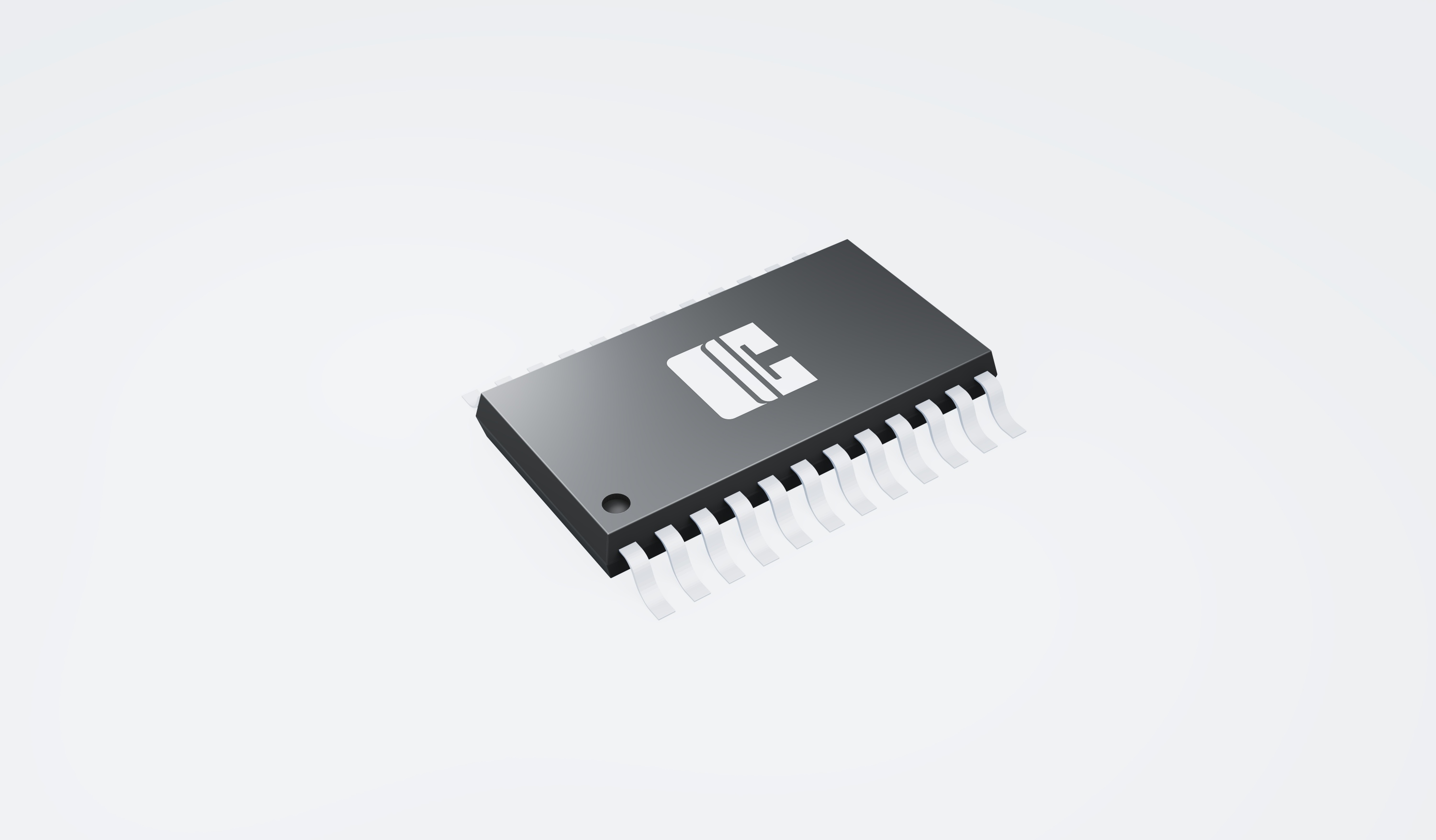
AiP74AVC8T245は、双方向レベル変換を可能にする8ビット、デュアル電源トランシーバです。2つの8ビット入出力ポート(AnとBn)、方向制御入力(DIR)、出力イネーブル入力()、およびデュアル電源ピン(VCC(A)とVCC(B))を備えています。VCC(A)とVCC(B)はどちらも0.8V~3.6Vの任意の電圧で供給できるため、このデバイスは低電圧ノード(0.8V、1.2V、1.5V、1.8V、2.5V、3.3V)間の変換に適しています。ピンAnとDIRはVCC(A)を基準とし、ピンBnはVCC(B)を基準としています。DIRがHIGHの場合、AnからBnへの送信が可能になり、DIRがLOWの場合、BnからAnへの送信が可能になります。出力イネーブル入力()を使用すると、出力を無効にしてバスを効果的に分離できます。本デバイスは、IOFFを使用した部分的な電源オフアプリケーション向けに完全に仕様が定められています。IOFF回路は出力を無効にし、電源オフ時にデバイスを介した有害な逆流電流を防ぎます。サスペンドモードでは、VCC(A)またはVCC(B)のいずれかがGNDレベルの場合、AnとBnの両方が高インピーダンスのOFF状態になります。
詳細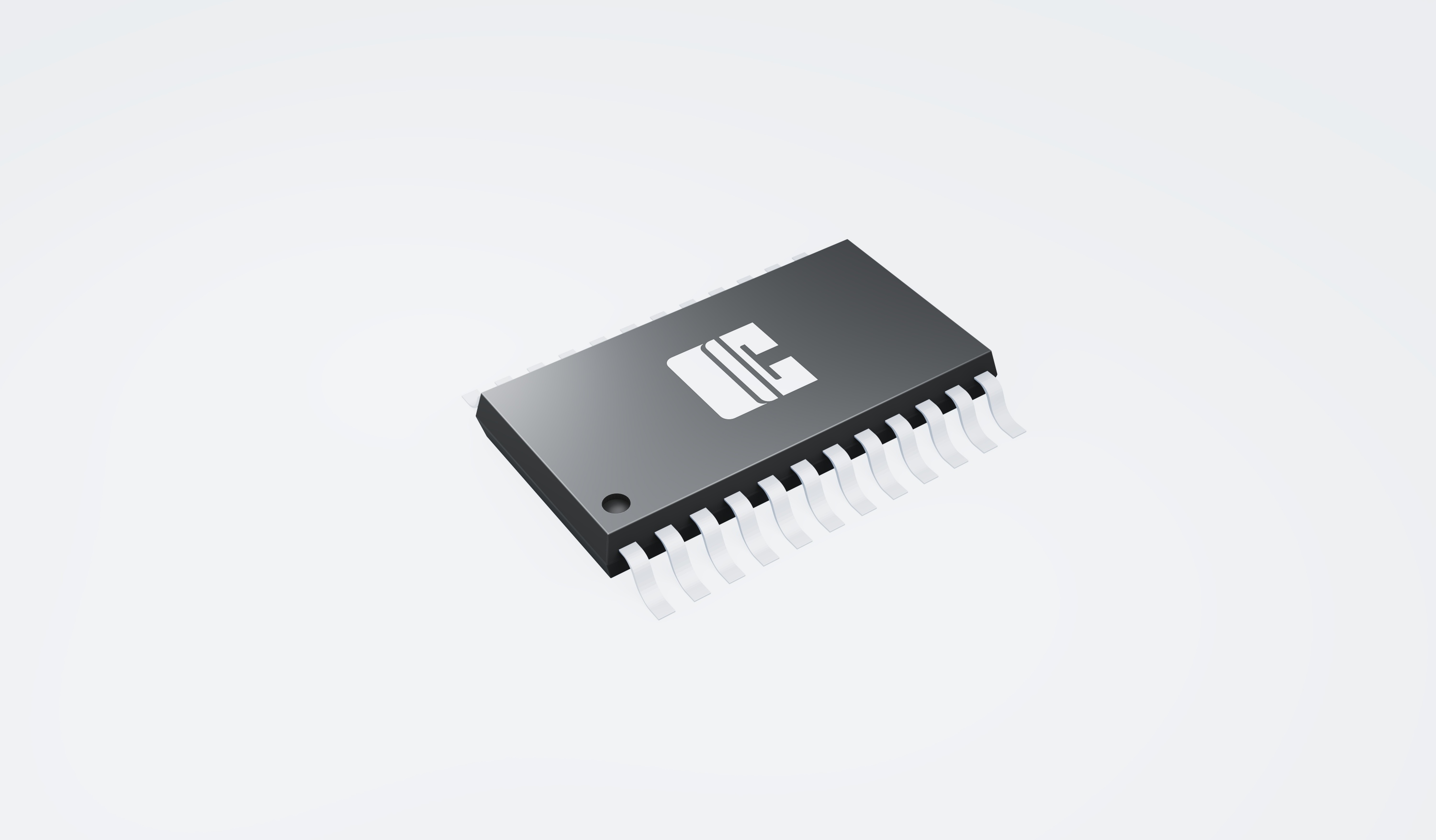
AiP74AVCH8T245は、双方向レベル変換を可能にする8ビット、デュアル電源トランシーバです。2つの8ビット入出力ポート(AnとBn)、方向制御入力(DIR)、出力イネーブル入力(OE)、およびデュアル電源ピン(VCC(A)とVCC(B))を備えています。VCC(A)とVCC(B)はどちらも0.8V~3.6Vの任意の電圧で供給できるため、このデバイスは低電圧ノード(0.8V、1.2V、1.5V、1.8V、2.5V、3.3V)間の変換に適しています。ピンAn、OE、DIRはVCC(A)を基準とし、ピンBnはVCC(B)を基準としています。DIRがHIGHの場合、AnからBnへの送信が可能になり、DIRがLOWの場合、 BnからAnへの伝送。出力イネーブル入力(OE)を使用すると出力を無効にできるため、バスを効果的に分離できます。 AiP74AVCH8T245は、未使用またはフローティング状態のデータ入力を有効なロジックレベルで保持するためのアクティブバスホールド回路を備えています。この機能により、外部プルアップ抵抗やプルダウン抵抗が不要になります。
詳細


伝言を残す
 言語
言語




-1779689065Oq2857zhBA.jpg)
-1779689603FtroEi4lar.jpg)
-17796909303LV3yvSSAQ.jpg)
-1779691104EPwpg6Iih3.jpg)
-17683732918uj91doL7X.jpg)
 IPv6ネットワークをサポート