


供給電圧範囲:
AiP74HC73: 2V~6V
AiP74HCT73: 4.5V~5.5V
入力レベル:
AiP74HC73: CMOSレベル
AiP74HCT73: TTLレベル
温度範囲:-40℃~+125℃
パッケージ情報: DIP14/SOP14/TSSOP14
-1769477122jv1iL1kpji.jpg)
-17694772923alulrrexR.jpg)
AiP74HC/HCT196は、プリセット可能な10進数および2進数カウンタです。出力Q0は、BCDカウントの場合、入力CP1(—)に接続されます。出力Q3は、25進数カウントの場合、入力CP0(—)に接続されます。カウントモードでは、クロックの立ち下がりエッジによって状態変化が開始されます。
詳細-1769561865c92qFRf2EX.jpg)
AiP74HC/HCT196は、プリセット可能な10進数および2進数カウンタです。出力Q0は、BCDカウントの場合、入力CP1(—)に接続されます。出力Q3は、25進数カウントの場合、入力CP0(—)に接続されます。カウントモードでは、クロックの立ち下がりエッジによって状態変化が開始されます。
詳細-17695651472X0l1ZKkjw.jpg)
AiP74HC/HCT240は、3ステート出力を備えた8ビット反転バッファ/ラインドライバです。このデバイスは、2つの4ビットバッファ、または1つの8ビットバッファとして使用できます。デバイスには2つの出力イネーブル(1OE(—)と2OE(—))があり、それぞれが4つの3ステート出力を制御します。nOE(—)がHIGHになると、出力は高インピーダンスのOFF状態になります。入力にはクランプダイオードが内蔵されており、電流制限抵抗を使用して入力をVCCを超える電圧に接続できます。
詳細-1769565273c5wHTNtUYA.jpg)
AiP74HC/HCT240は、3ステート出力を備えた8ビット反転バッファ/ラインドライバです。このデバイスは、2つの4ビットバッファ、または1つの8ビットバッファとして使用できます。デバイスには2つの出力イネーブル(1OE(—)と2OE(—))があり、それぞれが4つの3ステート出力を制御します。nOE(—)がHIGHになると、出力は高インピーダンスのOFF状態になります。入力にはクランプダイオードが内蔵されており、電流制限抵抗を使用して入力をVCCを超える電圧に接続できます。
詳細-1769566649Hjv3Ld3Ug8.jpg)
AiP74HC/HCT241は、3ステート出力を備えた8ビットバッファ/ラインドライバです。このデバイスは、2つの4ビットバッファとして、または1つの8ビットバッファとして使用できます。このデバイスには2つの出力イネーブル(1OE(—)と2OE)があり、それぞれが4つの3ステート出力を制御します。1OE(—)がHIGH、または2OEがLOWの場合、対応する出力は高インピーダンスのOFF状態になります。入力にはクランプダイオードが内蔵されています。これにより、電流制限抵抗を使用して、入力をVCCを超える電圧に接続できます。AiP74HC/HCT241デバイスは、TTLロジックレベルとのインターフェースを可能にするために、入力しきい値レベルを低減しています。
詳細-1769566724eNN8rnmjcg.jpg)
AiP74HC/HCT241は、3ステート出力を備えた8ビットバッファ/ラインドライバです。このデバイスは、2つの4ビットバッファとして、または1つの8ビットバッファとして使用できます。このデバイスには2つの出力イネーブル(1OE(—)と2OE)があり、それぞれが4つの3ステート出力を制御します。1OE(—)がHIGH、または2OEがLOWの場合、対応する出力は高インピーダンスのOFF状態になります。入力にはクランプダイオードが内蔵されています。これにより、電流制限抵抗を使用して、入力をVCCを超える電圧に接続できます。AiP74HC/HCT241デバイスは、TTLロジックレベルとのインターフェースを可能にするために、入力しきい値レベルを低減しています。
詳細-1769567103SsK0oyxbSC.jpg)
AiP74HC/HCT243は、送受信両方向で非反転3ステートバス互換出力を備えたクワッドバス・トランシーバーです。データバス間の4ライン非同期双方向データ通信用に設計されています。出力イネーブル入力(OE(—)AおよびOEB)は、バスを分離するために使用できます。
詳細-17695672826qDdUSaZJ5.jpg)
AiP74HC/HCT243は、送受信両方向で非反転3ステートバス互換出力を備えたクワッドバス・トランシーバーです。データバス間の4ライン非同期双方向データ通信用に設計されています。出力イネーブル入力(OE(—)AおよびOEB)は、バスを分離するために使用できます。
詳細-1769580684JlE5FmyPtH.jpg)
AiP74HC/HCT244は、3ステート出力を備えた8ビットバッファ/ラインドライバです。このデバイスは、2つの4ビットバッファ、または1つの8ビットバッファとして使用できます。デバイスには2つの出力イネーブル(1OE(—)と2OE(—))があり、それぞれが4つの3ステート出力を制御します。nOE(—)がHIGHになると、出力は高インピーダンスのOFF状態になります。入力にはクランプダイオードが内蔵されており、電流制限抵抗を使用して入力をVCCを超える電圧に接続できます。
詳細-1769580769K3ENbayJ48.jpg)
AiP74HC/HCT244は、3ステート出力を備えた8ビットバッファ/ラインドライバです。このデバイスは、2つの4ビットバッファ、または1つの8ビットバッファとして使用できます。デバイスには2つの出力イネーブル(1OE(—)と2OE(—))があり、それぞれが4つの3ステート出力を制御します。nOE(—)がHIGHになると、出力は高インピーダンスのOFF状態になります。入力にはクランプダイオードが内蔵されており、電流制限抵抗を使用して入力をVCCを超える電圧に接続できます。
詳細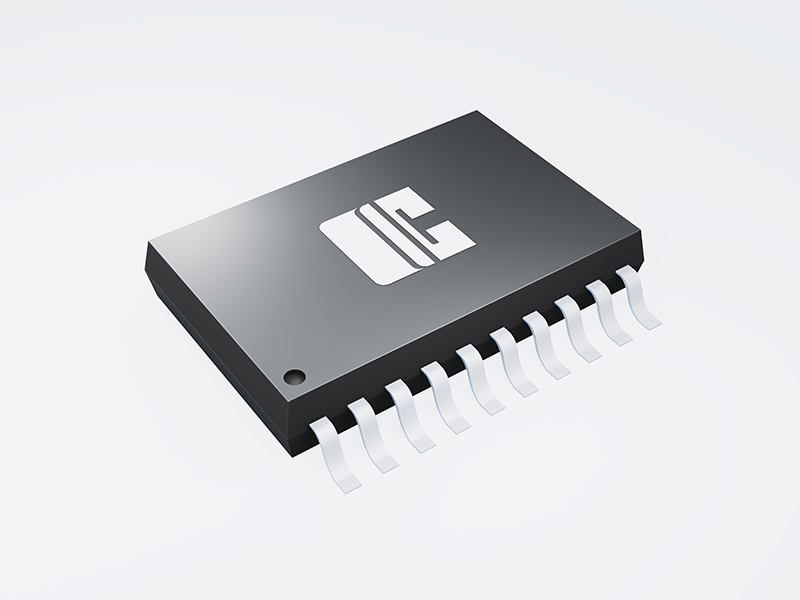
AiP74HC245は、3ステート出力を備えた8ビットトランシーバです。このデバイスは、出力イネーブル(OE — )と送受信方向制御用のDIR(DIR)を備えています。OE — がHIGHになると、出力は高インピーダンスのOFF状態になります。入力にはクランプダイオードが内蔵されており、これにより、VCCを超える電圧への入力インターフェースに電流制限抵抗を使用することができます。
詳細-1769580927USpKelMtOh.jpg)
AiP74HC/HCT247は、共通アノードLEDまたは白熱表示器を直接駆動するために設計されたアクティブロー出力を備えています。BCD入力カウントが9を超える場合の表示パターンは、入力条件を認証するための固有のシンボルです。
詳細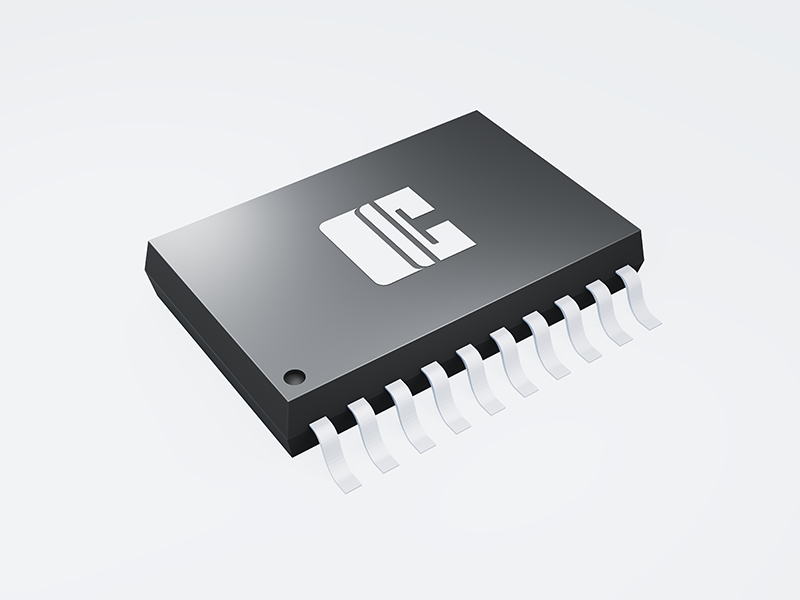
-1769581396d02IDWKiNO.jpg)
AiP74HC/HCT248は、コモンカソードLEDや白熱表示器を直接駆動するために設計されたアクティブロー出力を備えています。BCD入力カウントが9を超える場合の表示パターンは、入力条件を認証するための固有のシンボルです。
詳細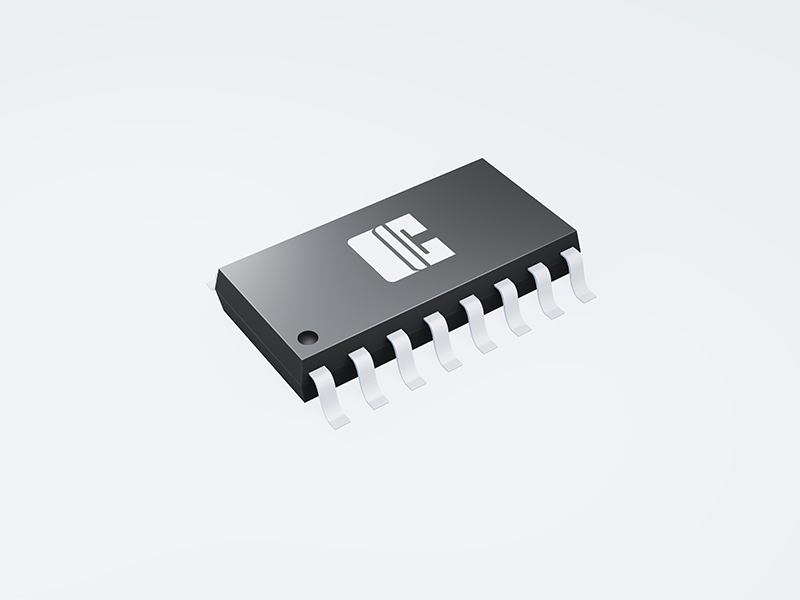
-1769581517LXS5QhMDcc.jpg)
AiP74HC/HCT251は、8ビットマルチプレクサで、8つのバイナリ入力(I0~I7)、3つの選択入力(S0~S2)、および出力イネーブル入力(OE(—))を備えています。選択入力は、8つのバイナリ入力のうち1つを選択し、相補出力(YとY(—))にルーティングします。OE(—)がHIGHになると、出力は高インピーダンスのOFF状態になります。入力にはクランプダイオードが内蔵されており、電流制限抵抗を使用して入力をVCCを超える電圧に接続できます。
詳細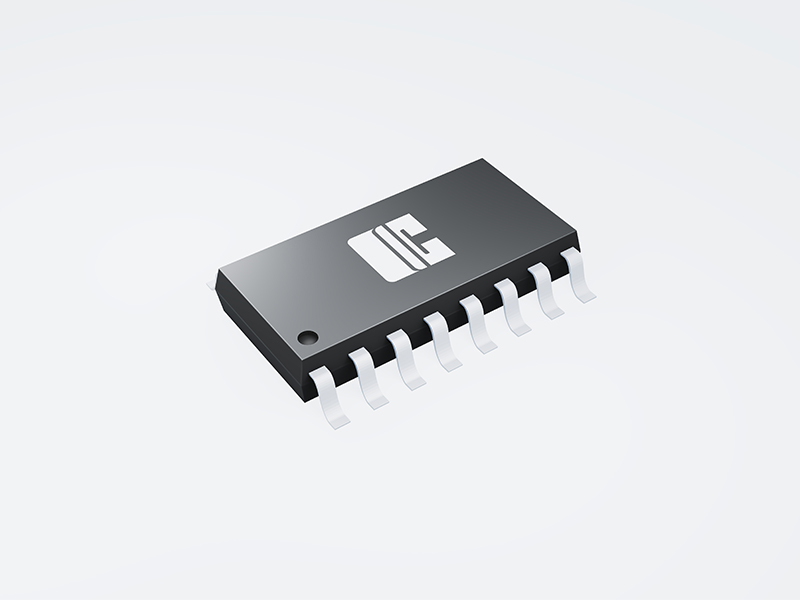
-17695817539bWrX6JSIL.jpg)
AiP74HC/HCT251は、8ビットマルチプレクサで、8つのバイナリ入力(I0~I7)、3つの選択入力(S0~S2)、および出力イネーブル入力(OE(—))を備えています。選択入力は、8つのバイナリ入力のうち1つを選択し、相補出力(YとY(—))にルーティングします。OE(—)がHIGHになると、出力は高インピーダンスのOFF状態になります。入力にはクランプダイオードが内蔵されており、電流制限抵抗を使用して入力をVCCを超える電圧に接続できます。
詳細
-17695828134yuhMBvsAP.jpg)
AiP74HC/HCT259は8ビットのアドレス指定可能なラッチです。このデバイスは4つの動作モードを備えています。アドレス指定可能なラッチモードでは、D入力のデータが入力A0~A3でアドレス指定されたラッチに書き込まれます。アドレス指定されたラッチはデータ入力に追従し、アドレス指定されていないラッチは以前の状態を維持します。メモリモードでは、すべてのラッチが以前の状態を維持し、データ入力やアドレス入力の影響を受けません。3対8デコードまたはデマルチプレクサモードでは、アドレス指定された出力がD入力に追従し、他のすべての出力はLOWになります。リセットモードでは、すべての出力が強制的にLOWになり、データ入力やアドレス入力の影響を受けません。入力にはクランプダイオードが含まれています。これにより、電流制限抵抗を使用して、入力をVCCを超える電圧に接続できます。
詳細
-1769583039uoKphYEKUM.jpg)
AiP74HC/HCT259は8ビットのアドレス指定可能なラッチです。このデバイスは4つの動作モードを備えています。アドレス指定可能なラッチモードでは、D入力のデータが入力A0~A3でアドレス指定されたラッチに書き込まれます。アドレス指定されたラッチはデータ入力に追従し、アドレス指定されていないラッチは以前の状態を維持します。メモリモードでは、すべてのラッチが以前の状態を維持し、データ入力やアドレス入力の影響を受けません。3対8デコードまたはデマルチプレクサモードでは、アドレス指定された出力がD入力に追従し、他のすべての出力はLOWになります。リセットモードでは、すべての出力が強制的にLOWになり、データ入力やアドレス入力の影響を受けません。入力にはクランプダイオードが含まれています。これにより、電流制限抵抗を使用して、入力をVCCを超える電圧に接続できます。
詳細-1769588143JEbaD36zeV.jpg)
-1769588224qNmEV3D0Em.jpg)
-1769588337DfFRMq62mq.jpg)
AiP74HC/HCT273は、8進数の正エッジトリガ型Dタイプフリップフロップです。このデバイスは、クロック(CP)入力とマスターリセット(MR(—))入力を備えています。出力Qnは、クロック(CP)がLOWからHIGHに遷移した際に、対応するDn入力の状態がセットアップ時間と保持時間の要件を満たした状態になります。MR(—)がLOWになると、クロック入力やデータ入力とは無関係に、出力がLOWになります。入力にはクランプダイオードが内蔵されています。これにより、電流制限抵抗を使用して、入力をVCCを超える電圧に接続することができます。
詳細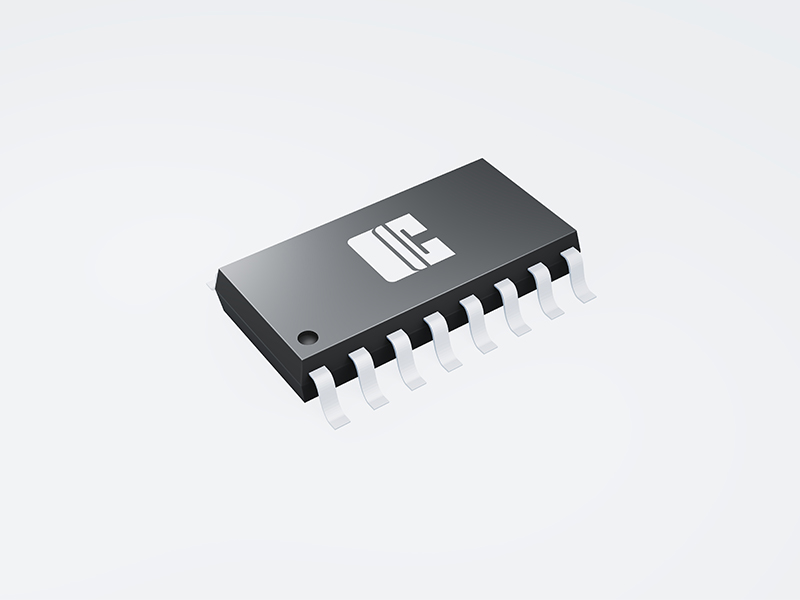
-1769588427hLq11mzSQO.jpg)
AiP74HC/HCT273は、8進数の正エッジトリガ型Dタイプフリップフロップです。このデバイスは、クロック(CP)入力とマスターリセット(MR(—))入力を備えています。出力Qnは、クロック(CP)がLOWからHIGHに遷移した際に、対応するDn入力の状態がセットアップ時間と保持時間の要件を満たした状態になります。MR(—)がLOWになると、クロック入力やデータ入力とは無関係に、出力がLOWになります。入力にはクランプダイオードが内蔵されています。これにより、電流制限抵抗を使用して、入力をVCCを超える電圧に接続することができます。
詳細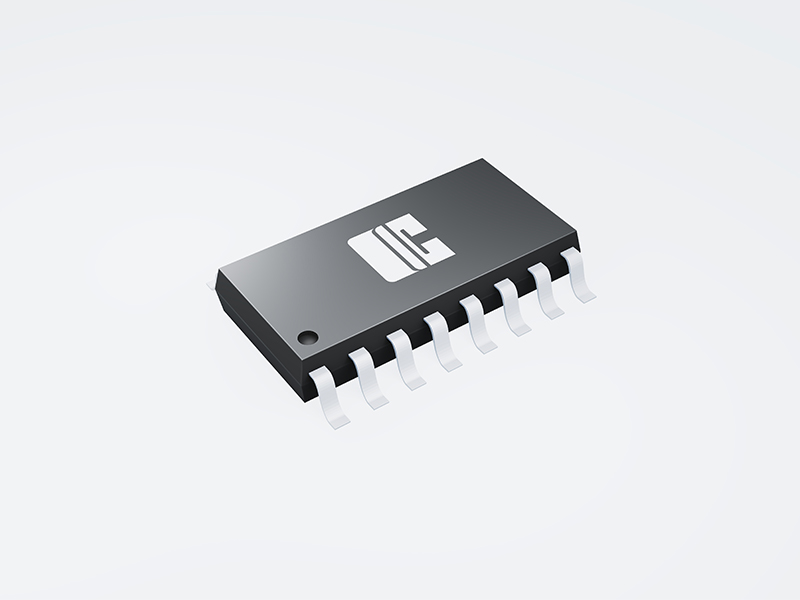
-1769588560N4RhJlBrQa.jpg)
-1769588664udNSattNrA.jpg)
-1769588807i1sTBUUs1A.jpg)
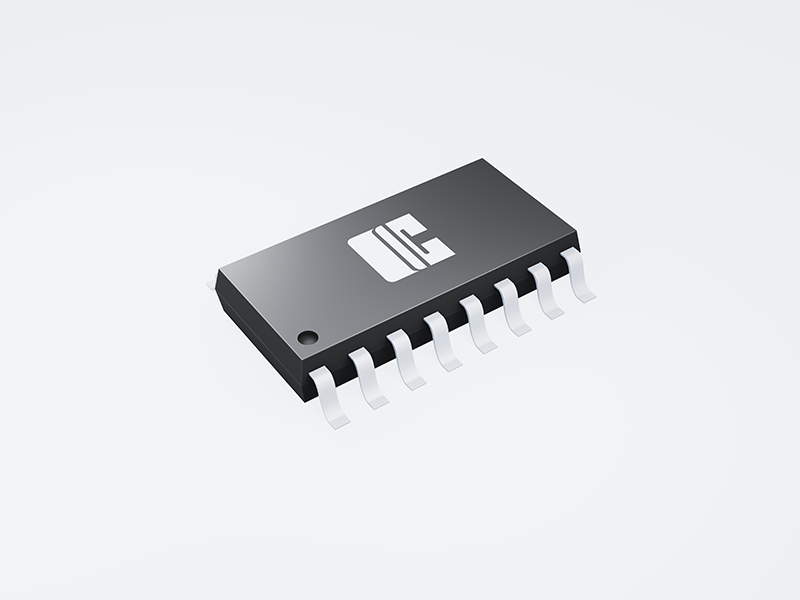
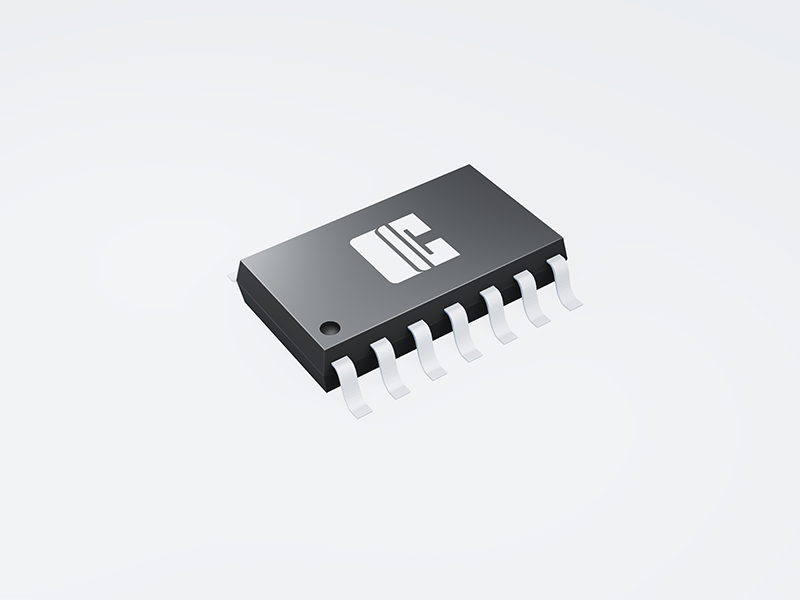
AiP74HC/HCT280は、9ビットのパリティジェネレータまたはチェッカーです。偶数パリティ出力と奇数パリティ出力の両方が利用可能です。偶数パリティ出力(PE)は、偶数個のデータ入力(I0~I8)がHIGHのときにHIGHになります。奇数パリティ出力(PO)は、奇数個のデータ入力がHIGHのときにHIGHになります。最大9個の並列デバイスの偶数出力(PE)を最終段のデータ入力に接続することで、より大きなワードサイズに拡張できます。入力にはクランプダイオードが含まれています。電流制限抵抗を使用することで、入力をVCCを超える電圧に接続できます。
詳細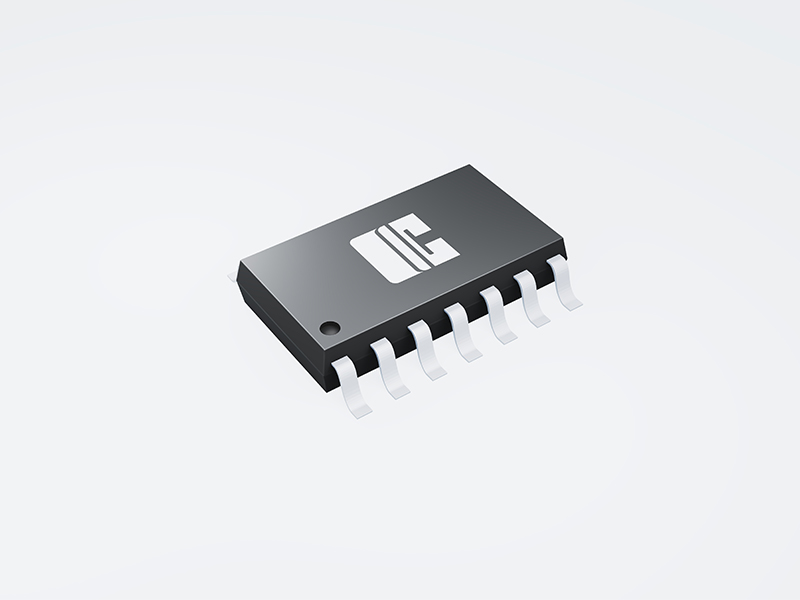
-1769588968uMA3dyeXqw.jpg)
AiP74HC/HCT280は、9ビットのパリティジェネレータまたはチェッカーです。偶数パリティ出力と奇数パリティ出力の両方が利用可能です。偶数パリティ出力(PE)は、偶数個のデータ入力(I0~I8)がHIGHのときにHIGHになります。奇数パリティ出力(PO)は、奇数個のデータ入力がHIGHのときにHIGHになります。最大9個の並列デバイスの偶数出力(PE)を最終段のデータ入力に接続することで、より大きなワードサイズに拡張できます。入力にはクランプダイオードが含まれています。電流制限抵抗を使用することで、入力をVCCを超える電圧に接続できます。
詳細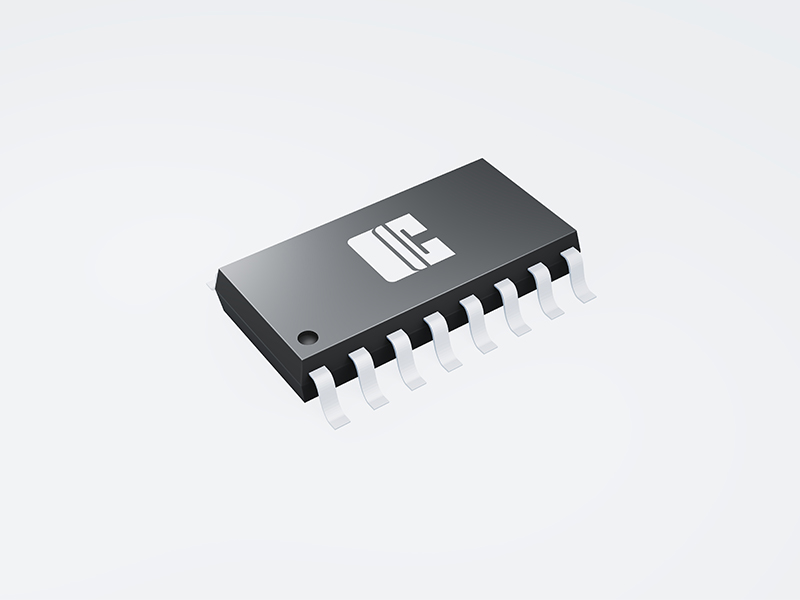
-17695891743DCQjx0JnJ.jpg)
AiP74HC/HCT283は、2つの4ビットバイナリワード(An+Bn)と入力キャリー(CIN)を加算します。バイナリ和は、次の式に従って、和出力(S1~S4)と出力キャリー(COUT)に表示されます。CIN+(A1+B1)+2(A2+B2)+4(A3+B3)+8(A4+B4)==S1+2S2+4S3+8S4+16COUTここで(+)はプラスを意味します。バイナリ加算関数の対称性により、AiP74HC/HCT283 は、すべてのオペランドがアクティブ HIGH (正論理) またはすべてのオペランドがアクティブ LOW (負論理) のどちらでも使用できます。すべてのオペランドがアクティブ LOW の場合、結果 S1 ~ S4 および COUT もアクティブ LOW として解釈する必要があります。アクティブ HIGH 入力の場合、キャリー入力が意図されていない場合は、CIN を LOW に保持する必要があります。重みが同じ入力を入れ替えても動作に影響はないため、CIN、A1、B1 はピン 5、6、7 などに任意に割り当てることができます。
詳細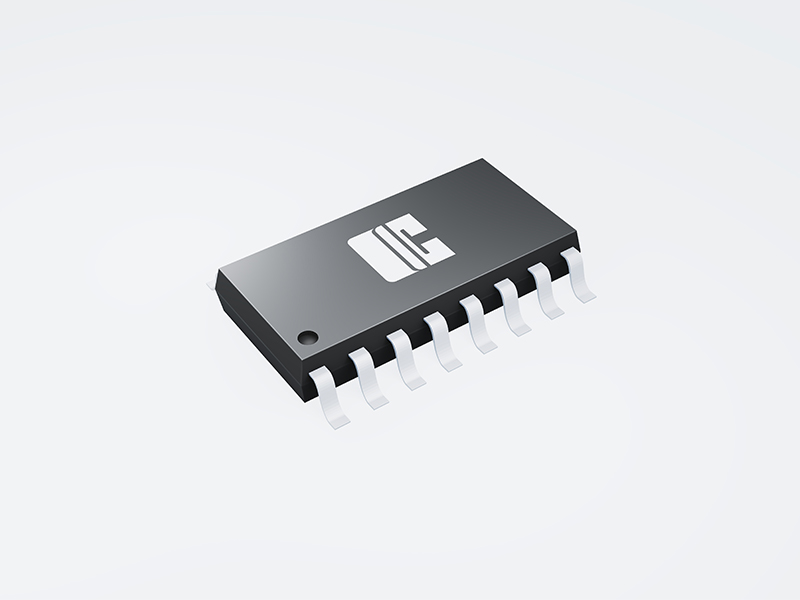
-1769589272kF6YGhBXse.jpg)
AiP74HC/HCT283は、2つの4ビットバイナリワード(An+Bn)と入力キャリー(CIN)を加算します。バイナリ和は、次の式に従って、和出力(S1~S4)と出力キャリー(COUT)に表示されます。CIN+(A1+B1)+2(A2+B2)+4(A3+B3)+8(A4+B4)==S1+2S2+4S3+8S4+16COUTここで(+)はプラスを意味します。バイナリ加算関数の対称性により、AiP74HC/HCT283 は、すべてのオペランドがアクティブ HIGH (正論理) またはすべてのオペランドがアクティブ LOW (負論理) のどちらでも使用できます。すべてのオペランドがアクティブ LOW の場合、結果 S1 ~ S4 および COUT もアクティブ LOW として解釈する必要があります。アクティブ HIGH 入力の場合、キャリー入力が意図されていない場合は、CIN を LOW に保持する必要があります。重みが同じ入力を入れ替えても動作に影響はないため、CIN、A1、B1 はピン 5、6、7 などに任意に割り当てることができます。
詳細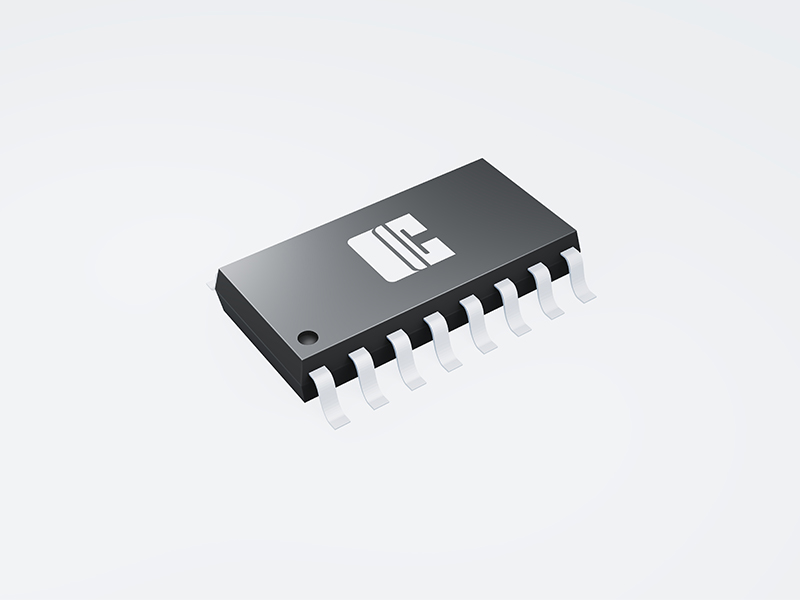
-1769589411n7oKPkI9RN.jpg)
AiP74HC/HCT365は、出力イネーブル入力(OE(—)n)によって制御される3ステート出力を備えたヘックスバッファ/ラインドライバです。OE(—)nがHIGHになると、出力は高インピーダンスのOFF状態になります。入力にはクランプダイオードが内蔵されています。これにより、電流制限抵抗を使用して、入力をVCCを超える電圧に接続することができます。
詳細
-1769589498DNQMdughcL.jpg)
AiP74HC/HCT365は、出力イネーブル入力(OE(—)n)によって制御される3ステート出力を備えたヘックスバッファ/ラインドライバです。OE(—)nがHIGHになると、出力は高インピーダンスのOFF状態になります。入力にはクランプダイオードが内蔵されています。これにより、電流制限抵抗を使用して、入力をVCCを超える電圧に接続することができます。
詳細
AiP74HC164 は、8 ビットのシリアル入力/パラレル出力シフト レジスタです。 e AiP74HC/HCT164は、8ビットのシリアル入力/パラレル出力シフトレジスタです。このデバイスは2つのシリアルデータを備えています。AiP74HC/HCT164は、8ビットのシリアル入力/パラレル出力シフトレジスタです。このデバイスは2つのシリアルデータを備えています。入力 (DSA および DSB)、8 つのパラレル データ出力 (Q0 ~ Q7)。 入力 (DSA および DSB)、8 つのパラレル データ出力 (Q0 ~ Q7)。
詳細-1769661600fcHl8bBOZv.jpg)
AiP74HC/HCT366は、出力イネーブル入力(OE(—)n)によって制御される3ステート出力を備えたヘキサ反転バッファ/ラインドライバです。OE(—)nがHIGHになると、出力は高インピーダンスのOFF状態になります。入力にはクランプダイオードが内蔵されています。これにより、電流制限抵抗を使用して、入力をVCCを超える電圧に接続することができます。
詳細
-1769661665IzSFDEeSEW.jpg)
AiP74HC/HCT366は、出力イネーブル入力(OE(—)n)によって制御される3ステート出力を備えたヘキサ反転バッファ/ラインドライバです。OE(—)nがHIGHになると、出力は高インピーダンスのOFF状態になります。入力にはクランプダイオードが内蔵されています。これにより、電流制限抵抗を使用して、入力をVCCを超える電圧に接続することができます。
詳細-1769661812uVo0ixlIjn.jpg)
AiP74HC/HCT367は、出力イネーブル入力(nOE(—))によって制御される3ステート出力を備えたヘックスバッファ/ラインドライバです。nOE(—)がHIGHになると、出力は高インピーダンスのOFF状態になります。入力にはクランプダイオードが内蔵されています。これにより、電流制限抵抗を使用して、入力をVCCを超える電圧に接続することができます。
詳細-1769661886g7lAkpry5r.jpg)
AiP74HC/HCT367は、出力イネーブル入力(nOE(—))によって制御される3ステート出力を備えたヘックスバッファ/ラインドライバです。nOE(—)がHIGHになると、出力は高インピーダンスのOFF状態になります。入力にはクランプダイオードが内蔵されています。これにより、電流制限抵抗を使用して、入力をVCCを超える電圧に接続することができます。
詳細
-1769662011afD5EIQjx7.jpg)
AiP74HC/HCT373は、3ステート出力を持つ8ビットDタイプ透過ラッチです。このデバイスは、ラッチイネーブル(LE)入力と出力イネーブル(OE(—))入力を備えています。LEがHIGHの場合、入力のデータがラッチに入力されます。この状態ではラッチは透過状態となり、対応するD入力が変化するたびにラッチ出力が変化します。LEがLOWの場合、ラッチはLEのHIGHからLOWへの遷移前のセットアップ時間内に入力にあった情報を保持します。OE(—)がHIGHになると、出力は高インピーダンスのOFF状態になります。OE(—)入力の動作はラッチの状態に影響を与えません。入力にはクランプダイオードが内蔵されています。これにより、電流制限抵抗を使用して、入力をVCCを超える電圧に接続することができます。
詳細
-17696620848rQMTSEl4A.jpg)
AiP74HC/HCT373は、3ステート出力を持つ8ビットDタイプ透過ラッチです。このデバイスは、ラッチイネーブル(LE)入力と出力イネーブル(OE(—))入力を備えています。LEがHIGHの場合、入力のデータがラッチに入力されます。この状態ではラッチは透過状態となり、対応するD入力が変化するたびにラッチ出力が変化します。LEがLOWの場合、ラッチはLEのHIGHからLOWへの遷移前のセットアップ時間内に入力にあった情報を保持します。OE(—)がHIGHになると、出力は高インピーダンスのOFF状態になります。OE(—)入力の動作はラッチの状態に影響を与えません。入力にはクランプダイオードが内蔵されています。これにより、電流制限抵抗を使用して、入力をVCCを超える電圧に接続することができます。
詳細
-1769662189tByqUd3ba6.jpg)
AiP74HC/HCT374は、3ステート出力を持つ8ビット正エッジトリガDタイプフリップフロップです。このデバイスは、クロック(CP)入力と出力イネーブル(OE(—))入力を備えています。フリップフロップは、クロック(CP)がLOWからHIGHに遷移した際に、セットアップ時間とホールド時間の要件を満たす個々のD入力の状態を保持します。OE(—)がHIGHになると、出力は高インピーダンスのOFF状態になります。OE(—)入力の動作は、フリップフロップの状態に影響を与えません。入力にはクランプダイオードも含まれており、これにより電流制限抵抗を使用して、入力をVCCを超える電圧に接続することができます。AiP74HCT374は、TTLロジックレベルとのインターフェースを可能にするために、入力しきい値レベルを低減しています。
詳細
-17696622697EMzfG9dIn.jpg)
AiP74HC/HCT374は、3ステート出力を持つ8ビット正エッジトリガDタイプフリップフロップです。このデバイスは、クロック(CP)入力と出力イネーブル(OE(—))入力を備えています。フリップフロップは、クロック(CP)がLOWからHIGHに遷移した際に、セットアップ時間とホールド時間の要件を満たす個々のD入力の状態を保持します。OE(—)がHIGHになると、出力は高インピーダンスのOFF状態になります。OE(—)入力の動作は、フリップフロップの状態に影響を与えません。入力にはクランプダイオードも含まれており、これにより電流制限抵抗を使用して、入力をVCCを超える電圧に接続することができます。AiP74HCT374は、TTLロジックレベルとのインターフェースを可能にするために、入力しきい値レベルを低減しています。
詳細
-1769662412SG4QV6cdsI.jpg)
-1769662474Aom47PAeLF.jpg)
-1769750250nL9pwru2P8.jpg)
AiP74HC/HCT540は、3ステート出力を備えた8ビット反転バッファ/ラインドライバです。このデバイスは、2つの出力イネーブル(OE(—)1とOE(—)2)を備えています。OE(—)nがHIGHになると、出力は高インピーダンスのOFF状態になります。入力にはクランプダイオードが内蔵されています。これにより、電流制限抵抗を使用して、入力をVCCを超える電圧に接続できます。
詳細-1769750319bwzB0cyHnT.jpg)
AiP74HC/HCT540は、3ステート出力を備えた8ビット反転バッファ/ラインドライバです。このデバイスは、2つの出力イネーブル(OE(—)1とOE(—)2)を備えています。OE(—)nがHIGHになると、出力は高インピーダンスのOFF状態になります。入力にはクランプダイオードが内蔵されています。これにより、電流制限抵抗を使用して、入力をVCCを超える電圧に接続できます。
詳細-17697526006OGygh48Qd.jpg)
AiP74HC/HCT541は、3ステート出力を備えた8ビット非反転バッファ/ラインドライバです。このデバイスは、2つの出力イネーブル(OE(—)1とOE(—)2)を備えています。OE(—)nがHIGHになると、出力は高インピーダンスのOFF状態になります。入力にはクランプダイオードが内蔵されており、電流制限抵抗を使用して入力をVCCを超える電圧に接続できます。
詳細-1769752677Y3NMkHUdsL.jpg)
AiP74HC/HCT541は、3ステート出力を備えた8ビット非反転バッファ/ラインドライバです。このデバイスは、2つの出力イネーブル(OE(—)1とOE(—)2)を備えています。OE(—)nがHIGHになると、出力は高インピーダンスのOFF状態になります。入力にはクランプダイオードが内蔵されており、電流制限抵抗を使用して入力をVCCを超える電圧に接続できます。
詳細-1769756121c2UdSoFC7Z.jpg)
AiP74HC/HCT563は、3ステート反転出力を備えた8ビットDタイプ透過ラッチです。このデバイスは、ラッチイネーブル(LE)入力と出力イネーブル(OE(—))入力を備えています。LEがHIGHの場合、入力のデータがラッチに入力されます。この状態ではラッチは透過的であり、対応するD入力が変化するたびにラッチ出力が変化します。LEがLOWの場合、ラッチはLEのHIGHからLOWへの遷移前のセットアップ時間内に入力にあった情報を保持します。OE(—)がHIGHになると、出力は高インピーダンスのOFF状態になります。OE(—)入力の動作はラッチの状態に影響を与えません。入力にはクランプダイオードが含まれています。これにより、電流制限抵抗を使用して、入力をVCCを超える電圧に接続することができます。
詳細-1769756259xxXr90d7Km.jpg)
AiP74HC/HCT563は、3ステート反転出力を備えた8ビットDタイプ透過ラッチです。このデバイスは、ラッチイネーブル(LE)入力と出力イネーブル(OE(—))入力を備えています。LEがHIGHの場合、入力のデータがラッチに入力されます。この状態ではラッチは透過的であり、対応するD入力が変化するたびにラッチ出力が変化します。LEがLOWの場合、ラッチはLEのHIGHからLOWへの遷移前のセットアップ時間内に入力にあった情報を保持します。OE(—)がHIGHになると、出力は高インピーダンスのOFF状態になります。OE(—)入力の動作はラッチの状態に影響を与えません。入力にはクランプダイオードが含まれています。これにより、電流制限抵抗を使用して、入力をVCCを超える電圧に接続することができます。
詳細-1769756394JIl6iyoRRe.jpg)
AiP74HC/HCT573は、3ステート出力を備えた8ビットDタイプ透過型ラッチです。このデバイスは、ラッチイネーブル(LE)入力と出力イネーブル(OE(—))入力を備えています。LEがHIGHの場合、入力のデータがラッチに入力されます。この状態ではラッチは透過型であり、対応するD入力が変化するたびにラッチ出力が変化します。LEがLOWの場合、ラッチはLEのHIGHからLOWへの遷移前のセットアップ時間内に入力にあった情報を保持します。OE(—)がHIGHになると、出力は高インピーダンスのOFF状態になります。OE(—)入力の動作はラッチの状態に影響を与えません。入力にはクランプダイオードが含まれています。これにより、電流制限抵抗を使用して、入力をVCCを超える電圧に接続することができます。
詳細-1769756418LjKauSIzzQ.jpg)
AiP74HC/HCT573は、3ステート出力を備えた8ビットDタイプ透過型ラッチです。このデバイスは、ラッチイネーブル(LE)入力と出力イネーブル(OE(—))入力を備えています。LEがHIGHの場合、入力のデータがラッチに入力されます。この状態ではラッチは透過型であり、対応するD入力が変化するたびにラッチ出力が変化します。LEがLOWの場合、ラッチはLEのHIGHからLOWへの遷移前のセットアップ時間内に入力にあった情報を保持します。OE(—)がHIGHになると、出力は高インピーダンスのOFF状態になります。OE(—)入力の動作はラッチの状態に影響を与えません。入力にはクランプダイオードが含まれています。これにより、電流制限抵抗を使用して、入力をVCCを超える電圧に接続することができます。
詳細-17697565833Qz9pWJp7P.jpg)
AiP74HC/HCT574は、3ステート出力を持つ8ビット正エッジトリガDタイプフリップフロップです。このデバイスは、クロック(CP)入力と出力イネーブル(OE(—))入力を備えています。OE(—)入力がHIGHになると、出力は高インピーダンスのOFF状態になります。OE(—)入力の動作は、フリップフロップの状態に影響を与えません。
詳細-1770007749QNEudGVXkH.jpg)
AiP74HC/HCT574は、3ステート出力を持つ8ビット正エッジトリガDタイプフリップフロップです。このデバイスは、クロック(CP)入力と出力イネーブル(OE(—))入力を備えています。OE(—)入力がHIGHになると、出力は高インピーダンスのOFF状態になります。OE(—)入力の動作は、フリップフロップの状態に影響を与えません。
詳細-1770007916vsslLHHD2L.jpg)
AiP74HC589デバイスは、8ビットのストレージラッチで構成されており、8ビットのシフトレジスタに並列データを送ります。入力にはクランプダイオードが含まれています。これにより、電流制限抵抗を使用して、入力をVCCを超える電圧に接続することができます。
詳細-1770008115bRth9F2Z98.jpg)
-1770684374FYNjVLEjp4.jpg)
AiP74HC/HCT595は、ストレージレジスタと3ステート出力を備えた8ビットのシリアル入力/シリアルまたはパラレル出力シフトレジスタです。シフトレジスタとストレージレジスタはそれぞれ独立したクロックを備えています。このデバイスは、カスケード接続を可能にするシリアル入力(DS)とシリアル出力(Q7S)、および非同期リセットMR(—)入力を備えています。MR(—)がLOWになると、シフトレジスタがリセットされます。データは、SHCP入力のLOWからHIGHへの遷移でシフトされます。シフトレジスタ内のデータは、STCP入力のLOWからHIGHへの遷移でストレージレジスタに転送されます。両方のクロックが接続されている場合、シフトレジスタは常にストレージレジスタより1クロックパルス先行します。ストレージレジスタ内のデータは、出力イネーブル入力(OE(—))がLOWのときに出力に現れます。OE(—)がHIGHになると、出力は高インピーダンスのOFF状態になります。OE(—)入力の動作は、レジスタの状態に影響を与えません。入力部にはクランプダイオードが組み込まれています。これにより、電流制限抵抗を使用して、入力部をVCCを超える電圧に接続することが可能になります。
詳細-1775528686UgLycuZTdX.jpg)
AIP74HC4017は、10個のスパイクフリーのデコードされたアクティブHIGH出力(Q0~Q9)、最上位フリップフロップからのアクティブLOWキャリー出力(Q5~Q9)、アクティブHIGHおよびアクティブLOWクロック入力(CP0、CP-1)、およびオーバーライド非同期マスターリセット入力(MR)を備えた5段ジョンソンデコードカウンタです。
詳細-1775529655JWt5PiWpjE.jpg)
AiP74HC4040/HCT4040は、クロック入力(CP)、オーバーライド可能な非同期マスターリセット入力(MR)、および12個の並列出力(Q0~Q11)を備えた12段バイナリリップルカウンタです。入力にはクランプダイオードが内蔵されており、電流制限抵抗を使用して入力をVCCを超える電圧に接続することができます。
詳細-1775530363dDjNm5Iqdy.jpg)
AiP74HC4040/HCT4040は、クロック入力(CP)、オーバーライド可能な非同期マスターリセット入力(MR)、および12個の並列出力(Q0~Q11)を備えた12段バイナリリップルカウンタです。入力にはクランプダイオードが内蔵されており、電流制限抵抗を使用して入力をVCCを超える電圧に接続することができます。
詳細-1775530757UYla7ZSRy9.jpg)
AiP74HC/HCT7266は、アクティブプッシュプル出力による排他的NOR機能を提供します。入力にはクランプダイオードが内蔵されているため、電流制限抵抗を使用して、入力をVCCを超える電圧に接続できます。
詳細-1775530830hanS87FZRH.jpg)
AiP74HC/HCT7266は、アクティブプッシュプル出力による排他的NOR機能を提供します。入力にはクランプダイオードが内蔵されているため、電流制限抵抗を使用して、入力をVCCを超える電圧に接続できます。
詳細-1775531080Onh2qvonYe.jpg)
AiP74HC/HCT40103 は 8 ビット同期ダウンカウンタです。クロック (CP) の有効化/無効化、カウンタを最大カウントまでクリア、およびカウンタを同期または非同期でプリセットするための制御入力を備えています。通常動作では、クロック (CP) の正方向遷移ごとにカウンタが 1 カウントずつ減少します。ターミナルイネーブル入力 ( ) が HIGH の場合、カウントは禁止されます。 が LOW の場合、カウントがゼロに達するとターミナルカウント出力 ( ) は LOW になり、1 クロック周期の間 LOW のままです。同期プリセットイネーブル入力 ( ) が LOW の場合、 の状態に関係なく、ジャム入力 (P0 ~ P7) のデータは、次の正方向クロック遷移でカウンタにクロックされます。非同期プリセットイネーブル入力 ( ) が LOW の場合、 、 、または CP の状態に関係なく、ジャム入力 (P0 ~ P7) のデータは非同期でカウンタに強制的に入力されます。ジャム入力(P0~P7)は、単一の8ビットバイナリワードを表します。マスターリセット入力()がLOWの場合、他の入力の状態に関係なく、カウンタは非同期的に最大カウント(10進数255)までクリアされます。ゼロカウント時にを除くすべての制御入力がHIGHの場合、カウンタは最大カウントまでジャンプし、256クロックパルスのカウントシーケンスが生成されます。デバイスは、同期モードまたはリップルモードのいずれかで、入力とTC出力を使用してカスケード接続できます。入力にはクランプダイオードが含まれています。これにより、電流制限抵抗を使用して、入力をVCCを超える電圧に接続できます。
詳細-1775531175MYPmnd9krd.jpg)
AiP74HC/HCT40103 は 8 ビット同期ダウンカウンタです。クロック (CP) の有効化/無効化、カウンタを最大カウントまでクリア、およびカウンタを同期または非同期でプリセットするための制御入力を備えています。通常動作では、クロック (CP) の正方向遷移ごとにカウンタが 1 カウントずつ減少します。ターミナルイネーブル入力 ( ) が HIGH の場合、カウントは禁止されます。 が LOW の場合、カウントがゼロに達するとターミナルカウント出力 ( ) は LOW になり、1 クロック周期の間 LOW のままです。同期プリセットイネーブル入力 ( ) が LOW の場合、 の状態に関係なく、ジャム入力 (P0 ~ P7) のデータは、次の正方向クロック遷移でカウンタにクロックされます。非同期プリセットイネーブル入力 ( ) が LOW の場合、 、 、または CP の状態に関係なく、ジャム入力 (P0 ~ P7) のデータは非同期でカウンタに強制的に入力されます。ジャム入力(P0~P7)は、単一の8ビットバイナリワードを表します。マスターリセット入力()がLOWの場合、他の入力の状態に関係なく、カウンタは非同期的に最大カウント(10進数255)までクリアされます。ゼロカウント時にを除くすべての制御入力がHIGHの場合、カウンタは最大カウントまでジャンプし、256クロックパルスのカウントシーケンスが生成されます。デバイスは、同期モードまたはリップルモードのいずれかで、入力とTC出力を使用してカスケード接続できます。入力にはクランプダイオードが含まれています。これにより、電流制限抵抗を使用して、入力をVCCを超える電圧に接続できます。
詳細
-17683533067J83N1Yaoc.jpg)
AiP74HC/HCT00は、クワッド2入力NANDゲートです。入力にはクランプダイオードが内蔵されており、電流制限抵抗を使用することで、VCCを超える電圧を入力に接続できます。
詳細-17683537257zyYKGiSFt.jpg)
-1768353984tqxxtPGPxh.jpg)
AiP74HC/HCT03は、オープンドレイン出力を備えたクワッド2入力NANDゲートです。入力にはクランプダイオードが内蔵されており、電流制限抵抗を使用することで、VCCを超える電圧を入力に接続できます。
詳細-17683558587zP7GEI6Ga.jpg)
-1768356727gxIyzUSxbx.jpg)
AiP74HC/HCT05には6つのインバータが搭載されています。AiP74HC/HCT05の出力はオープンドレインで、他のオープンドレイン出力に接続することで、アクティブLOWのワイヤードORまたはアクティブHIGHのワイヤードAND機能を実現できます。オープンドレイン出力を正しく動作させるには、プルアップ抵抗が必要です。
詳細-1768357960UO2aoj49ym.jpg)
AiP74HC/HCT07には6つのバッファが搭載されています。AiP74HC/HCT07の出力はオープンドレインで、他のオープンドレイン出力に接続することで、アクティブLOWのワイヤードORまたはアクティブHIGHのワイヤードAND機能を実現できます。オープンドレイン出力を正しく動作させるには、プルアップ抵抗が必要です。
詳細-1768358282d40GY1Ca7s.jpg)
-1768358531ayHoPm4zuB.jpg)
AiP74HC/HCT10は、トリプル3入力NANDゲートです。入力にはクランプダイオードが内蔵されており、電流制限抵抗を使用することで、VCCを超える電圧を入力に接続できます。
詳細-1768358817o3cQrMaqKt.jpg)
AiP74HC/HCT11は、トリプル3入力ANDゲートです。入力にはクランプダイオードが内蔵されており、電流制限抵抗を使用することで、VCCを超える電圧を入力に供給できます。
詳細-1768359162ZZme0XbO8N.jpg)
-17683595726K2LbjBxr9.jpg)
AiP74HC/HCT14は、シュミットトリガ入力を備えたヘキサインバータです。入力閾値レベルを低く抑えることで、TTLロジックレベルへのインターフェースが可能です。入力にはクランプダイオードが内蔵されており、電流制限抵抗を用いてVCCを超える電圧へのインターフェースが可能です。シュミットトリガ入力は、ゆっくりと変化する入力信号を、ジッタのない明確な出力信号に変換します。
詳細-1768373095XJQmm5th3l.jpg)
-1768373381gVRBfUiEzT.jpg)
-1768373706d2qJWhItZe.jpg)
-1768373944otIAgJyq3L.jpg)
-1768378041YkrlUAhqUl.jpg)
-17683782558Q7swO2y5i.jpg)
AiP74HC/HCT42は、10進BCDから10進数へのデコーダです。4つのBCD入力(0A~3A)を受け取り、互いに排他的な10個の出力(0Y(—)~9Y(—))を提供します。ロジック設計により、9を超えるバイナリコードが入力に適用された場合、すべての出力がHIGHになります。最上位入力(3A)は、デバイスを1/8デコーダとして使用する場合に便利なインヒビット機能を生成します。3A入力は、8出力デマルチプレクサアプリケーションのデータ入力としても使用できます。入力にはクランプダイオードが内蔵されているため、電流制限抵抗を使用して、VCCを超える電圧への入力インターフェースが可能です。
詳細-1768378354k2CehrbcJR.jpg)
AiP74HC/HCT42は、10進BCDから10進数へのデコーダです。4つのBCD入力(0A~3A)を受け取り、互いに排他的な10個の出力(0Y(—)~9Y(—))を提供します。ロジック設計により、9を超えるバイナリコードが入力に適用された場合、すべての出力がHIGHになります。最上位入力(3A)は、デバイスを1/8デコーダとして使用する場合に便利なインヒビット機能を生成します。3A入力は、8出力デマルチプレクサアプリケーションのデータ入力としても使用できます。入力にはクランプダイオードが内蔵されているため、電流制限抵抗を使用して、VCCを超える電圧への入力インターフェースが可能です。
詳細-1768378858JJo9D1yBPN.jpg)
AiP74HC/HCT73 は、個別の J、K、クロック (nCP(—))、リセット (nR(—)) 入力と、補完的な Q および Q(—) 出力を備えたデュアルネガティブエッジトリガー JK タイプフリップフロップです。
詳細-1768379032JU5ZbXPoTR.jpg)
AiP74HC/HCT74は、正エッジトリガ型のデュアルD型フリップフロップです。データ(nD)、クロック(nCP)、セット(nS(—)D)、リセット(nR(—)D)の個別入力と、相補的なnQおよびnQ(—)出力を備えています。nD入力のデータは、クロックのLOWからHIGHへの遷移におけるセットアップ時間とホールド時間の要件を満たし、フリップフロップに格納され、nQ出力に出力されます。クロック入力のシュミットトリガ動作により、この回路は低速のクロック立ち上がり時間と立ち下がり時間にも高い耐性を備えています。入力にはクランプダイオードが内蔵されており、電流制限抵抗を使用してVCCを超える電圧を入力に接続できます。
詳細-1768379146W9c41dArmY.jpg)
AiP74HC/HCT74は、正エッジトリガ型のデュアルD型フリップフロップです。データ(nD)、クロック(nCP)、セット(nS(—)D)、リセット(nR(—)D)の個別入力と、相補的なnQおよびnQ(—)出力を備えています。nD入力のデータは、クロックのLOWからHIGHへの遷移におけるセットアップ時間とホールド時間の要件を満たし、フリップフロップに格納され、nQ出力に出力されます。クロック入力のシュミットトリガ動作により、この回路は低速のクロック立ち上がり時間と立ち下がり時間にも高い耐性を備えています。入力にはクランプダイオードが内蔵されているため、電流制限抵抗を使用してVCCを超える電圧を入力に接続できます。
詳細-1768379373PTF6uckear.jpg)
-1768379641pdC4cGuKwT.jpg)
AiP74HC/HCT85は、ほぼ任意の長さに拡張可能な4ビットのマグニチュードコンパレータです。2つの4ビットバイナリ、BCD、またはその他の単調コードを比較し、3つの可能なマグニチュード結果(QA>B、QA=B、QA)を出力します。B、IA=B、IAB、QA=B、QAを接続することでユニットをカスケード接続できます。
詳細-1768379871PWi67JGf6H.jpg)
AiP74HC/HCT86は、クワッド2入力排他的論理和ゲートです。入力にはクランプダイオードが内蔵されており、電流制限抵抗を用いてVCCを超える電圧を入力に供給することが可能です。
詳細-17689713086IXFIYYxUb.jpg)
-1768971585VcwcKUjdj5.jpg)
-1768971715q3bQGXLxgD.jpg)
AiP74HC/HCT107 は、個別の J、K、クロック (nCP(—))、リセット (nR(—)) 入力と、補完的な Q および Q(—) 出力を備えたデュアルネガティブエッジトリガー JK タイプフリップフロップです。
詳細-1768971812z9HLq4RiPM.jpg)
AiP74HC/HCT107 は、個別の J、K、クロック (nCP(—))、リセット (nR(—)) 入力と、補完的な Q および Q(—) 出力を備えたデュアルネガティブエッジトリガー JK タイプフリップフロップです。
詳細-1768971945xaV1WbBKyf.jpg)
-1768972006HdM0sODvuF.jpg)
-1768972179piNAU13gRy.jpg)
AiP74HC/HCT126は、出力イネーブル入力(nOE)によって制御される3ステート出力を備えたクワッドバッファ/ラインドライバです。nOEがLOWになると、出力は高インピーダンスのオフ状態になります。入力にはクランプダイオードが内蔵されており、これにより、VCCを超える電圧への入力インターフェースに電流制限抵抗を使用することができます。
詳細-1768972311zXqvICEXDV.jpg)
AiP74HC/HCT126は、出力イネーブル入力(nOE)によって制御される3ステート出力を備えたクワッドバッファ/ラインドライバです。nOEがLOWになると、出力は高インピーダンスのオフ状態になります。入力にはクランプダイオードが内蔵されており、これにより、VCCを超える電圧への入力インターフェースに電流制限抵抗を使用することができます。
詳細-1768972649Z60q88aaWs.jpg)
AiP74HC/HCT132は、シュミットトリガ入力を備えたクワッド2入力NANDゲートです。入力にはクランプダイオードが内蔵されており、電流制限抵抗を用いてVCCを超える電圧を入力に供給できます。シュミットトリガ入力は、ゆっくりと変化する入力信号を、ジッタのない明確な出力信号に変換します。
詳細-1768972794atUcyWUy7N.jpg)
AiP74HC/HCT132は、シュミットトリガ入力を備えたクワッド2入力NANDゲートです。入力にはクランプダイオードが内蔵されており、電流制限抵抗を用いてVCCを超える電圧を入力に供給できます。シュミットトリガ入力は、ゆっくりと変化する入力信号を、ジッタのない明確な出力信号に変換します。
詳細-1768972959ikWqjNmLh7.jpg)
AiP74HC/HCT139は、2つのバイナリ重み付けアドレス入力(nA0、nA1)を4つの相互排他出力(nY(—)0~nY(—)3)にデコードします。各デコーダにはイネーブル入力(nE(—))が備わっています。nE(—)がHIGHのとき、すべての出力はHIGHに強制されます。イネーブル入力は、1対4デマルチプレクサアプリケーションのデータ入力として使用できます。入力にはクランプダイオードが内蔵されているため、電流制限抵抗を使用してVCCを超える電圧への入力インターフェースが可能です。
詳細-1768973036SaSEAPMqw8.jpg)
AiP74HC/HCT139は、2つのバイナリ重み付けアドレス入力(nA0、nA1)を4つの相互排他出力(nY(—)0~nY(—)3)にデコードします。各デコーダにはイネーブル入力(nE(—))が備わっています。nE(—)がHIGHのとき、すべての出力はHIGHに強制されます。イネーブル入力は、1対4のデマルチプレクサアプリケーションのデータ入力として使用できます。入力にはクランプダイオードが内蔵されているため、電流制限抵抗を使用してVCCを超える電圧への入力インターフェースが可能です。
詳細-1768973184zN6AcFhiYe.jpg)
-17689733489vfmTWR4BA.jpg)
-1768973479PA3P2ODOwt.jpg)
AiP74HC/HCT147 9入力優先エンコーダは、9つのアクティブLOW入力からデータを受け取ります。これらのデバイスは、暗黙の 10 進数「ゼロ」を使用して、10 行から 4 行までの優先エンコード機能を提供します。9 つのデータ入力がすべて HIGH のときに「ゼロ」がエンコードされ、4 つの出力すべてが HIGH になります。
詳細-1768973589IiiglbBAja.jpg)
AiP74HC/HCT147 9入力優先エンコーダは、9つのアクティブLOW入力からデータを受け取ります。これらのデバイスは、暗黙の 10 進数「ゼロ」を使用して、10 行から 4 行までの優先エンコード機能を提供します。9 つのデータ入力がすべて HIGH のときに「ゼロ」がエンコードされ、4 つの出力すべてが HIGH になります。
詳細-1768974076sNijlh39YZ.jpg)
AiP74HC/HCT148は、8本のデータラインを3ライン(4-2-1)のバイナリ(8進数)にエンコードします。カスケード回路(イネーブル入力EIとイネーブル出力EO)により、外部回路を必要とせずに8進数への拡張が可能です。データ入力と出力は、ローロジックレベルでアクティブになります。
詳細-1768974162XmIKg6vTQw.jpg)
AiP74HC/HCT148は、8本のデータラインを3ライン(4-2-1)のバイナリ(8進数)にエンコードします。カスケード回路(イネーブル入力EIとイネーブル出力EO)により、外部回路を必要とせずに8進数への拡張が可能です。データ入力と出力は、ローロジックレベルでアクティブになります。
詳細-176897432775vPNnRrvT.jpg)
AiP74HC/HCT151は、8つのバイナリ入力(I0~I7)、3つのセレクト入力(S0~S2)、および1つのイネーブル入力(E(—))を備えた8ビットマルチプレクサです。8つのバイナリ入力のうち1つがセレクト入力によって選択され、相補出力(YおよびY(—))に出力されます。E(—)がHIGHになると、出力YはLOW、出力Y(—)はHIGHになります。入力にはクランプダイオードも搭載されており、電流制限抵抗を使用してVCCを超える電圧と入力をインターフェースすることができます。
詳細-1768974403ZMCKkyo0Bl.jpg)
AiP74HC/HCT151は、8つのバイナリ入力(I0~I7)、3つのセレクト入力(S0~S2)、および1つのイネーブル入力(E(—))を備えた8ビットマルチプレクサです。8つのバイナリ入力のうち1つがセレクト入力によって選択され、相補出力(YおよびY(—))に出力されます。E(—)がHIGHになると、出力YはLOW、出力Y(—)はHIGHになります。入力にはクランプダイオードも搭載されており、電流制限抵抗を使用してVCCを超える電圧と入力をインターフェースすることができます。
詳細-17689744936VhtSrBYUL.jpg)
AiP74HC/HCT153はデュアル4入力マルチプレクサです。このデバイスは、独立したイネーブル入力(nE(—))と共通のデータ選択入力(S0およびS1)を備えています。各マルチプレクサの選択入力は、4つのバイナリ入力から1つを選択し、マルチプレクサ出力(nY)に出力します。E(—)がHIGHになると、対応するマルチプレクサ出力はLOWになります。入力にはクランプダイオードが内蔵されており、これにより、電流制限抵抗を使用して、VCCを超える電圧を入力に接続できます。
詳細-1768974587lJr1pC5Ke7.jpg)
AiP74HC/HCT153はデュアル4入力マルチプレクサです。このデバイスは、独立したイネーブル入力(nE(—))と共通のデータ選択入力(S0およびS1)を備えています。各マルチプレクサの選択入力は、4つのバイナリ入力から1つを選択し、マルチプレクサ出力(nY)に出力します。E(—)がHIGHになると、対応するマルチプレクサ出力はLOWになります。入力にはクランプダイオードが内蔵されており、これにより、電流制限抵抗を使用して、VCCを超える電圧を入力に接続できます。
詳細
-1768975768OtLfOBvx7l.jpg)
-17689758339Z0qOWHiT1.jpg)
-1768975976TRFd2x0nCP.jpg)
AiP74HC/HCT160は、内部にルックアヘッドキャリーを備えた同期プリセット可能10進カウンタです。同期動作は、すべてのフリップフロップにクロック(CP)の立ち上がりエッジで同時にクロックを入力することで実現されます。カウンタの出力(Q0~Q3)は、HIGHまたはLOWにプリセットできます。パラレルイネーブル入力(PE(—))をLOWにすると、カウント動作が無効になり、データ入力(D0~D3)のデータがクロックの立ち上がりエッジでカウンタにロードされます。プリセットは、カウントイネーブル入力(CEPおよびCET)のレベルに関係なく行われます。マスターリセット入力(MR(—))をLOWにすると、入力ピンCP、PE(—)、CET、CEPのレベルに関係なく、Q0~Q3がLOWに設定されます(したがって、非同期クリア機能が提供されます)。ルックアヘッドキャリーにより、カウンタのシリアルカスケード接続が簡素化されます。カウントするには、CEPとCETの両方がHIGHである必要があります。 CET入力はフィードフォワードされ、ターミナルカウント出力(TC)をイネーブルにします。こうしてイネーブルされたTC出力は、Q0のHIGH出力とほぼ等しい持続時間のHIGH出力パルスを生成します。このパルスは、次のカスケード段をイネーブルするために使用できます。カスケード接続されたカウンタの最大クロック周波数は、CPからTCまでの伝播遅延とCEPからCPまでのセットアップ時間によって、以下の式で決定されます。fmax=1/(tP(max)(CPからTCまで)+tSU(CEPからCPまで))入力にはクランプダイオードが内蔵されています。これにより、電流制限抵抗を使用して、VCCを超える電圧を入力に接続することができます。
詳細-1768976043KcNUnBDRdL.jpg)
AiP74HC/HCT160は、内部にルックアヘッドキャリーを備えた同期プリセット可能10進カウンタです。同期動作は、すべてのフリップフロップにクロック(CP)の立ち上がりエッジで同時にクロックを入力することで実現されます。カウンタの出力(Q0~Q3)は、HIGHまたはLOWにプリセットできます。パラレルイネーブル入力(PE(—))をLOWにすると、カウント動作が無効になり、データ入力(D0~D3)のデータがクロックの立ち上がりエッジでカウンタにロードされます。プリセットは、カウントイネーブル入力(CEPおよびCET)のレベルに関係なく行われます。マスターリセット入力(MR(—))をLOWにすると、入力ピンCP、PE(—)、CET、CEPのレベルに関係なく、Q0~Q3がLOWに設定されます(したがって、非同期クリア機能が提供されます)。ルックアヘッドキャリーにより、カウンタのシリアルカスケード接続が簡素化されます。カウントするには、CEPとCETの両方がHIGHである必要があります。 CET入力はフィードフォワードされ、ターミナルカウント出力(TC)をイネーブルにします。こうしてイネーブルされたTC出力は、Q0のHIGH出力とほぼ等しい持続時間のHIGH出力パルスを生成します。このパルスは、次のカスケード段をイネーブルするために使用できます。カスケード接続されたカウンタの最大クロック周波数は、CPからTCまでの伝播遅延とCEPからCPまでのセットアップ時間によって、以下の式で決定されます。fmax=1/(tP(max)(CPからTCまで)+tSU(CEPからCPまで))入力にはクランプダイオードが内蔵されています。これにより、電流制限抵抗を使用して、VCCを超える電圧を入力に接続することができます。
詳細-1768976178YfHCc0apOd.jpg)
AiP74HC/HCT161は、内部にルックアヘッドキャリーを備えた同期プリセット可能バイナリカウンタです。同期動作は、すべてのフリップフロップをクロック(CP)の立ち上がりエッジで同時にクロックすることにより実現されます。カウンタの出力(Q0~Q3)は、HIGHまたはLOWにプリセットできます。パラレルイネーブル入力(PE(—))をLOWにすると、カウント動作が無効になり、データ入力(D0~D3)のデータがクロックの立ち上がりエッジでカウンタにロードされます。プリセットは、カウントイネーブル入力(CEPおよびCET)のレベルに関係なく行われます。マスターリセット入力(MR(—))をLOWにすると、入力ピンCP、PE(—)、CET、CEPのレベルに関係なく、Q0~Q3がLOWに設定されます(したがって、非同期クリア機能が提供されます)。ルックアヘッドキャリーにより、カウンタのシリアルカスケード接続が簡素化されます。カウントするには、CEPとCETの両方がHIGHである必要があります。 CET入力はフィードフォワードされ、ターミナルカウント出力(TC)をイネーブルにします。こうしてイネーブルされたTC出力は、Q0のHIGH出力とほぼ等しい持続時間のHIGH出力パルスを生成します。このパルスは、次のカスケード段をイネーブルするために使用できます。カスケード接続されたカウンタの最大クロック周波数は、CPからTCまでの伝播遅延とCEPからCPまでのセットアップ時間によって、以下の式で決定されます。fmax=1/(tP(max)(CPからTCまで)+tSU(CEPからCPまで))入力にはクランプダイオードが内蔵されています。これにより、電流制限抵抗を使用して、VCCを超える電圧を入力に接続することができます。
詳細-1768976264cwql0khlwv.jpg)
AiP74HC/HCT161は、内部にルックアヘッドキャリーを備えた同期プリセット可能バイナリカウンタです。同期動作は、すべてのフリップフロップをクロック(CP)の立ち上がりエッジで同時にクロックすることにより実現されます。カウンタの出力(Q0~Q3)は、HIGHまたはLOWにプリセットできます。パラレルイネーブル入力(PE(—))をLOWにすると、カウント動作が無効になり、データ入力(D0~D3)のデータがクロックの立ち上がりエッジでカウンタにロードされます。プリセットは、カウントイネーブル入力(CEPおよびCET)のレベルに関係なく行われます。マスターリセット入力(MR(—))をLOWにすると、入力ピンCP、PE(—)、CET、CEPのレベルに関係なく、Q0~Q3がLOWに設定されます(したがって、非同期クリア機能が提供されます)。ルックアヘッドキャリーにより、カウンタのシリアルカスケード接続が簡素化されます。カウントするには、CEPとCETの両方がHIGHである必要があります。 CET入力はフィードフォワードされ、ターミナルカウント出力(TC)をイネーブルにします。こうしてイネーブルされたTC出力は、Q0のHIGH出力とほぼ等しい持続時間のHIGH出力パルスを生成します。このパルスは、次のカスケード段をイネーブルするために使用できます。カスケード接続されたカウンタの最大クロック周波数は、CPからTCまでの伝播遅延とCEPからCPまでのセットアップ時間によって、以下の式で決定されます。fmax=1/(tP(max)(CPからTCまで)+tSU(CEPからCPまで))入力にはクランプダイオードが内蔵されています。これにより、電流制限抵抗を使用して、VCCを超える電圧を入力に接続することができます。
詳細-1768976448aDXCgBP4v6.jpg)
AiP74HC/HCT163は、内部ルックヘッドキャリーを備えた同期プリセット可能バイナリカウンタです。同期動作は、すべてのフリップフロップにクロック(CP)の立ち上がりエッジで同時にクロックを供給することで実現されます。カウンタの出力(Q0~Q3)は、HIGHまたはLOWにプリセットできます。パラレルイネーブル入力(PE(—))をLOWにすると、カウント動作が無効になります。これにより、データ入力(D0~D3)のデータがクロックの立ち上がりエッジでカウンタにロードされます。プリセットは、カウントイネーブル入力(CEPおよびCET)のレベルに関係なく実行されます。マスターリセット入力(MR(—))をLOWにすると、クロック入力(CP)の次の立ち上がり遷移後にQ0~Q3がLOWに設定されます。この動作は、入力ピンPE(—)、CET、およびCEPのレベルに関係なく実行されます。この同期リセット機能により、設計者は1つの外付けNANDゲートだけで最大カウントを変更できます。ルックアヘッドキャリーは、カウンタの直列カスケード接続を簡素化します。カウントするには、CEPとCETの両方がHIGHである必要があります。CET入力はフィードフォワードされ、ターミナルカウント出力(TC)をイネーブルにします。こうしてイネーブルされたTC出力は、Q0のHIGH出力とほぼ等しい持続時間のHIGH出力パルスを生成します。このパルスは、次のカスケード段をイネーブルするために使用できます。入力にはクランプダイオードが内蔵されています。これにより、電流制限抵抗を使用して、VCCを超える電圧を入力に接続できます。CP から TC への伝播遅延と CEP から CP へのセットアップ時間により、次の式に従ってカスケード接続されたカウンタの最大クロック周波数が決まります。fmax=1/(tP(max)(CPからTCまで)+tSU(CEPからCPまで))
詳細-1768976510rL2Otn1mKJ.jpg)
AiP74HC/HCT163は、内部ルックヘッドキャリーを備えた同期プリセット可能バイナリカウンタです。同期動作は、すべてのフリップフロップにクロック(CP)の立ち上がりエッジで同時にクロックを供給することで実現されます。カウンタの出力(Q0~Q3)は、HIGHまたはLOWにプリセットできます。パラレルイネーブル入力(PE(—))をLOWにすると、カウント動作が無効になります。これにより、データ入力(D0~D3)のデータがクロックの立ち上がりエッジでカウンタにロードされます。プリセットは、カウントイネーブル入力(CEPおよびCET)のレベルに関係なく実行されます。マスターリセット入力(MR(—))をLOWにすると、クロック入力(CP)の次の立ち上がり遷移後にQ0~Q3がLOWに設定されます。この動作は、入力ピンPE(—)、CET、およびCEPのレベルに関係なく実行されます。この同期リセット機能により、設計者は1つの外付けNANDゲートだけで最大カウントを変更できます。ルックアヘッドキャリーは、カウンタの直列カスケード接続を簡素化します。カウントするには、CEPとCETの両方がHIGHである必要があります。CET入力はフィードフォワードされ、ターミナルカウント出力(TC)をイネーブルにします。こうしてイネーブルされたTC出力は、Q0のHIGH出力とほぼ等しい持続時間のHIGH出力パルスを生成します。このパルスは、次のカスケード段をイネーブルするために使用できます。入力にはクランプダイオードが内蔵されています。これにより、電流制限抵抗を使用して、VCCを超える電圧を入力に接続できます。CP から TC への伝播遅延と CEP から CP へのセットアップ時間により、次の式に従ってカスケード接続されたカウンタの最大クロック周波数が決まります。fmax=1/(tP(max)(CPからTCまで)+tSU(CEPからCPまで))
詳細-1768976753wPhKpsEItd.jpg)
AiP74HC/HCT165は、8ビットのシリアルまたはパラレル入力/シリアル出力シフトレジスタです。このデバイスは、シリアルデータ入力(DS)、8つのパラレルデータ入力(D0~D7)、および2つの相補シリアル出力(Q7およびQ(—)7)を備えています。パラレルロード入力(PL(—))がLOWの場合、D0~D7のデータはシフトレジスタに非同期的にロードされます。PL(—)がHIGHの場合、データはDSからシリアルにレジスタに入力されます。クロックイネーブル入力(CE(—))がLOWの場合、CP入力のLOWからHIGHへの遷移時にデータがシフトされます。CE(—)がHIGHの場合、CP入力は無効になります。入力は15Vまでの過電圧耐性を備えています。これにより、このデバイスはHIGHからLOWへのレベルシフトアプリケーションで使用できます。
詳細-1768976821ZTCvVi6WLg.jpg)
AiP74HC/HCT165は、8ビットのシリアルまたはパラレル入力/シリアル出力シフトレジスタです。このデバイスは、シリアルデータ入力(DS)、8つのパラレルデータ入力(D0~D7)、および2つの相補シリアル出力(Q7およびQ(—)7)を備えています。パラレルロード入力(PL(—))がLOWの場合、D0~D7のデータはシフトレジスタに非同期的にロードされます。PL(—)がHIGHの場合、データはDSからシリアルにレジスタに入力されます。クロックイネーブル入力(CE(—))がLOWの場合、CP入力のLOWからHIGHへの遷移時にデータがシフトされます。CE(—)がHIGHの場合、CP入力は無効になります。入力は15Vまでの過電圧耐性を備えています。これにより、このデバイスはHIGHからLOWへのレベルシフトアプリケーションで使用できます。
詳細-1768976963xrmVGelQAU.jpg)
AiP74HC/HCT173は、4つのポジティブエッジトリガD型フリップフロップです。入力にはクランプダイオードが内蔵されており、電流制限抵抗を使用してVCCを超える電圧を入力に供給できます。
詳細-1768977041k028Fmbm9x.jpg)
AiP74HC/HCT173は、4つのポジティブエッジトリガD型フリップフロップです。入力にはクランプダイオードが内蔵されており、電流制限抵抗を使用してVCCを超える電圧を入力に供給できます。
詳細-1768977131qKuJ4tdYyg.jpg)
-17689772222n7zqS5KzD.jpg)
-1768977331C6OZzmBThT.jpg)
AiP74HC/HCT175 は、個別のデータ入力 (Dn) と補完出力 (Qn および ) を備えた 4 つのポジティブエッジ トリガー D タイプ フリップフロップです。
詳細-1768977401b4BU3LybKj.jpg)
AiP74HC/HCT175 は、個別のデータ入力 (Dn) と補完出力 (Qn および ) を備えた 4 つのポジティブエッジ トリガー D タイプ フリップフロップです。
詳細-1768977537PoNcDQP55y.jpg)
AiP74HC/HCT190は、非同期でプリセット可能なアップ/ダウンBCD10進カウンタです。4つの内部ゲートおよびステアリング ロジックを備えたマスター/スレーブ フリップフロップにより、非同期プリセットと同期カウントアップおよびカウントダウン操作を実現します。
詳細-1768977716SellPcncN8.jpg)
AiP74HC/HCT190は、非同期でプリセット可能なアップ/ダウンBCD10進カウンタです。4つの内部ゲートおよびステアリング ロジックを備えたマスター/スレーブ フリップフロップにより、非同期プリセットと同期カウントアップおよびカウントダウン操作を実現します。
詳細-1768977908Yk7PsuPhUs.jpg)
AiP74HC/HCT191は、非同期プリセット可能な4ビットバイナリアップ/ダウンカウンタです。内部にゲートおよびステアリングロジックを備えた4つのマスター/スレーブフリップフロップを搭載し、非同期プリセットと同期カウントアップ/カウントダウン動作を提供します。
詳細-17689780049F8BMGmSH5.jpg)
AiP74HC/HCT191は、非同期プリセット可能な4ビットバイナリアップ/ダウンカウンタです。内部にゲートおよびステアリングロジックを備えた4つのマスター/スレーブフリップフロップを搭載し、非同期プリセットと同期カウントアップ/カウントダウン動作を提供します。
詳細-1768978105p5X3UF47DH.jpg)
AiP74HC/HCT192は同期式BCDアップ/ダウンカウンタです。CPUとCPDという独立したアップ/ダウンクロックにより、操作が簡素化されます。出力は、いずれかのクロック入力のLOWからHIGHへの遷移に同期して状態が変化します。CPDがHIGHの状態でCPUクロックにパルスを入力すると、デバイスはカウントアップします。CPUがHIGHの状態でCPDクロックにパルスを入力すると、デバイスはカウントダウンします。予測可能な動作を保証するために、HIGHに保持できるクロック入力は1つだけです。デバイスは、非同期マスターリセット入力(MR)によっていつでもクリアできます。また、非同期パラレルロード入力(PL(—))をアクティブにすることで、パラレルロードも可能です。
詳細-17689781730xdFPfnZVe.jpg)
AiP74HC/HCT192は同期式BCDアップ/ダウンカウンタです。CPUとCPDという独立したアップ/ダウンクロックにより、操作が簡素化されます。出力は、いずれかのクロック入力のLOWからHIGHへの遷移に同期して状態が変化します。CPDがHIGHの状態でCPUクロックにパルスを入力すると、デバイスはカウントアップします。CPUがHIGHの状態でCPDクロックにパルスを入力すると、デバイスはカウントダウンします。予測可能な動作を保証するために、HIGHに保持できるクロック入力は1つだけです。デバイスは、非同期マスターリセット入力(MR)によっていつでもクリアできます。また、非同期パラレルロード入力(PL(—))をアクティブにすることで、パラレルロードも可能です。
詳細-1768978304Llk6knQA3i.jpg)
AiP74HC/HCT193は、4ビット同期バイナリアップ/ダウンカウンタです。CPUクロックとCPDクロックという独立したアップ/ダウンクロックにより、動作が簡素化されます。出力は、いずれかのクロック入力のLOWからHIGHへの遷移に同期して変化します。CPDがHIGHの状態でCPUクロックにパルスを入力すると、デバイスはカウントアップします。CPUがHIGHの状態でCPDクロックにパルスを入力すると、デバイスはカウントダウンします。
詳細-17689783982DgM1bJjfG.jpg)
AiP74HC/HCT193は、4ビット同期バイナリアップ/ダウンカウンタです。CPUクロックとCPDクロックという独立したアップ/ダウンクロックにより、動作が簡素化されます。出力は、いずれかのクロック入力のLOWからHIGHへの遷移に同期して変化します。CPDがHIGHの状態でCPUクロックにパルスを入力すると、デバイスはカウントアップします。CPUがHIGHの状態でCPDクロックにパルスを入力すると、デバイスはカウントダウンします。
詳細-1769477037f8IqY0YMCl.jpg)



伝言を残す
 言語
言語


-1768353270C7Ma7tnWdW.jpg)
-17683535822ZNzWRhZHc.jpg)
-1768353899oBcZ1n7DL1.jpg)
-17683557865ZBbmdXMr8.jpg)
-1768356672qoW2TIURon.jpg)
-1768356894SBkSEhBkTB.jpg)
-1768357843TjSq6szaX8.jpg)
-1768358171nKOOmbG0PK.jpg)
-1768358410TJF1EdWmuw.jpg)
-1768358676LoPtzNJAU1.jpg)
-1768359042ZntoTtQAxu.jpg)
-1768359537rwYID2q2o2.jpg)
-1768372970Gvh8LGeV4a.jpg)
-17683732918uj91doL7X.jpg)
-176837357433twj7QRsX.jpg)
-1768373827KsAL9LaYff.jpg)
-1768378001Ijtx5xnveU.jpg)
-1768378470nMG2lv4tu6.jpg)
-17683787878DfGnouvwU.jpg)
-1768379305VYNzWTjsPY.jpg)
-1768379533so7ioSeeeB.jpg)
-1768379691VmqHc3GmiW.jpg)
-1768380018VZBSD7r9Vm.jpg)
-17689711334ABhUTUpEM.jpg)
-17689714702So0fXM4bW.jpg)
 IPv6ネットワークをサポート